
Last updated November 15, 2026
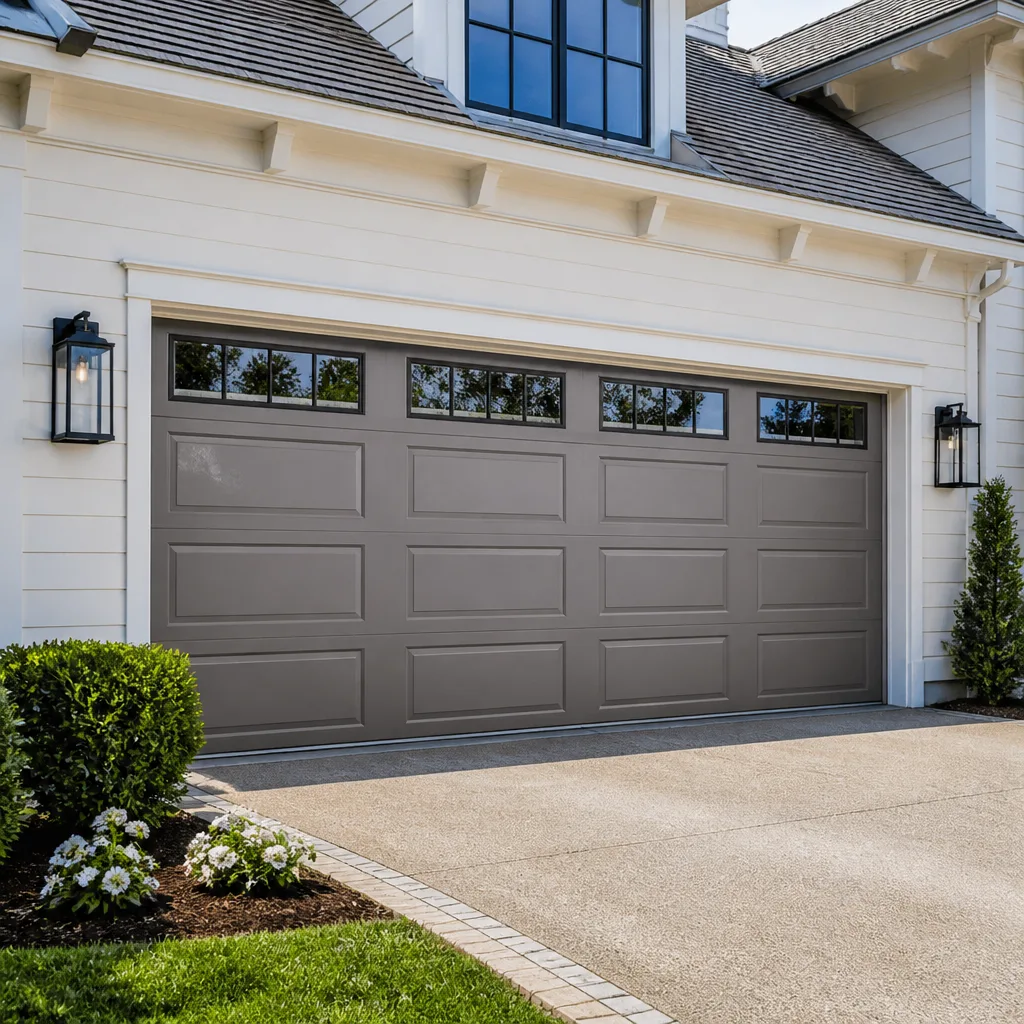 Raised-panel steel
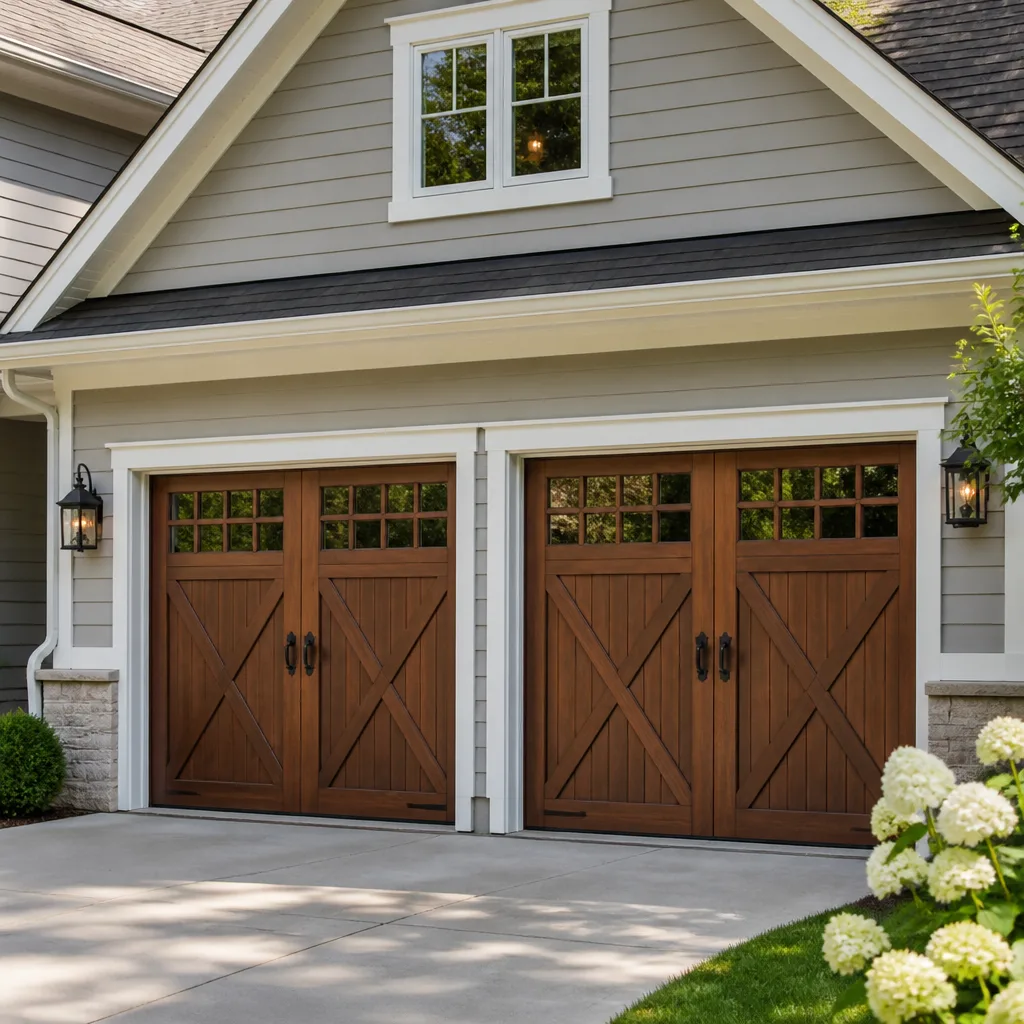 Carriage house
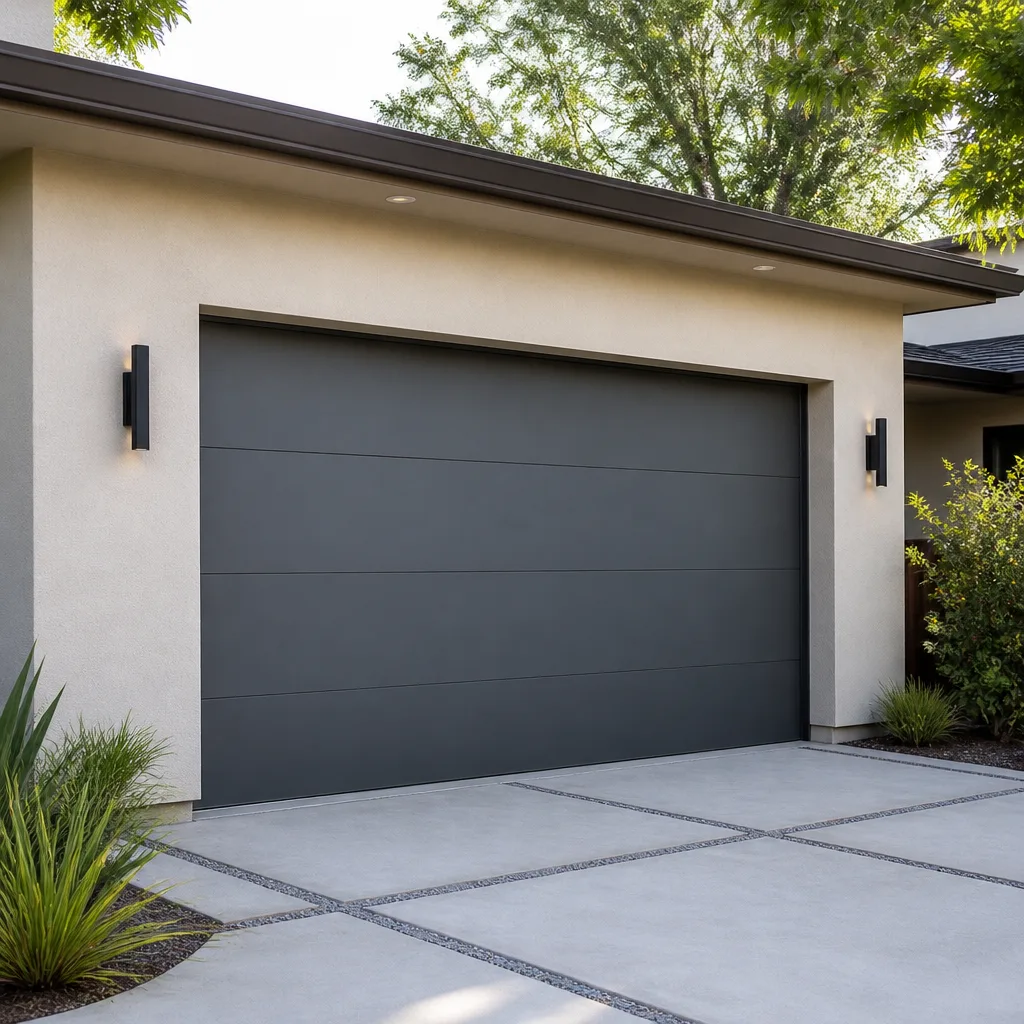 Modern flush
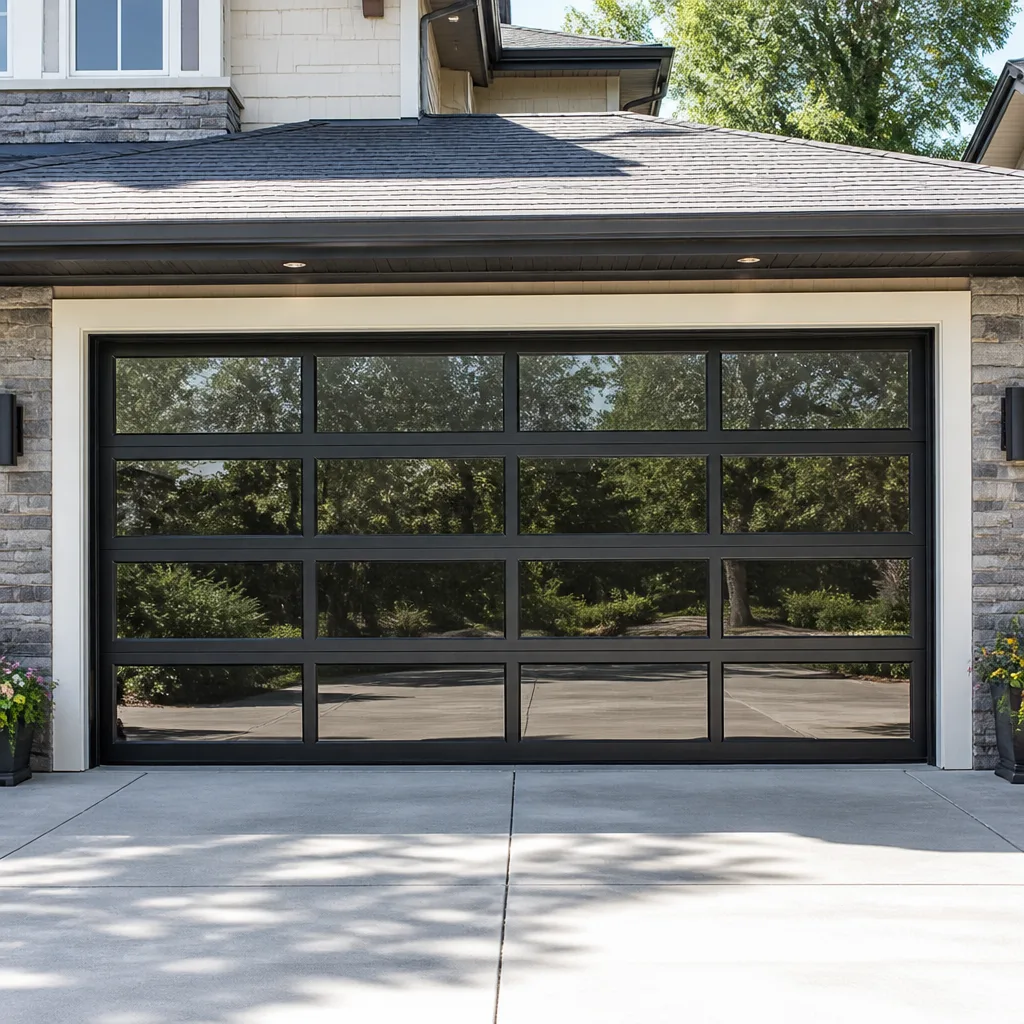 Full-view glass
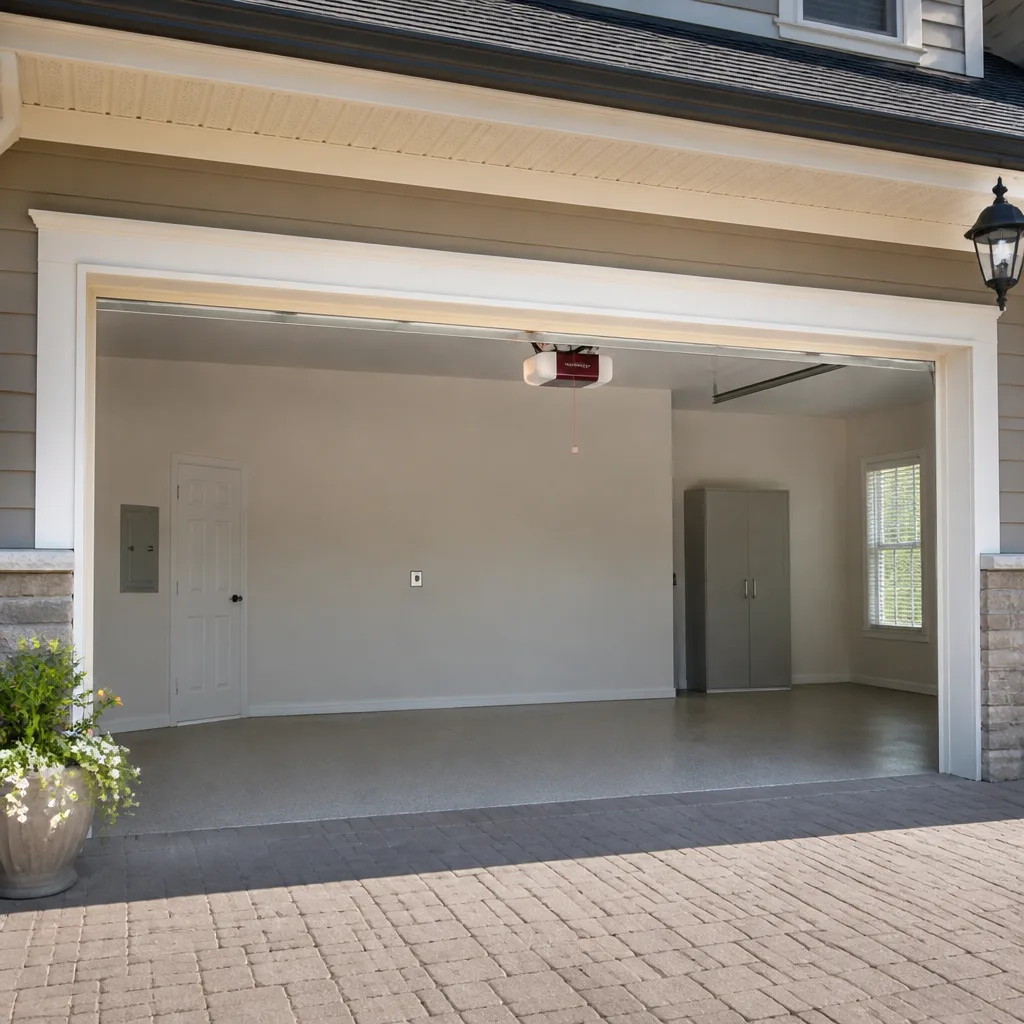 LiftMaster openers
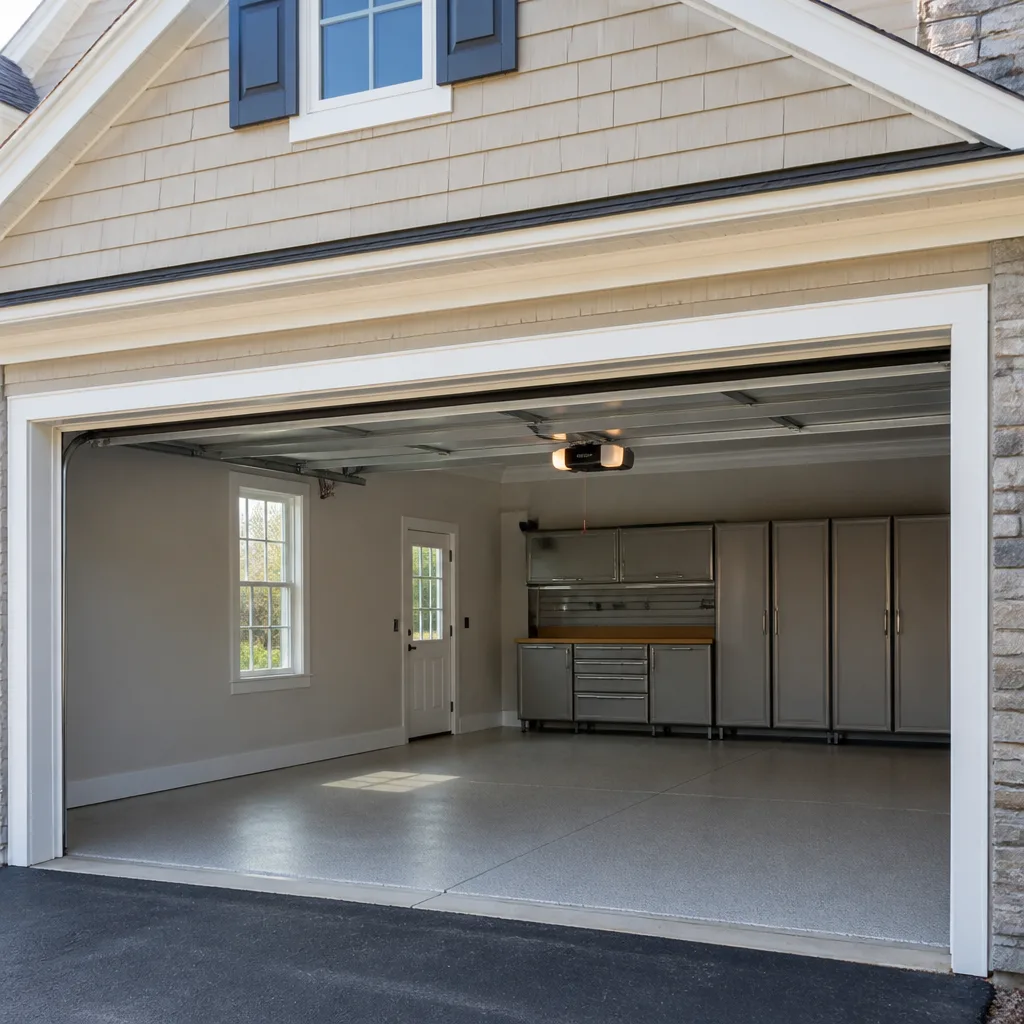 Chamberlain openers
Full 25-point door and opener safety check with every visit - springs, cables, rollers, tracks, and your LiftMaster or Chamberlain opener included
You get a price before we start. It does not change when the pro arrives.
Get your free estimateHow to Hire a Garage Door Contractor in Chico: A Step-by-Step Guide
Most homeowners hire a garage door contractor the way they’d hire a handyman: find a number, book a slot, hope for the best. That approach works fine for a sticking gate latch. It’s a poor fit for a 200-pound door under spring tension, where the wrong diagnosis turns a $200 repair into a $2,000 replacement.
The gap matters here because a lot of “garage door repair” calls in Chico end with a homeowner buying a brand-new door they didn’t need, from a technician who was really a salesperson. Knowing how to tell a repair specialist from a single-brand rep before anyone shows up saves real money. This guide walks you through the whole vetting process: license checks, the questions that expose a brand-locked shop, how to read a written estimate line by line, and the red flags specific to this trade. You’ll finish knowing exactly what to ask and what to walk away from.
Quick Answer
To hire a garage door contractor in Chico, verify a C-61/D28 specialty license through the California State License Board, get a written estimate that itemizes parts and labor separately, and confirm the company services multiple brands rather than steering every call toward one manufacturer’s product line. Ask directly whether they repair openers and whether they’ll quote a repair before recommending replacement. A contractor who answers those questions plainly, puts the price in writing, and offers to fix what’s fixable is the one to book.
Styles & brands we work with
- Raised-panel steel
- Carriage house
- Modern flush
- Full-view glass
- LiftMaster openers
- Chamberlain openers
Table of Contents
- Step 1: Verify the License Before You Book
- Step 2: Ask Questions That Reveal a Brand-Agnostic Shop
- Step 3: Read the Written Estimate Line by Line
- Step 4: Read Reviews the Right Way
- The Red Flags Unique to Garage Door Work
- Why Chico Homes Need Specific Attention
- What Brand Fluency Actually Means
- Frequently Asked Questions
Step 1: Verify the License Before You Book
Before a single appointment goes on the calendar, check that the contractor holds a valid C-61/D28 specialty license, which is the classification California uses for garage door installation and repair. You can look it up yourself through the CSLB’s online database in about two minutes.
The check takes three inputs: the business name, the license number, and the classification code. What you’re looking for is a license status that reads “active,” a classification that matches garage door work, and a name that matches the business you’re actually hiring. When a technician hands you an estimate with a license number printed on it, the number should resolve to the same company, not to a different entity entirely.
Why does this matter more than it does for other trades? Because garage door work involves high-tension springs and cables that can cause serious injury when handled by someone without proper training. A contractor without a specialty license isn’t just a paperwork problem. It’s a sign that the person doing the work may not know the specific safety procedures this equipment demands.
Two things to confirm during that same check:
- Insurance and bond status. The CSLB record shows whether a contractor carries a bond and workers’ compensation coverage. If a company has employees, workers’ comp matters: it protects you if someone is hurt on your property.
- Classification match. A general handyman license does not cover garage door work. The C-61/D28 classification is the one that applies.
Once you’ve confirmed the license is active and properly classified, keep the number somewhere you can find it. It’s the first thing to reference if a dispute comes up later over the work or the bill.
Step 2: Ask Questions That Reveal a Brand-Agnostic Shop
Here’s the core problem in this trade: some businesses that advertise “garage door repair” are really sales operations for a single manufacturer. Their technicians are trained to assess every door as a replacement opportunity, not a repair opportunity. The questions below expose that pattern fast.
“Do you service the brand of opener I have?” A multi-brand specialist will ask what model you have and answer based on that. A single-brand shop will either say they service only their line or will pivot immediately to recommending a new opener. The well-known residential opener brands – LiftMaster, Chamberlain, Genie, and Craftsman – should all be serviceable by a competent repair shop.
“Do you quote the repair and the replacement separately?” This is the most revealing question in the guide. A repair-first shop will give you a price for fixing what’s broken and, if replacement genuinely makes sense, a separate price for that. A sales-oriented operation will give you only the replacement number and present repair as a waste of money.
“Which door brands have you installed?” This one tells you whether the company has real installation experience across product lines. Brands like Amarr, Wayne Dalton, and Raynor all have distinct installation requirements, hinge patterns, and track systems. A technician who has only ever installed one brand will default to that brand regardless of whether it fits your opening or your budget.
“If I need a full replacement, can you walk me through the differences in insulation and durability?” This question separates a contractor who sells doors from one who understands them. A brand-agnostic installer can explain the real trade-offs between a builder-grade door and a premium line without steering you toward whatever happens to be in stock.
“Will the same company handle the repair, the opener, and any future installation?” When a single team covers all three services, you’re not handed off to a subcontractor who may have different standards. One call, one crew is the model to look for.
Our approach at Garage Door Repair Chico is to work on your brand rather than push ours. We handle repair, opener repair, and installation under the same roof, which means our technicians diagnose from knowledge of the specific system in front of them, not from a sales script. If the door can be fixed, we tell you so.
Step 3: Read the Written Estimate Line by Line
A legitimate written estimate for garage door work in Chico breaks out parts and labor separately. That separation isn’t a formality. It’s what lets you compare two quotes on equal footing and spot the line items that tend to disappear from lowball estimates until the invoice arrives.
Here’s what a proper estimate should include:
- Part numbers and brand names. Not “springs” but the actual spring specification. Not “opener board” but the model number. If you can’t verify the part is the right one for your door, you can’t verify the price.
- Labor hours and rate. Some companies price by the job rather than by the hour, which is fine, but they should still distinguish the labor component from the parts component.
- Disposal and haul-away. Old doors, broken springs, and dead openers don’t vanish on their own. This is a line item, and it should be listed.
- Number of springs. A spring price covers one spring. If your door has a matched pair, both usually get replaced together, and the estimate should say so explicitly rather than leave it for you to discover.
- The final price stated in writing. The written estimate is the price. That’s the standard to insist on before any work begins.
The line items that most often go missing in suspiciously low quotes are disposal, hardware and fasteners, and the second spring in a pair. A quote that leaves those out looks cheaper until the technician is standing in your garage with the old door already off the tracks.
When you request garage door repair in Chico, ask for the estimate in writing before anyone starts. We quote the price and agree on it before the work begins, so the number you approve is the number you pay. Estimates are free.
Step 4: Read Reviews the Right Way
Garage door reviews need to be read differently than restaurant reviews. One angry customer out of fifty is noise. A pattern of similar complaints across a dozen reviews is a systemic problem.
Here’s how to sort them:
- Read the negative reviews first, and read them for pattern. Is there a recurring theme of “technician pushed a full replacement when I came in asking for a repair”? Is there a cluster of “price quoted on the phone was not the price on the invoice”? Those are systemic signals, not one-off bad days.
- Look for reviews that name the specific repair done. A review saying “they fixed my opener in an hour and explained what went wrong” tells you more than “great service, highly recommend.” Specificity in reviews is a proxy for specificity in the work.
- Check whether the same complaint appears about multiple technicians. If one technician gets a complaint, it might be individual error. If five do, the company’s training or compensation model is likely the problem.
- Discount the glowing reviews that read like advertisements. Reviews full of exclamation points, brand names, and zero specifics are worth less than reviews with door model numbers, technician names, and a clear description of what was fixed.
- Note whether the company responds to complaints. A company that answers a negative review with a specific explanation or an offer to fix the issue is a company that cares about the outcome. A company that ignores them or writes defensive responses is telling you something.
For Chico specifically, look for reviews that reference local conditions: hot summers, dry air, doors that warp in the July heat. A company that has worked here long enough to mention those details in reviews is a company that has seen how this climate treats a garage door.
The Red Flags Unique to Garage Door Work
Every trade has its tells. In garage door work, the warning signs are specific and consistent. Here are the ones that should stop a job before it starts.
Same-day pressure to decide. If a technician tells you the door is unsafe and needs to be replaced today, that’s a pressure tactic. A door that’s actually unsafe gets the door blocked off and the replacement scheduled for a later date. It doesn’t get sold on the spot.
Refusal to quote parts separately. A contractor who won’t tell you what the spring costs, what the opener board costs, and what the labor costs is hiding margin. Refusing to itemize a quote is a signal that the total is inflated and the breakdown won’t stand up to comparison.
Vague labor descriptions. “Repair service” is not a line item. “Replace torsion spring, reset tension, test balance and safety reverse” is. If the labor line says nothing useful, the estimate isn’t real.
No mention of the second spring. Torsion springs are almost always replaced in pairs. A technician who quotes one spring on a door designed for two is either inexperienced or setting up a follow-up charge you didn’t plan for.
Unwillingness to name brands. A company that garage door opener repair customers call should be able to name the makes it services. Vague answers about “all major brands” without specifics are a warning sign, not a reassurance.
No license number on the estimate. California requires licensed contractors to include their license number on written bids and advertisements. If the estimate doesn’t have one, that’s a problem.
Quoting a repair without opening the door. A diagnosis from the driveway isn’t a diagnosis. A competent technician opens the door, runs it up and down, watches the tracks, listens to the opener, and checks the balance before quoting anything.
Why Chico Homes Need Specific Attention
Chico’s climate is mild in winter, which is good news for garage doors. The bigger issue here is summer heat and dry air, and both put specific stress on a door system.
Heat and dryness affect wood and composite doors by expanding and contracting them through the season. That movement can throw a door out of balance, bind the hinges, and place uneven load on the springs and opener. A door that ran smoothly in March may run heavy in August. Homeowners in the avenues and the older neighborhoods around downtown, where many doors have been in place long enough to have gone through dozens of these cycles, tend to notice this most.
What that means for hiring:
- Ask whether the contractor will check door balance during the estimate. A door that’s out of balance wears out the opener faster and puts uneven strain on the springs. Balance is part of a proper check, not an add-on.
- Ask about opener belt and screw drive wear. Heat and age affect the drive components on LiftMaster, Chamberlain, Genie, and Craftsman openers differently. A technician who knows the drive system knows what to look for.
- Ask about insulation if you’re replacing. A garage on the west side of a Chico home can get brutally hot in July. Insulated doors from Amarr or Clopay make a real difference in how livable the space above the garage stays.
- Don’t assume a repair is needed when the door is just stiff. Sometimes the door needs adjustment and lubrication, not new springs. A contractor who confirms that first is the one you want.
One safety note for anyone tempted to investigate the door themselves: the cables and springs on a garage door are under high tension, and a spring that releases while you’re near it can cause serious injury. Leave the adjustment and replacement to a trained technician. That’s not a sales pitch; it’s the one part of this job you shouldn’t test your skills on.
What Brand Fluency Actually Means
Brand fluency is an easy claim to make and a hard one to verify. Here’s how to tell a technician who genuinely knows the equipment from one who has memorized a few names.
Ask a specific question about a specific system. For openers, ask how a Chamberlain belt drive differs from a Genie screw drive in terms of noise and maintenance. For doors, ask what changes in the installation when you move from a builder-grade panel to a Wayne Dalton or Raynor model with heavier gauge steel. A brand-fluent technician answers with specifics about the mechanism, not adjectives about quality.
Why does this matter to your wallet? Because a technician who diagnoses by knowledge recommends the right part the first time. A technician who guesses orders a part, installs it, finds it doesn’t fix the problem, and orders another one. You pay for both.
Here’s what a multi-brand specialist brings to a Chico job:
- Repair-first judgment. A company that services many brands has no incentive to steer you toward one manufacturer’s new product. The recommendation follows the diagnosis.
- Opener repair capability. LiftMaster, Chamberlain, Genie, and Craftsman cover the great majority of residential openers. A shop that services all four can often repair a board or a gear rather than selling a whole new unit.
- Installation options at every budget. Companies that install across builder-grade and premium lines can offer real choices on curb appeal, insulation, and durability instead of whatever’s in stock.
- Right part, right fit. Brand-matched parts and proper installation standards mean the door works the way it was designed to, not the way it works when a generic part is forced to fit.
Our technicians have up to 11 years of experience, and they work across eight brands: LiftMaster, Chamberlain, Genie, Clopay, Amarr, Wayne Dalton, Craftsman, and Raynor. We’re not a dealer for any of them. We repair what’s broken, and when replacement is the right call, we walk you through the options honestly.
Common Mistakes to Avoid
- Hiring on price alone without reading the estimate. The cheapest quote often omits disposal, hardware, or the second spring. Compare on the full scope, not the bottom line.
- Accepting a replacement recommendation without a second opinion. If a technician tells you the door is beyond repair, get one more quote before you sign. Repair-first contractors exist, and their diagnosis may be different.
- Skipping the CSLB check because the technician seemed nice. Likability has nothing to do with licensing. Look up the C-61/D28 license before the appointment, not after.
- Letting a technician start work without a written estimate. Verbal quotes are not binding, and they’re not a basis for comparison. Ask for it in writing, with parts and labor broken out.
- Ignoring balance and safety-reverse checks. A door that closes but doesn’t reverse properly is a safety problem. Make sure those checks are part of the service, not an extra charge.
- Assuming a single-brand shop is a repair shop. Plenty of “garage door repair” listings are sales operations. Ask about multiple brands before you book.
- Trying to adjust springs yourself. High-tension springs and cables are dangerous. This is the one part of the job that belongs to a trained technician, full stop.
See the difference
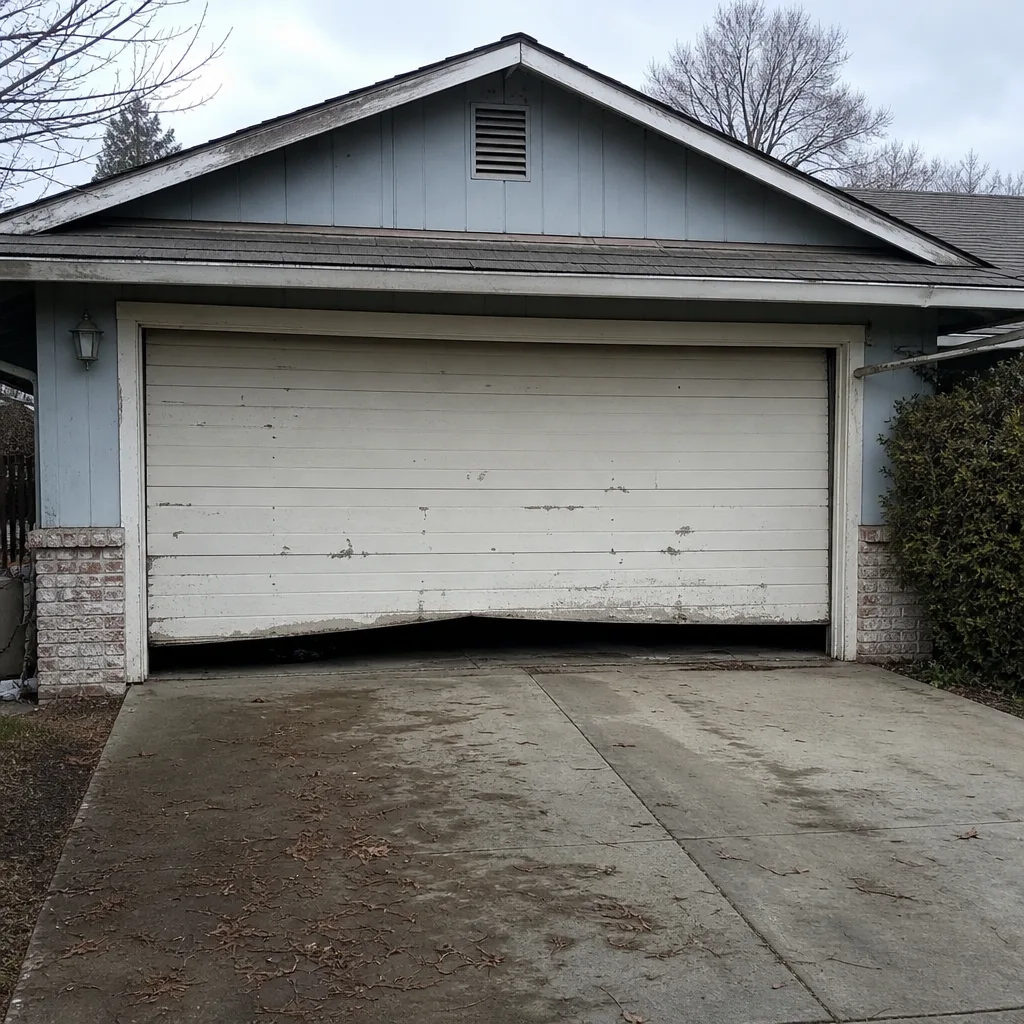 Before
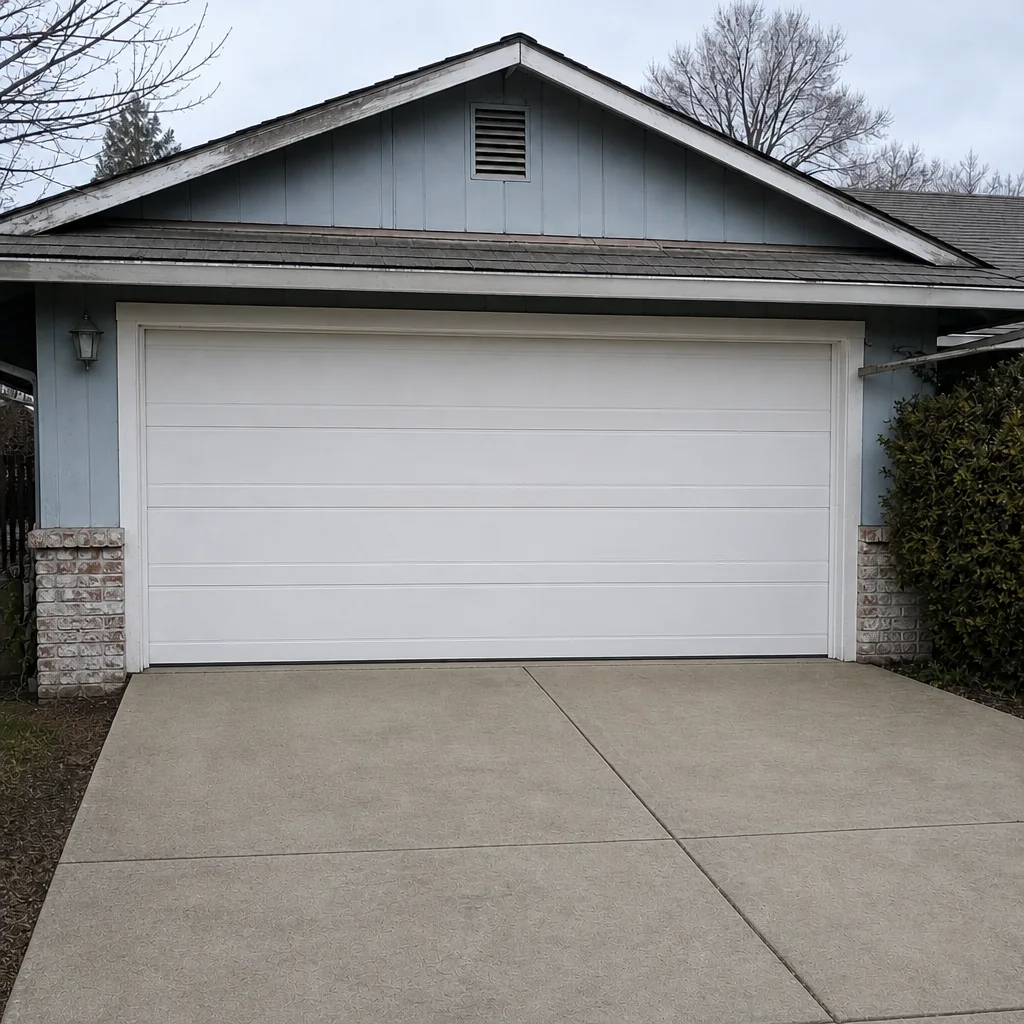 After
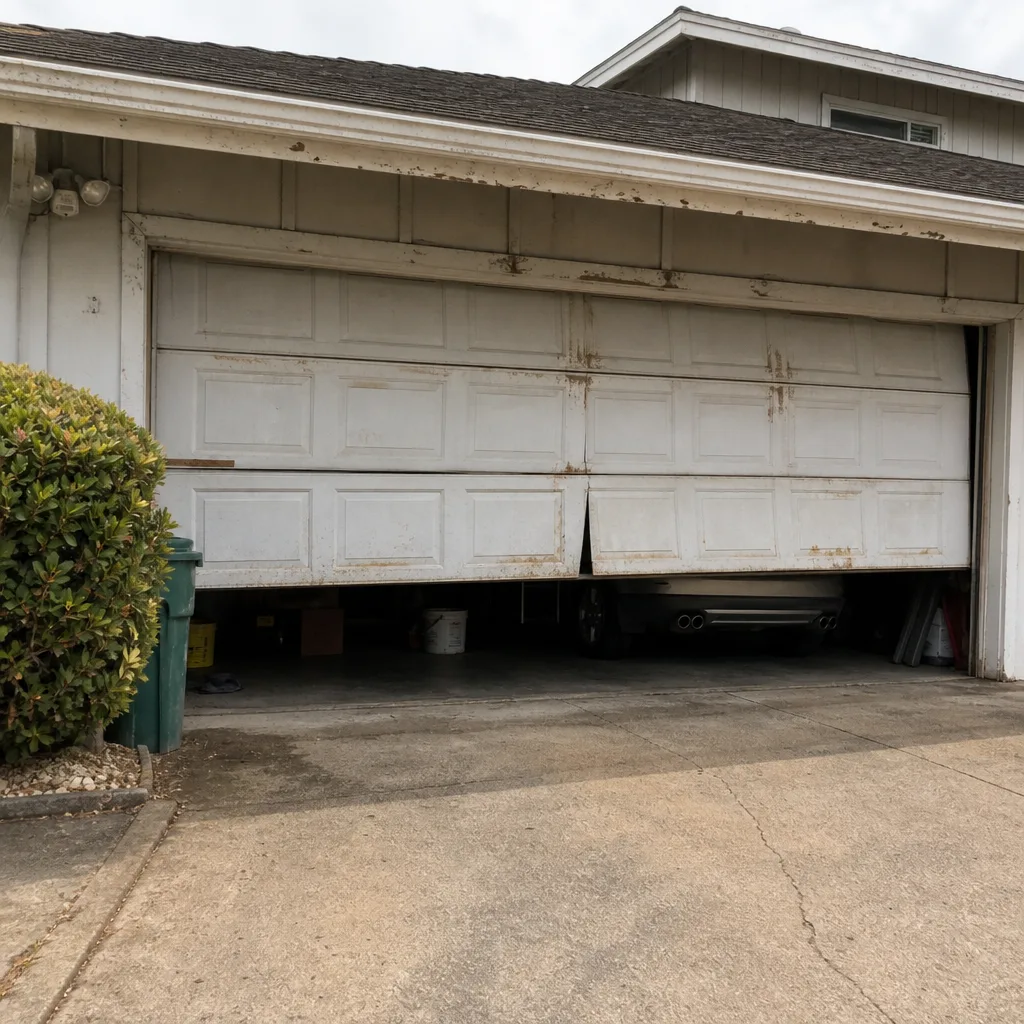 Before
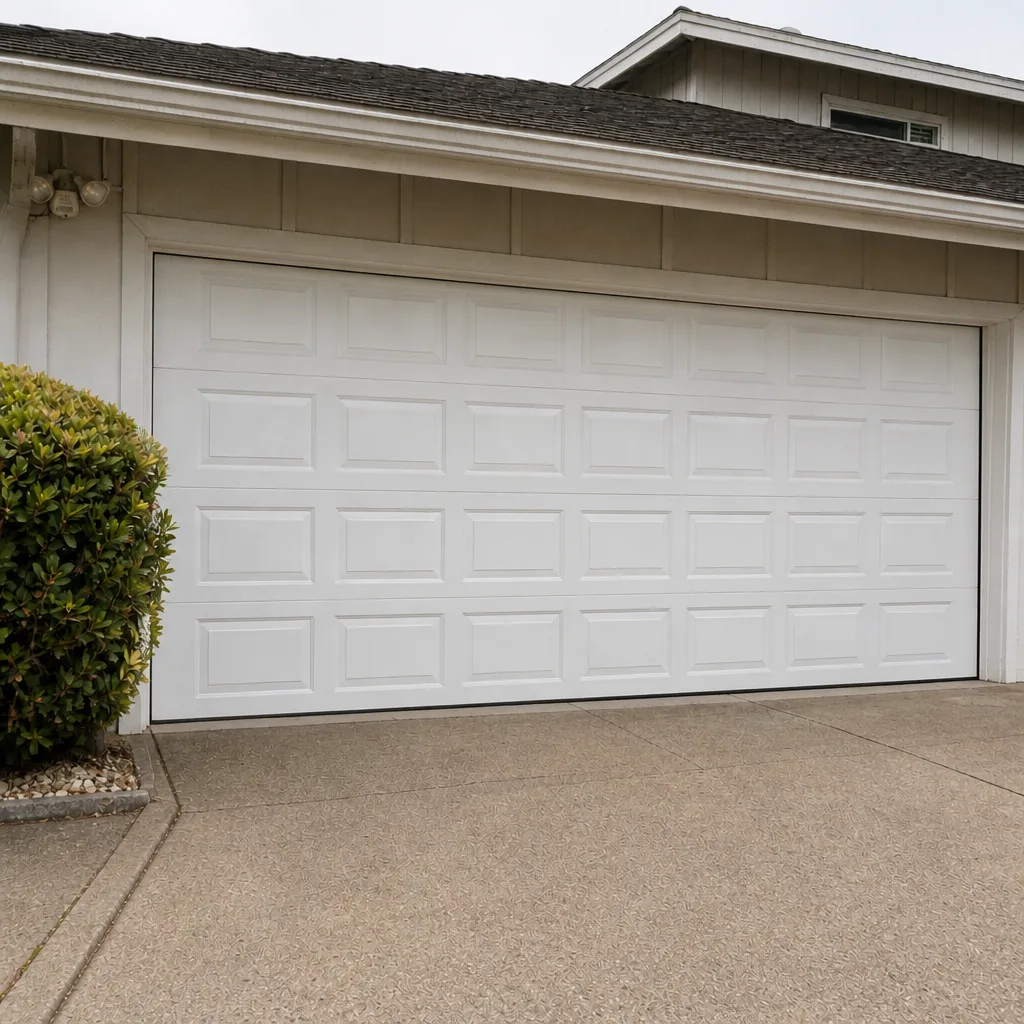 After
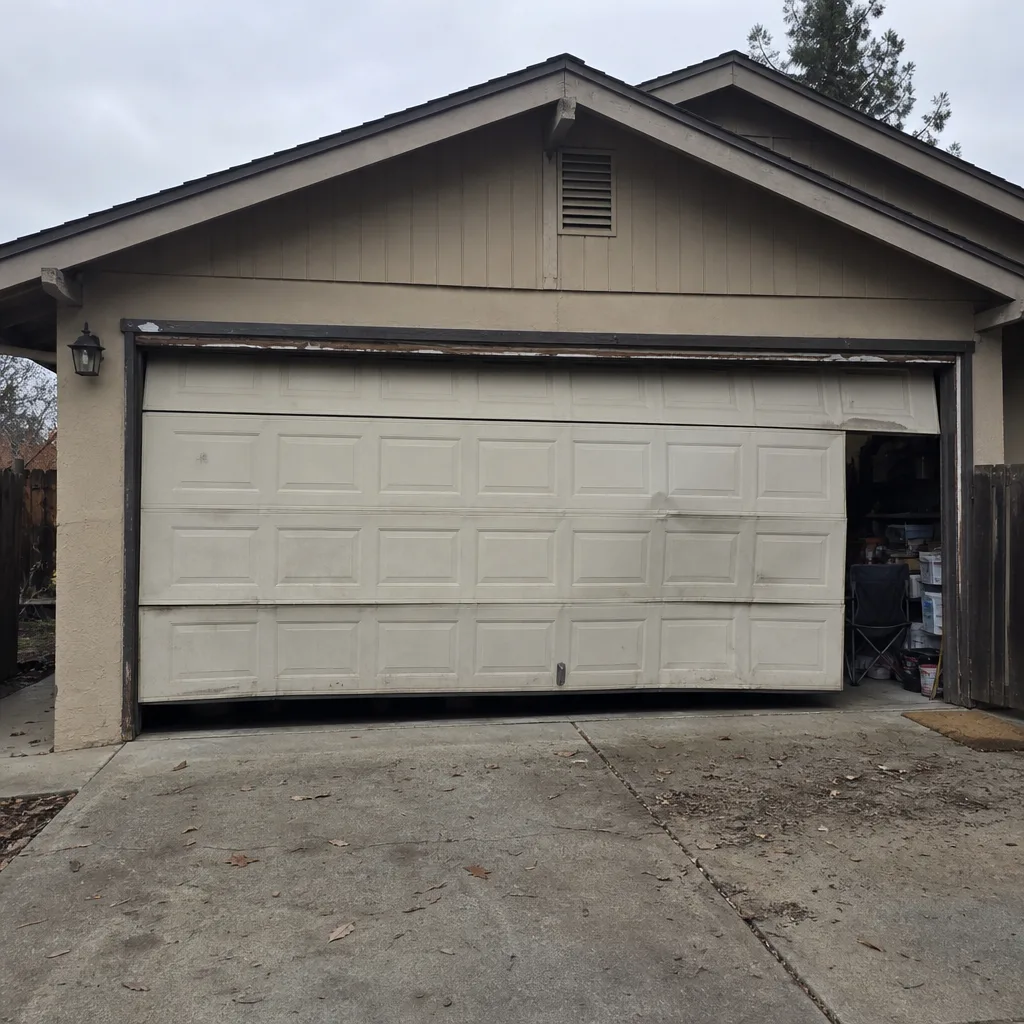 Before
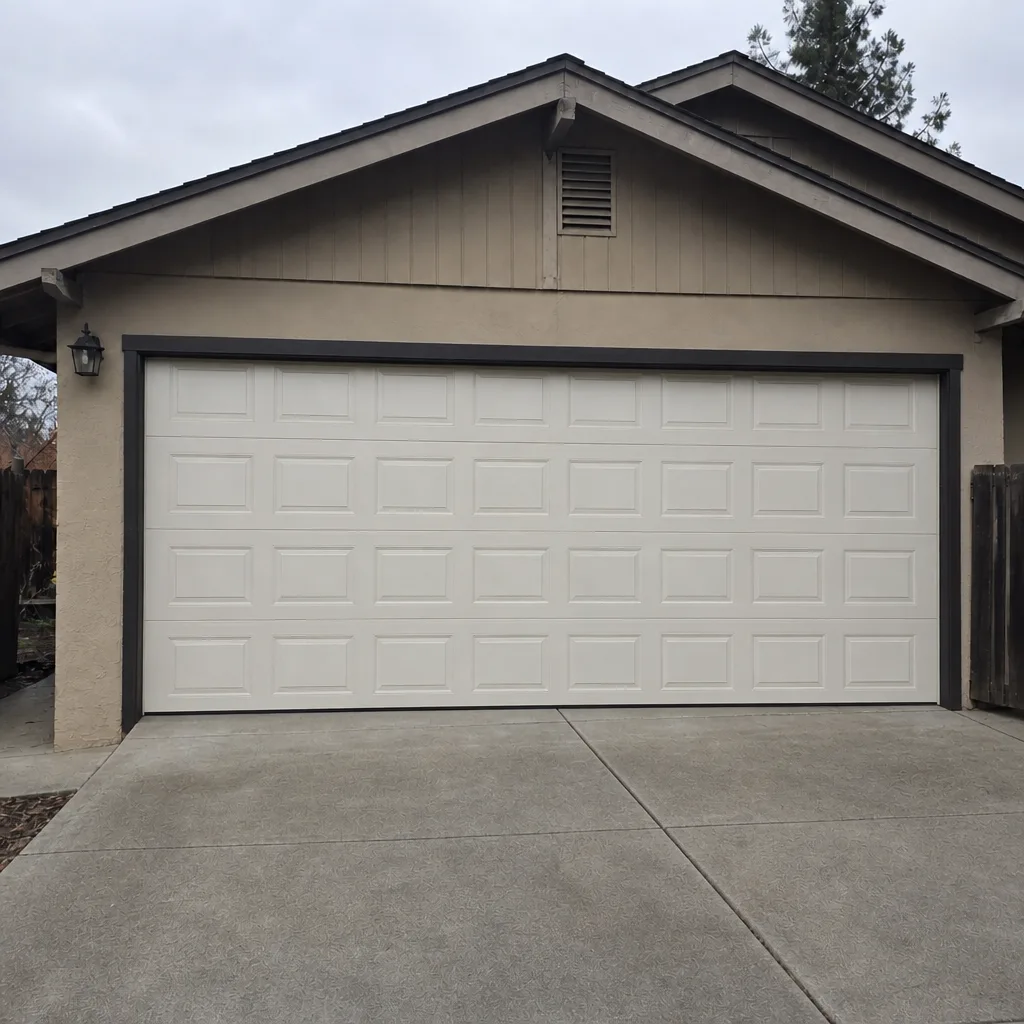 After
When to Call a Professional
Some garage door issues are genuinely DIY: a remote that needs new batteries, a track that has a loose bolt, a photo-eye that got bumped out of alignment. Most aren’t. Call a professional when the door comes off its tracks, when a spring breaks (you’ll hear it), when the opener runs but the door doesn’t move, when the door reverses partway down, or when it’s visibly out of balance and running heavy on one side. Any work involving springs, cables, or opener electrical components should go to a licensed technician. The same goes for a full replacement: measuring, ordering, and installing a door is a job for someone who does it regularly.
Garage Door Repair Chico offers free estimates in Chico. Call (833) 946-9124. We answer 24/7. Fast dispatch from 7am to 7pm, Sunday through Friday. Same-day service is often available for repairs.
Frequently Asked Questions
Look up the contractor’s C-61/D28 specialty license through the California State License Board’s online database using the business name or license number. Confirm the status reads active, the classification matches garage door work, and the name on the record matches the company you’re hiring. If the license number isn’t on the written estimate, ask for it before booking.
A proper estimate itemizes parts and labor separately, lists specific part numbers and brand names, includes disposal and haul-away as a line item, and states the final price in writing. For spring replacement, it should say whether it covers one spring or a matched pair. The written estimate is the price you pay, so it should be detailed enough to compare against another quote. Call (833) 946-9124 for a free estimate.
Ask which brands they service and whether they’ll quote a repair and a replacement separately. A brand-agnostic shop answers both directly and offers to fix the door if it’s fixable. A single-brand shop tends to pivot to replacement and steers toward one manufacturer’s product line. Their written estimate will usually name only one brand across every option.
Pricing varies by the specific repair, the parts needed, and the door system, so the only reliable number is a written estimate for your door. What you can control is the process: get the quote in writing, broken out by parts and labor, and confirm the price before work begins. Estimates are free. Call (833) 946-9124 for an exact quote.
Often, yes. LiftMaster, Chamberlain, Genie, and Craftsman openers can frequently be repaired by replacing a logic board, gear, or drive component rather than the entire unit. Whether repair makes sense depends on the age and model of the opener and what’s actually failing. A technician who knows the drive system can usually tell you within the first visit.
Ask for the C-61/D28 license number and confirm it through the CSLB before booking any contractor. That record also shows bond and workers’ compensation status. If a company can’t provide a license number, don’t book the job. Call (833) 946-9124 to request license details and a free estimate.
And on the question of timing: same-day repair is often possible, and fast dispatch from 7am to 7pm, Sunday through Friday, means you’re not waiting days for a callback. We answer 24/7.
The Bottom Line
Hiring a garage door contractor in Chico is a technical vetting job, not a popularity contest. Verify the C-61/D28 license through the CSLB. Ask the questions that reveal whether a shop is brand-agnostic or pushing a single product line. Insist on a written estimate with parts and labor broken out, including disposal and the full spring count. Read reviews for pattern, not for tone. And walk away from same-day pressure, vague labor lines, and refusal to itemize.
The right contractor diagnoses by knowledge, quotes before starting, and fixes what’s fixable. That’s the standard to hold every company to, ours included.
Call (833) 946-9124 for a free estimate. We answer 24/7. Fast dispatch from 7am to 7pm, Sunday through Friday. Closed Saturday.
Written by the team at Garage Door Repair Chico.