
Last updated November 15, 2026
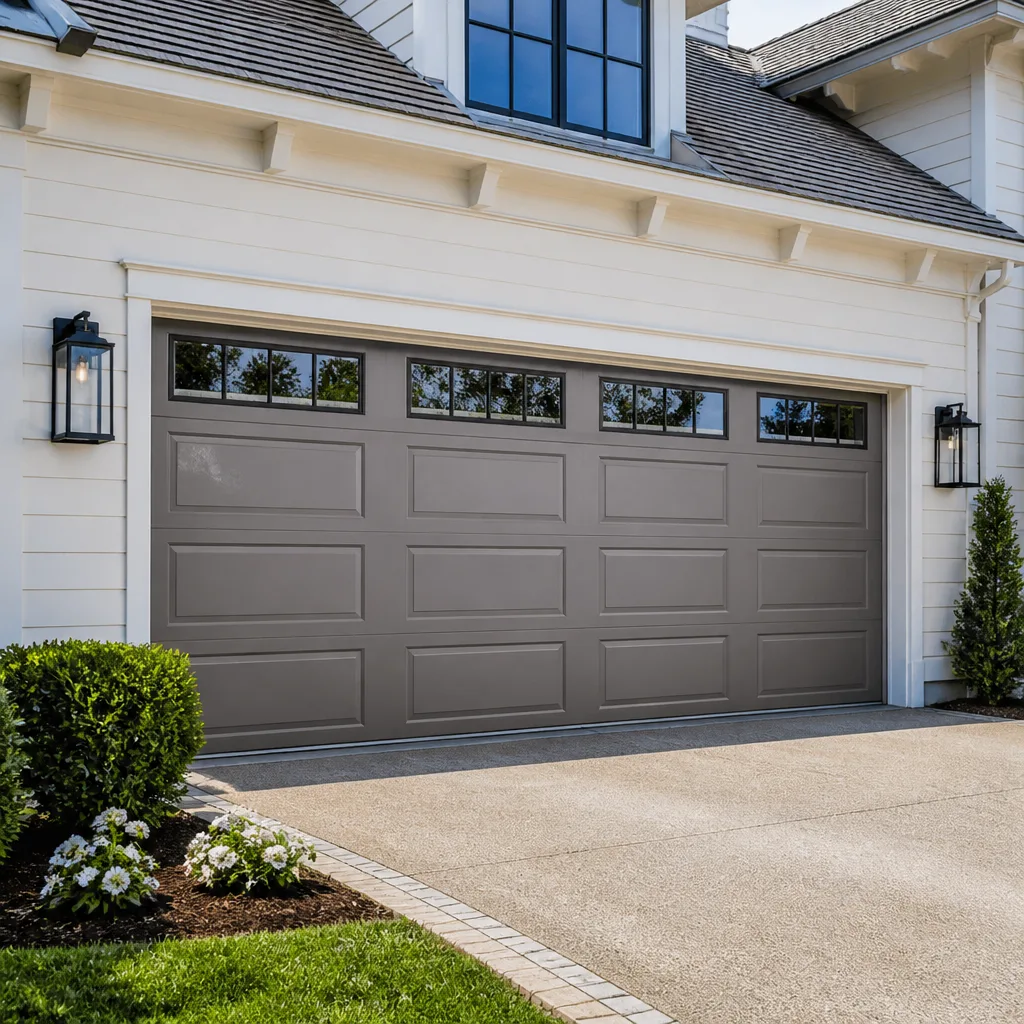 Raised-panel steel
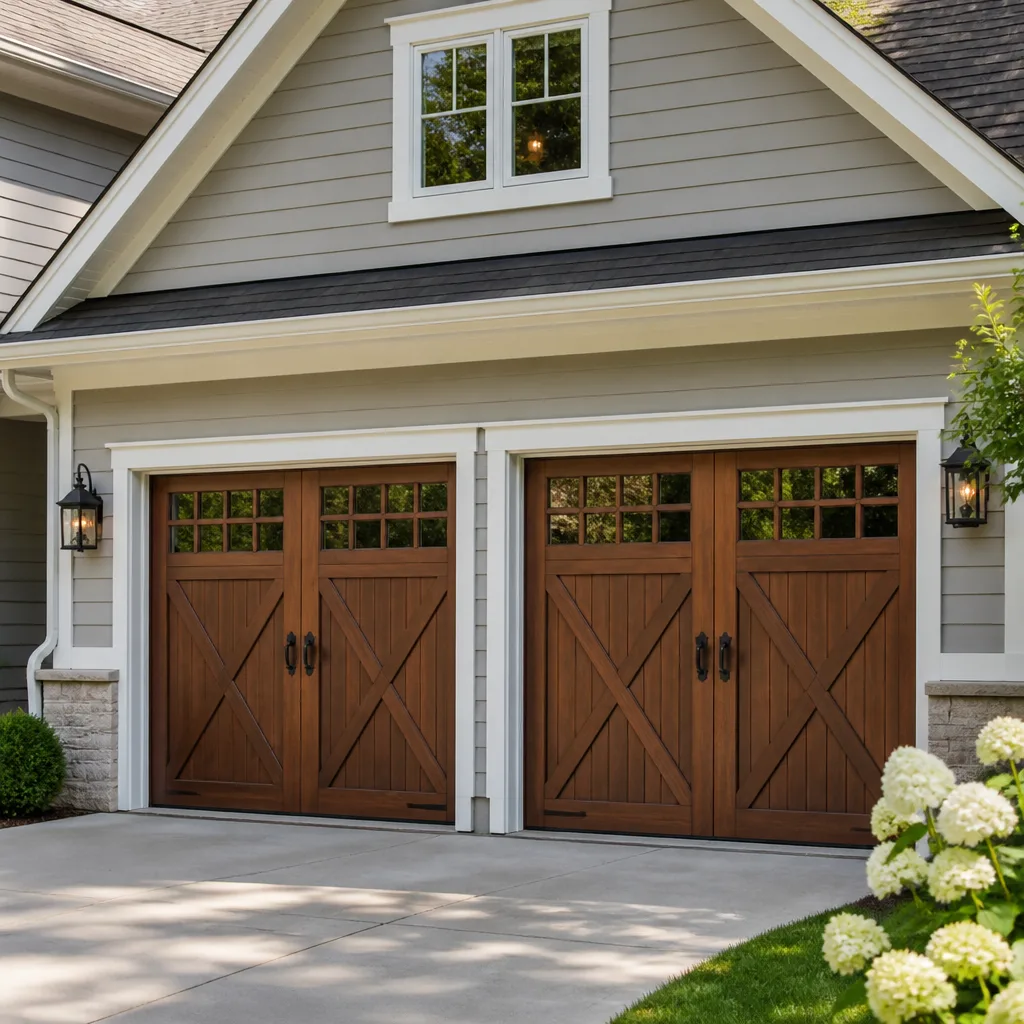 Carriage house
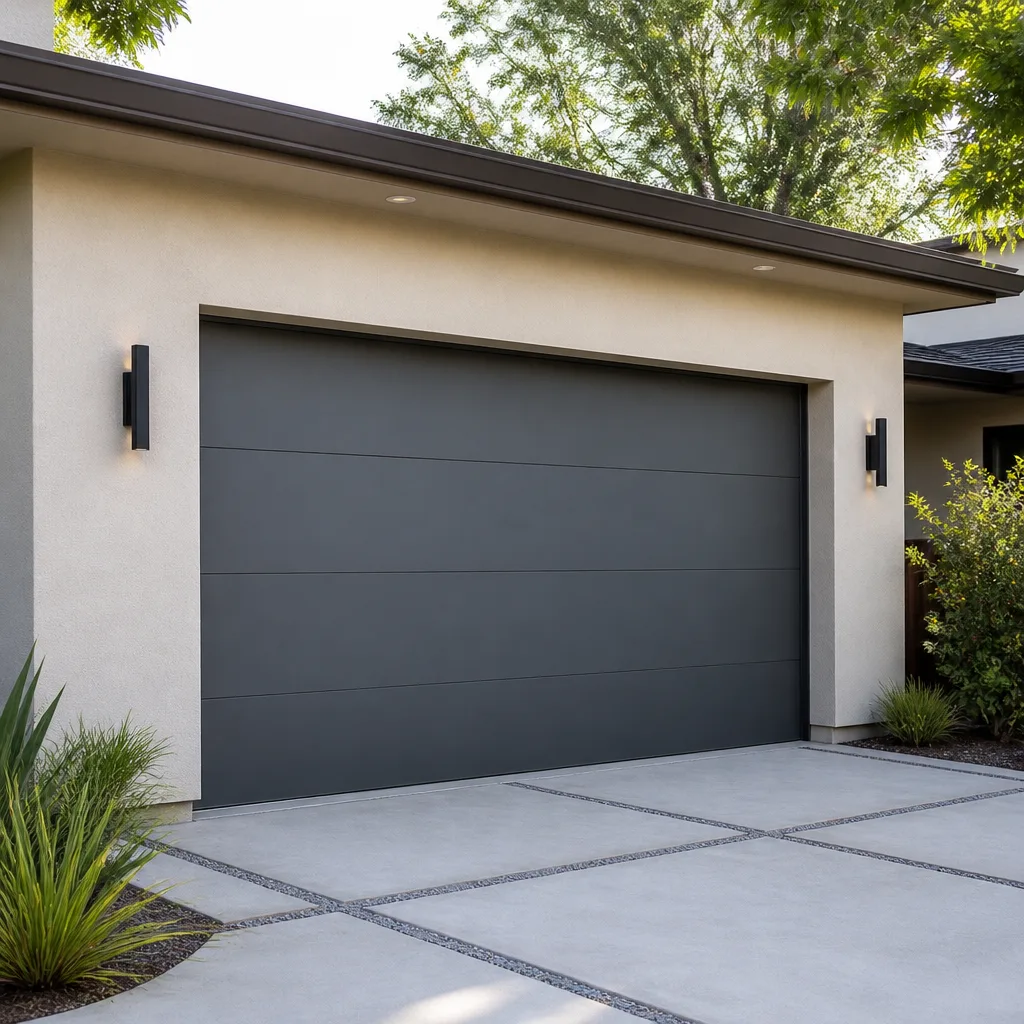 Modern flush
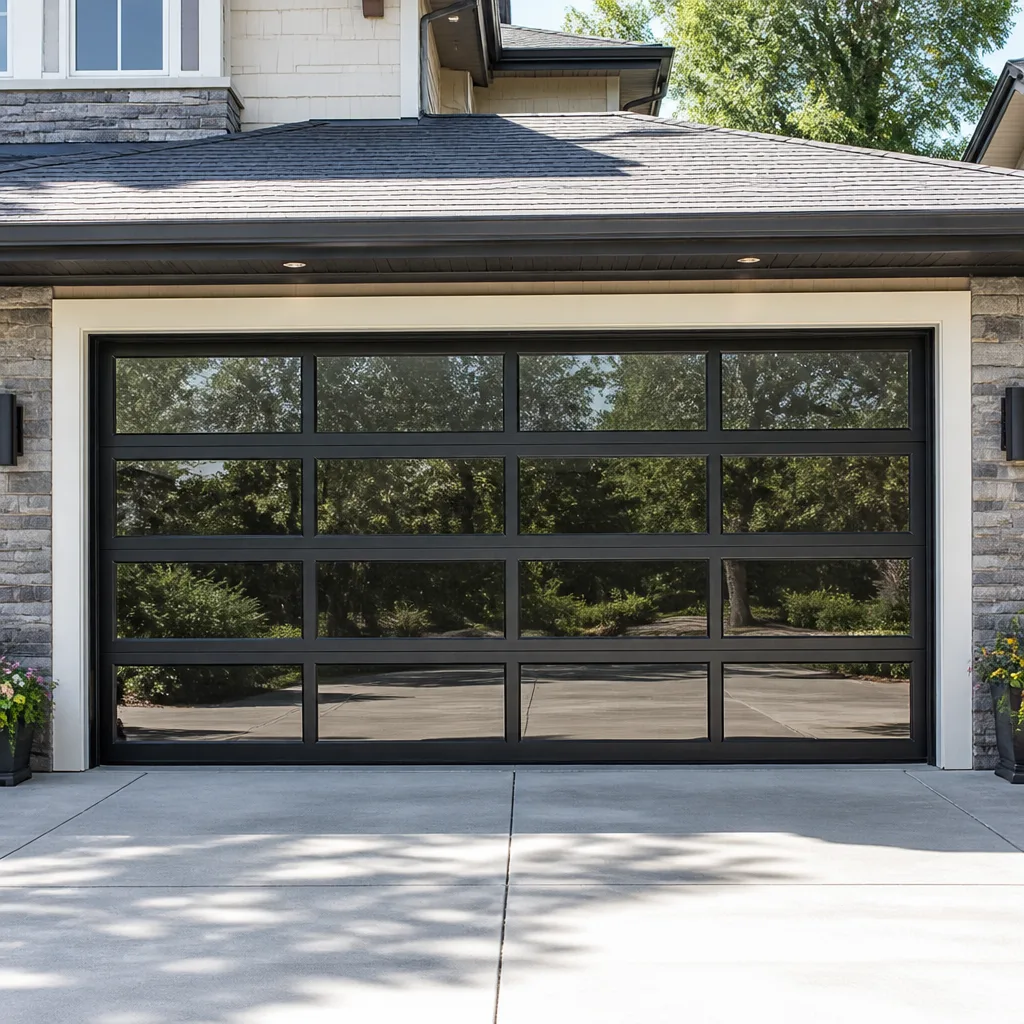 Full-view glass
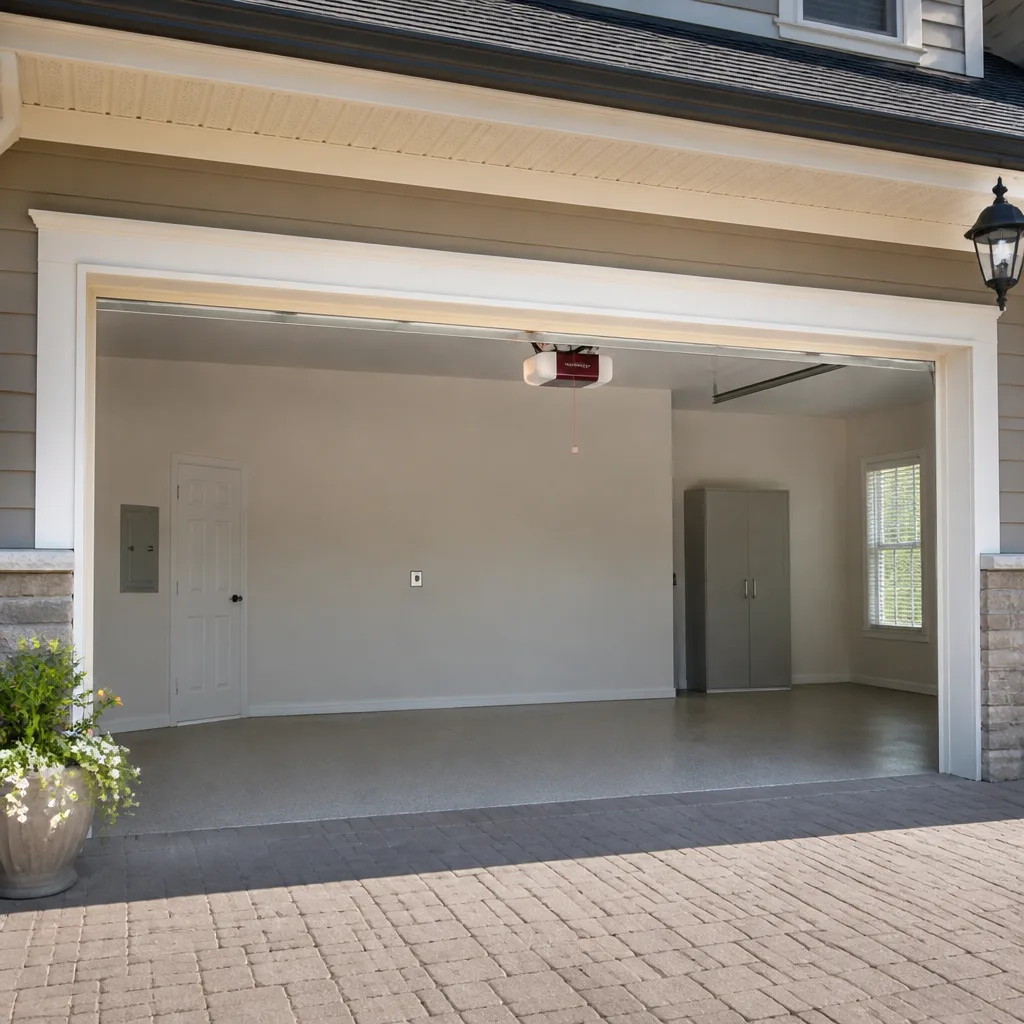 LiftMaster openers
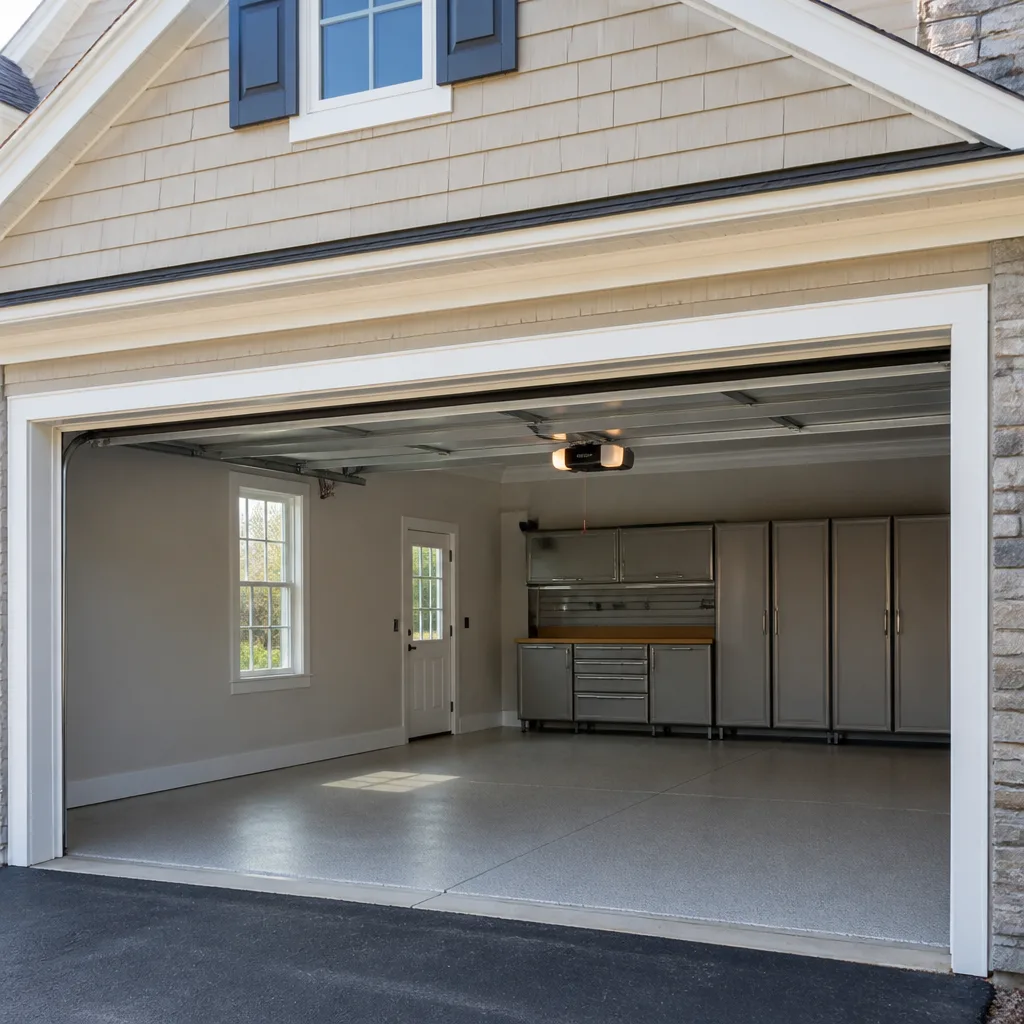 Chamberlain openers
Full 25-point door and opener safety check with every visit - springs, cables, rollers, tracks, and your LiftMaster or Chamberlain opener included
You get a price before we start. It does not change when the pro arrives.
Get your free estimateSeasonal Garage Door Care for Chico: Year-Round Homeowner’s Guide
If you’re doing your garage door maintenance in spring and fall like every generic guide says, you’re already behind in Chico. By the time April arrives, your springs have already been through the worst temperature differential of the year. Chico doesn’t run on four equal seasons. It runs on a long, punishing summer, a mild but wet winter, and two short shoulder windows that are the only real maintenance opportunities on the calendar. This guide maps garage door care to that calendar, not to the Midwest schedule most advice is written for. You’ll learn what to check and when, how heat and wildfire season stress each component, and why manufacturer spring ratings don’t translate cleanly to valley conditions.
Styles & brands we work with
- Raised-panel steel
- Carriage house
- Modern flush
- Full-view glass
- LiftMaster openers
- Chamberlain openers
Quick Answer
The best times to service a garage door in Chico are the two shoulder periods: March through April before the heat sets in, and October through November after fire season and before the rain. Prioritize spring balance and opener electronics in the pre-summer window, seals and hardware after fire season, and bottom seals and drainage before winter rain. Lubrication and a visual check belong in every season.
Table of Contents
- Why Chico’s Climate Calendar Isn’t the Standard One
- Pre-Summer Prep (March to April): The Most Important Window
- Summer Operation (May to September): Heat Above 100°F
- Post-Fire-Season Inspection (October): Ash, Debris, and Seals
- Winter Wet-Season Prep (November to December)
- How Chico Heat Changes Component Lifespan
- The Full Seasonal Checklist at a Glance
- Common Mistakes to Avoid
- When to Call a Professional
Why Chico’s Climate Calendar Isn’t the Standard One
Most garage door maintenance advice is written for places with a hard freeze and a humid summer. Chico has neither. What it has is sustained summer heat that regularly climbs past 100°F, a winter that’s cool and wet but rarely freezing, and a fire season that fills the air with ash for weeks. Those three conditions stress a garage door in completely different ways than frost or humidity do, and they hit on a different schedule.
The practical result is that the two shoulder seasons carry almost all the maintenance weight. Spring and fall advice still applies in a general sense, but the specific tasks are different. In Chico, the March-to-April window is about getting ahead of heat. The October-to-November window is about cleaning up after fire season and bracing for rain. Miss either one and you’re doing reactive repairs instead of preventive care.
Temperature swing matters as much as peak temperature. A Chico summer day that tops 100°F and a night that drops into the 60s puts the door through a wide daily cycle. Steel panels, springs, and opener housings all expand and contract on that rhythm, every day, for months. That’s the stress most generic guides never account for, and it’s the reason the pre-summer window matters so much here.
If you ever need help translating this calendar into an actual service visit, our Garage Door Repair Chico page covers the full scope of what we handle, from tune-ups to full replacements.
Pre-Summer Prep (March to April): The Most Important Window
March and April are the highest-value maintenance weeks on the Chico calendar. The weather is mild, the door hasn’t yet been through months of heat cycling, and any adjustment you make now will hold through the summer. Wait until June and you’re correcting problems the heat has already amplified.
Prioritize in this order:
- Spring balance and tension check. Open the door halfway by hand and let go. A balanced door should hold roughly in place. If it drops or rises on its own, the springs are out of adjustment or nearing the end of their cycle life, and that’s a job for a trained technician. High-tension springs can cause serious injury, so this is a check-and-call, not a do-it-yourself fix.
- Opener force and travel settings. Heat makes a door bind slightly, and an opener that’s already near its force limit will start reversing or stalling in July. On a LiftMaster or Chamberlain unit, test the auto-reverse by placing a small board in the door’s path. If it doesn’t reverse cleanly, the opener needs adjustment now, not later.
- Roller and hinge lubrication. A silicone-based lubricant on rollers, hinges, and the torsion bar keeps the door moving freely when heat thickens old grease. Do this before the first hot stretch.
- Weather seal inspection. Look at the bottom seal and the perimeter seals for cracks or gaps. Spring is the right time to replace a worn bottom seal, before the dry season hardens it further.
- Track alignment. Wipe down the tracks and check for bends or debris. A track that’s slightly out of line in April will bind badly by August.
This is also the window where we see the most avoidable breakdowns. A spring that’s already fatigued in March will usually fail in the heat of July, and a homeowner who catches it in April spends far less than one whose door comes down unexpectedly in mid-summer. Our garage door repair team can inspect and adjust the whole system in one visit so you’re not chasing problems piecemeal through the summer.
Summer Operation (May to September): Heat Above 100°F
Sustained heat above 100°F does three things to a garage door system. It stresses the opener’s electronics, it works the springs harder than the manufacturer’s test conditions did, and it puts the door panels through daily expansion and contraction. Each of those has a specific symptom to watch for.
Opener electronics
Most residential openers, including Genie and Craftsman units, are rated for operation in hot garages, but the logic board and motor capacitor are the parts most sensitive to prolonged heat. Symptoms show up as intermittent operation, a remote that works sometimes, or a door that stops partway and reverses. If the opener is misbehaving only on hot afternoons, the heat is likely the trigger. Our garage door opener repair service covers diagnosis across the most common drive systems, and often the fix is a component replacement rather than a whole new unit.
Spring tension
Torsion and extension springs lose tension as they heat, which makes the door feel heavier and forces the opener to work harder. A door that felt fine in April can feel sluggish by July. That extra load accelerates spring wear and puts stress on the opener’s gear and rail. This is exactly why the pre-summer check matters: a spring that’s properly tensioned in spring has less to lose in summer.
Panel integrity
Steel and aluminum panels expand in heat. On a door with tight tolerances, that can cause panels to bind against each other or against the track. If you hear popping or creaking on hot days, the panels are moving. Lubricating hinges and checking that the panels have room to shift is usually enough to quiet it.
During the peak summer months, keep the garage ventilated where you can. A garage that traps heat will run hotter than the outside air, and that’s the environment the opener and springs live in.
Post-Fire-Season Inspection (October): Ash, Debris, and Seals
By October, Chico garages have usually been through weeks of smoke and ash. That ash doesn’t just sit on the roof. It works into the door’s moving parts, settles in the tracks, and gets into the bottom seal. A post-fire-season inspection is about clearing that out before it causes wear or before the first rain turns it into grit that grinds.
What to check in October:
- Tracks. Ash mixed with lubricant forms a paste that attracts grit. Wipe the tracks clean and re-lubricate lightly.
- Bottom seal and perimeter seals. Ash and heat together harden rubber. Run a hand along the bottom seal; if it’s stiff or cracked, it won’t seal against rain or keep out debris. Replace it now, before the wet season.
- Rollers and hinges. Ash infiltration in the hinges is a common cause of squealing and stiff operation. A clean and re-lube fixes most of it.
- Panel surfaces. Ash is mildly abrasive. Washing the door panels with mild soap and water removes it and lets you see any damage underneath. Check for dents or impact marks while you’re at it.
- Opener housing and vents. Ash can clog the vents on an opener housing. A soft brush or compressed air clears them.
This is also the right time to test the safety reverse on the opener again, since summer use and any accumulated grit may have shifted the force settings. If anything feels off, a technician can get it back to spec in one visit.
Homeowners in neighborhoods closer to the foothills tend to see more ash accumulation, but the October inspection is worth doing across Chico regardless of where you are.
Winter Wet-Season Prep (November to December)
Chico’s winters are mild compared to most of the country, but they’re wet. The rain is the main concern, not cold. Water that gets into the garage, either through a failed bottom seal or from poor drainage around the door, does more damage than any freeze would. The November-to-December prep window is about keeping that water out and keeping the hardware from rusting.
Drainage
Walk the outside of the garage door and check that the ground slopes away from the threshold. Standing water at the door is the fastest route to a rotted bottom seal and a damp garage. If the slab or driveway pitches toward the door, a threshold seal or a small drainage correction is worth doing before the heavy rain.
Bottom seal condition
The bottom seal is the primary barrier against water. If it’s cracked, flattened, or pulling away at the ends, it’s already letting water in. Replacing a bottom seal is a straightforward job and one of the highest-value winter prep tasks.
Rust prevention on hardware
Metal hardware, hinges, and roller stems will rust in a damp garage over a wet winter. A light coat of lubricant on the hinges and a check for any rust starting on the tracks slows it down. If you see rust on the track, clean it and re-lubricate before it spreads.
Opener and electrical check
Check that the opener’s wiring and the safety sensor’s alignment haven’t been disturbed by wind or rain. If the sensor lens is fogged or dirty, the door may refuse to close on damp mornings. Wiping the sensor lenses is a quick fix that prevents a lot of frustration.
If your door has been through a few winters and the bottom seal hasn’t been replaced recently, this is the season to do it. Our Chico service team can check the seals, drainage, and hardware all in one visit.
How Chico Heat Changes Component Lifespan
Manufacturer spring ratings are usually expressed in cycles, and those cycles are tested under controlled conditions. Chico’s reality is a long hot season with wide daily temperature swings, and that environment doesn’t match the test bench. A spring rated for a certain number of cycles under moderate conditions will typically reach the end of its useful life faster in sustained valley heat.
What that means in practice:
- Springs age faster in Chico than the rating suggests. Treat the manufacturer’s cycle count as an ideal, not a schedule. If a spring has been in service through several summers and the door is getting harder to lift, it’s worth having it checked rather than waiting for it to fail.
- Openers see more thermal stress. Electronics in a garage that regularly hits triple digits live a harder life than the same opener in a mild climate. Component replacement is often the right call before a full opener replacement.
- Seals harden sooner. Rubber and vinyl seals that would last years in a cooler climate harden and crack faster here. The October and November inspections are the time to catch it.
- Paint and finish on steel doors take more sun. Chico’s summer sun is hard on finishes. A door with a faded or chalky finish is a candidate for refinishing or replacement, and a brand like Clopay, Amarr, or Raynor gives you options across the finish and insulation range.
The takeaway isn’t that components fail early here. It’s that the maintenance schedule should be driven by Chico’s actual conditions, not by a generic cycle count. Inspecting at the shoulder seasons catches wear before it turns into a failure.
The Full Seasonal Checklist at a Glance
Here’s the whole calendar in one place. Use this as your working checklist and work through each window as it comes.
March to April (pre-summer)
- Test spring balance by hand, and call a technician if the door won’t hold position.
- Test opener auto-reverse and adjust force and travel settings.
- Lubricate rollers, hinges, and torsion bar with a silicone-based lubricant.
- Inspect and clean tracks; check for bends.
- Inspect bottom and perimeter seals; replace if cracked or worn.
May to September (summer)
- Watch for intermittent opener operation on hot afternoons.
- Listen for popping or creaking panels; lubricate hinges if needed.
- Keep the garage ventilated where practical.
October (post-fire-season)
- Wipe tracks and re-lubricate.
- Clean ash from rollers, hinges, and opener vents.
- Wash panels and check for impact damage.
- Re-test the safety reverse.
November to December (wet-season prep)
- Check drainage around the door threshold.
- Replace the bottom seal if it’s cracked or flattened.
- Lubricate hinges and check tracks for rust.
- Wipe the safety sensor lenses and check their alignment.
Common Mistakes to Avoid
- Following the Midwest spring-and-fall schedule. In Chico, the pre-summer window in March and April matters more than a generic spring check. By the time a standard guide says to service the door, the worst heat differential of the year has already passed.
- Ignoring the October cleanup. Ash and grit left in the tracks and hinges through the fall turn into abrasive paste once the rain starts. A single October cleaning prevents a lot of wear.
- Trying to adjust torsion springs yourself. This is the most dangerous component on the door. High-tension springs can cause serious injury, so balance and tension checks should end with a call to a trained technician, not a do-it-yourself adjustment.
- Skipping the bottom seal before winter. The bottom seal is the main barrier against rain. Replacing it in November costs far less than fixing water damage in the spring.
- Assuming the opener needs replacing when it only needs a part. Many summer opener failures are a capacitor, sensor, or logic board issue. On a Chamberlain, LiftMaster, Genie, or Craftsman unit, repair is often the right first move.
- Overlooking drainage around the door. A driveway that pitches toward the garage pushes water at the seal all winter. Fixing the pitch or adding a threshold seal is worth doing before the wet season.
- Letting a hard-to-lift door go unchecked. A door that feels heavier than last year is telling you the spring is fatigued. Waiting for it to fail in July is the most expensive way to handle it.
When to Call a Professional
Call a professional when the door won’t hold position when opened halfway, when the opener reverses or stalls on hot afternoons, when you hear popping from the panels, or when the bottom seal is cracked and won’t seal against rain. Any spring work, any opener force adjustment near the limit, and any track that’s visibly bent are tasks to hand to a technician. Our technicians have up to 11 years of experience across the major brands, so the diagnosis starts from familiarity rather than guesswork. Garage Door Repair Chico offers free estimates in Chico. Call (833) 946-9124. We answer 24/7. Fast dispatch from 7am to 7pm, Sunday through Friday. The price is quoted and agreed before any work starts, and the written estimate sets the final price.
Frequently Asked Questions
The two shoulder seasons are the best windows: March through April before the heat sets in, and October through November after fire season and before the rain. Those are when adjustments hold longest and preventive work catches wear before it becomes a repair. Call (833) 946-9124 for a free estimate.
Yes, sustained heat above 100°F stresses the opener’s electronics and makes springs harder to work, which loads the opener further. Symptoms show up as intermittent operation, a door that stops partway, or a remote that only works sometimes. If that’s happening, call (833) 946-9124 and we’ll diagnose it.
Twice a year is typical here: once in the March-to-April window and again in October after fire season. Lubricate rollers, hinges, and the torsion bar with a silicone-based lubricant. Call (833) 946-9124 if you’d rather have it done as part of a tune-up.
Yes, an October inspection is worth doing every year in Chico. Ash settles in tracks, hinges, and opener vents, and combined with lubricant it turns into grit that wears parts. A clean and re-lube in October keeps the door running smoothly through the wet season. Call (833) 946-9124 for an inspection.
No. We quote the job and you agree to the price before any work starts, and the written estimate sets the final price. If the scope changes once we’re on site, we’ll explain the difference and get your approval first. Call (833) 946-9124 for a free estimate.
Yes, the technicians are licensed and insured, and they’re experienced across the major brands including LiftMaster, Chamberlain, Genie, Craftsman, Clopay, Amarr, Wayne Dalton, and Raynor. Call (833) 946-9124 to book a visit. We answer 24/7, with fast dispatch from 7am to 7pm, Sunday through Friday.
The Bottom Line
Garage door care in Chico follows a different calendar than the standard advice. The March-to-April window is your most important prep period, because heat stresses springs and opener electronics for months. October is about clearing ash and grit after fire season. November and December are about keeping water out and hardware from rusting. Springs and openers wear faster here than manufacturer cycle ratings suggest, so inspections at the shoulder seasons do more than any single repair. Follow the checklist above, call a professional for anything involving springs or force adjustments, and the door will hold up through the whole year.
Need help getting your door ready for the season? Call (833) 946-9124 for a free estimate. We answer 24/7. Fast dispatch from 7am to 7pm, Sunday through Friday.
Written by the team at Garage Door Repair Chico.
See the difference
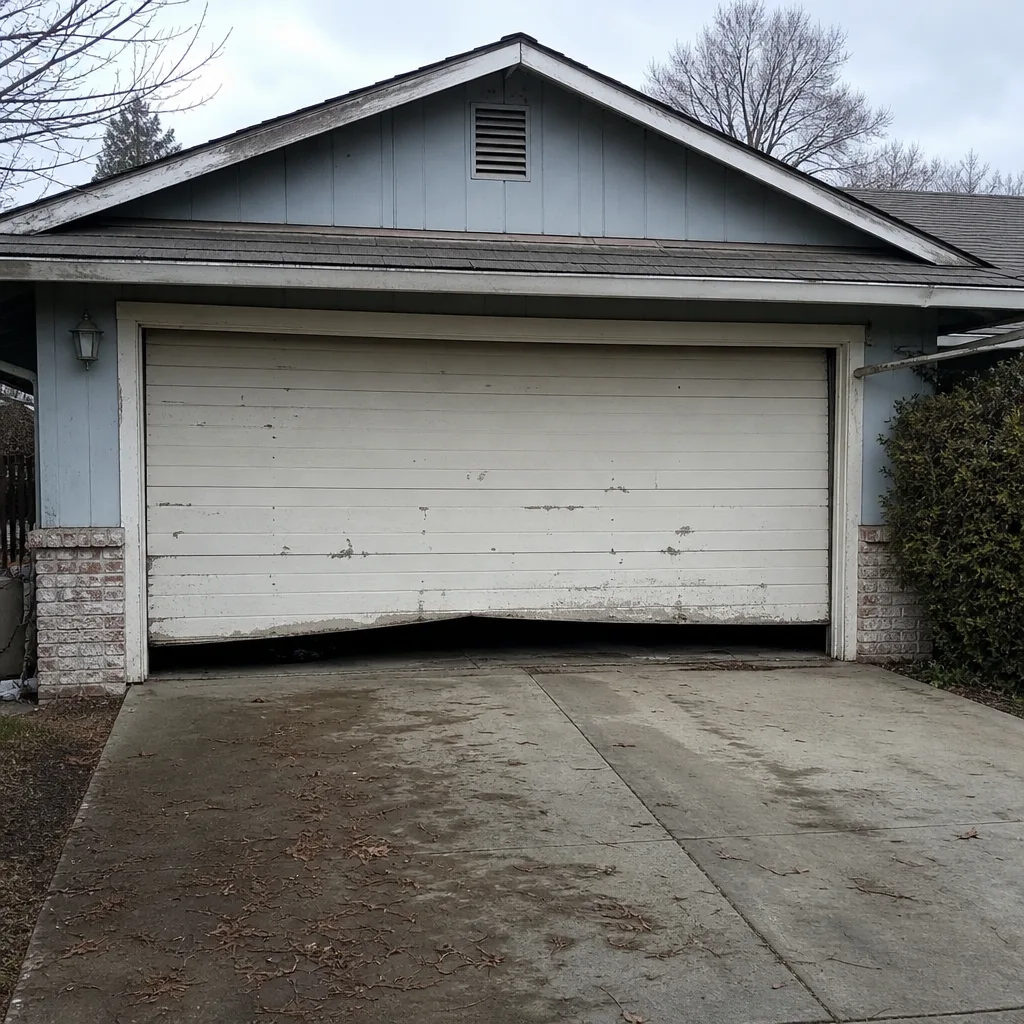 Before
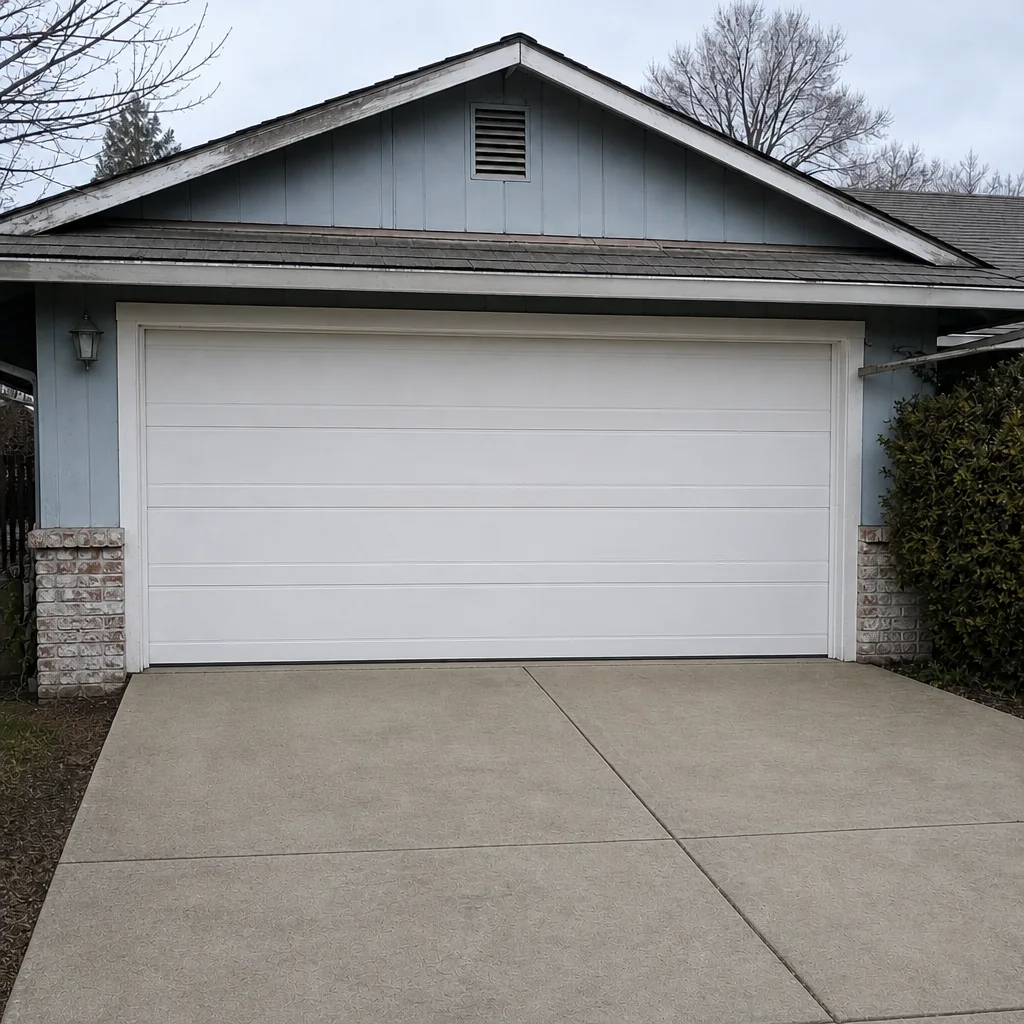 After
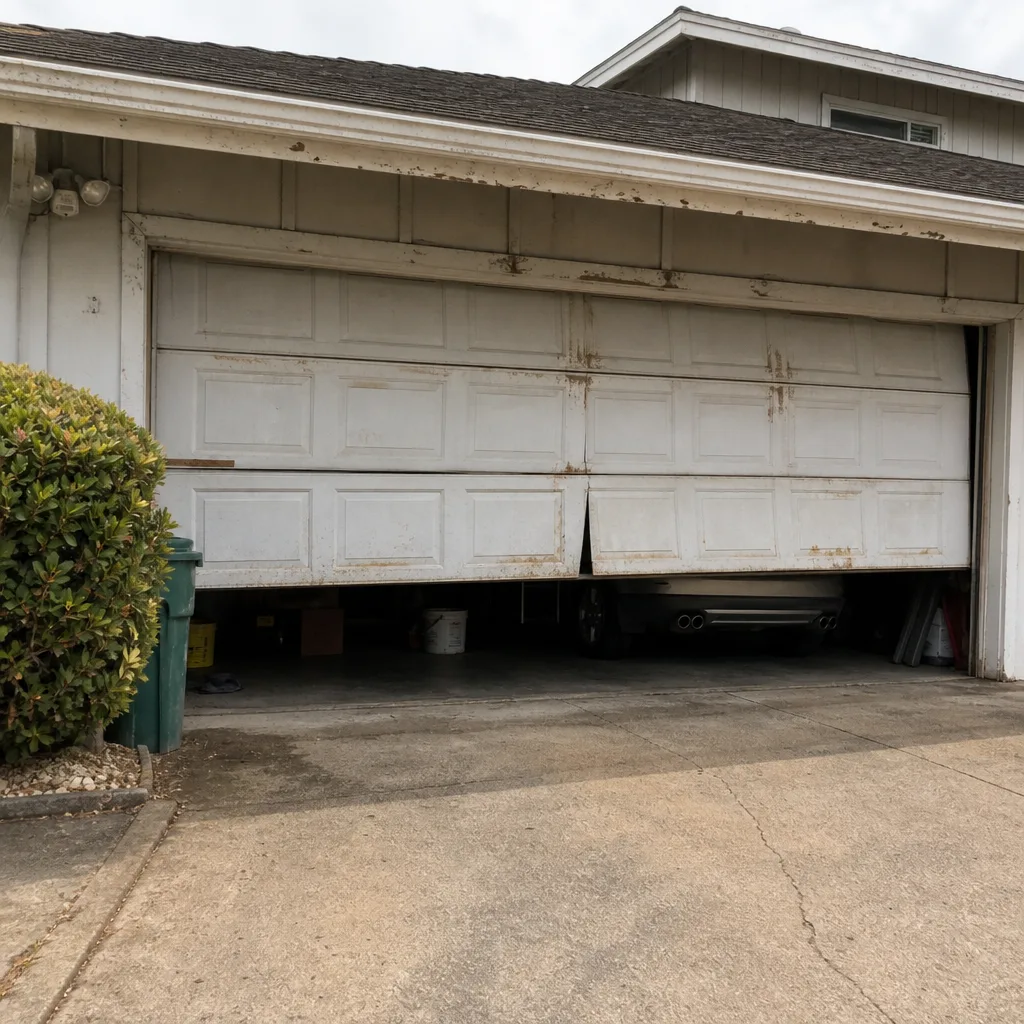 Before
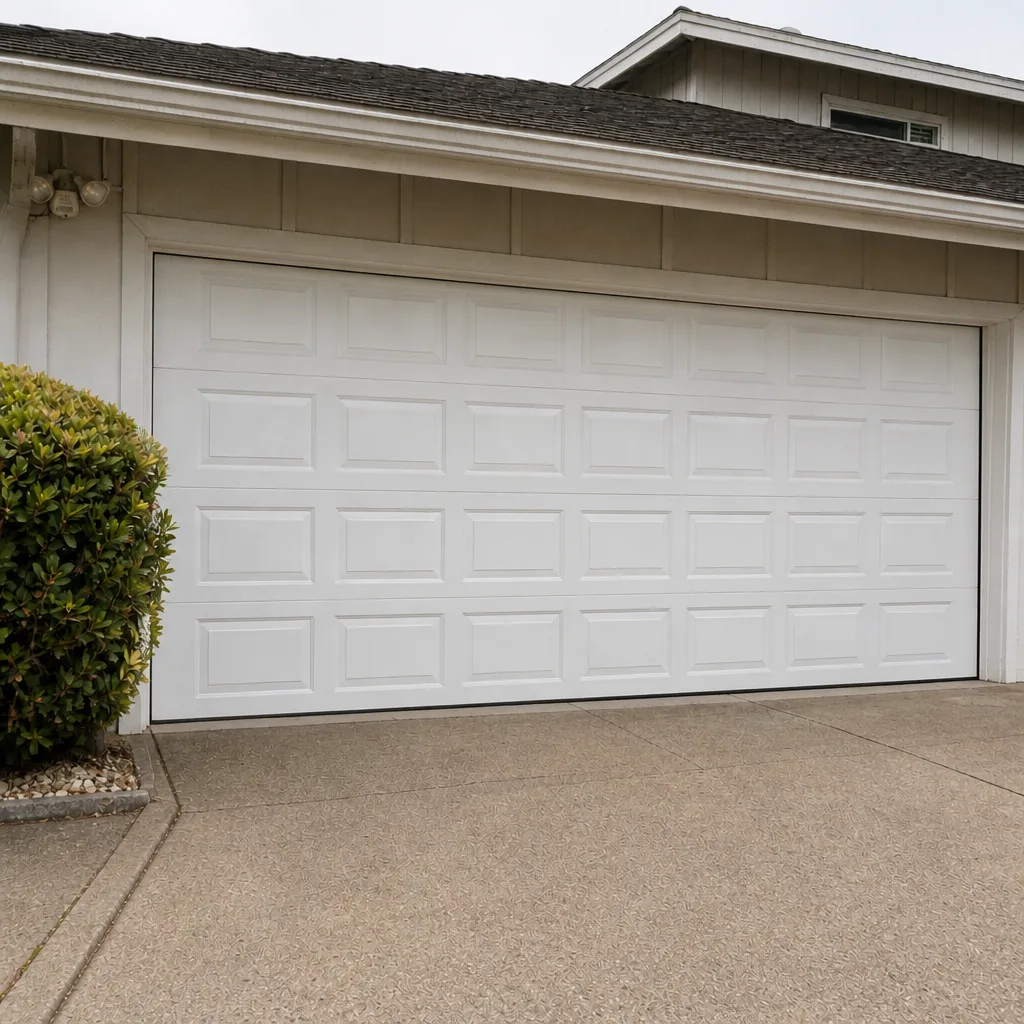 After
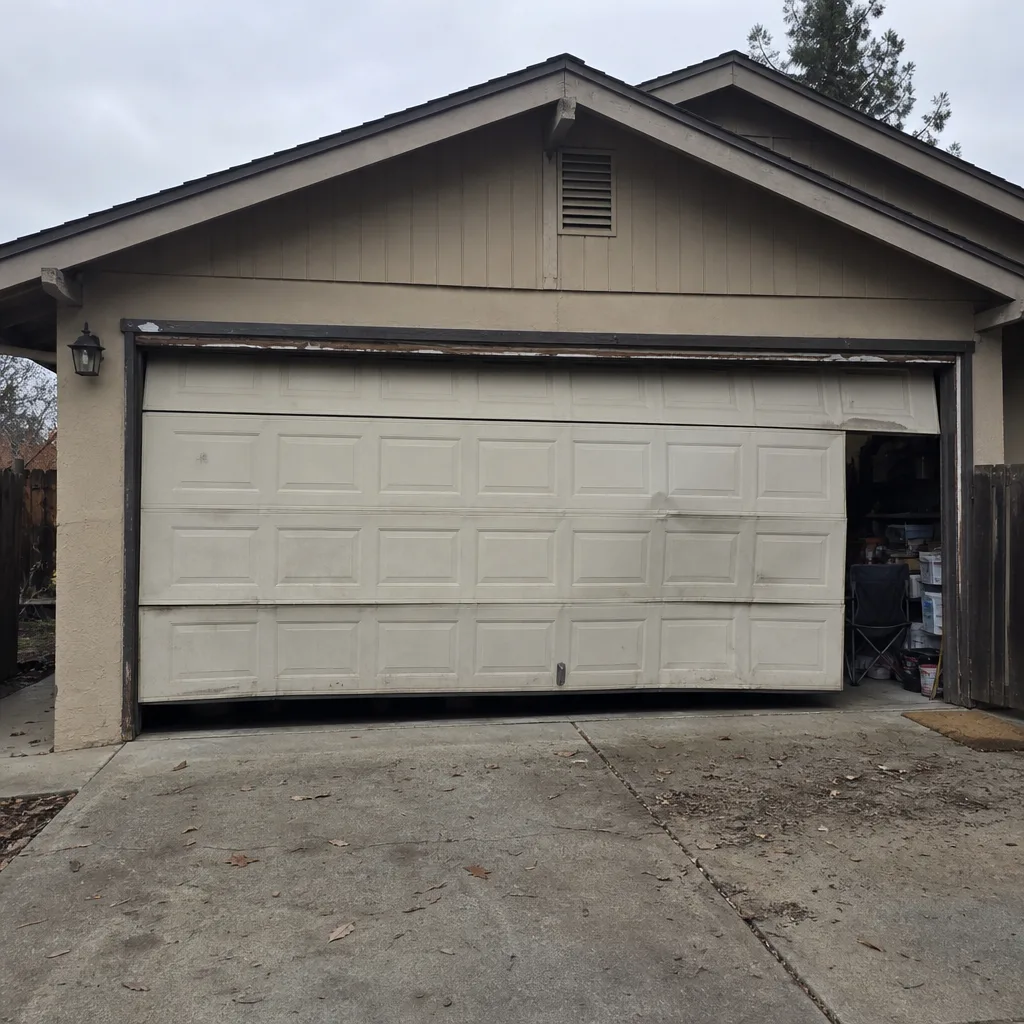 Before
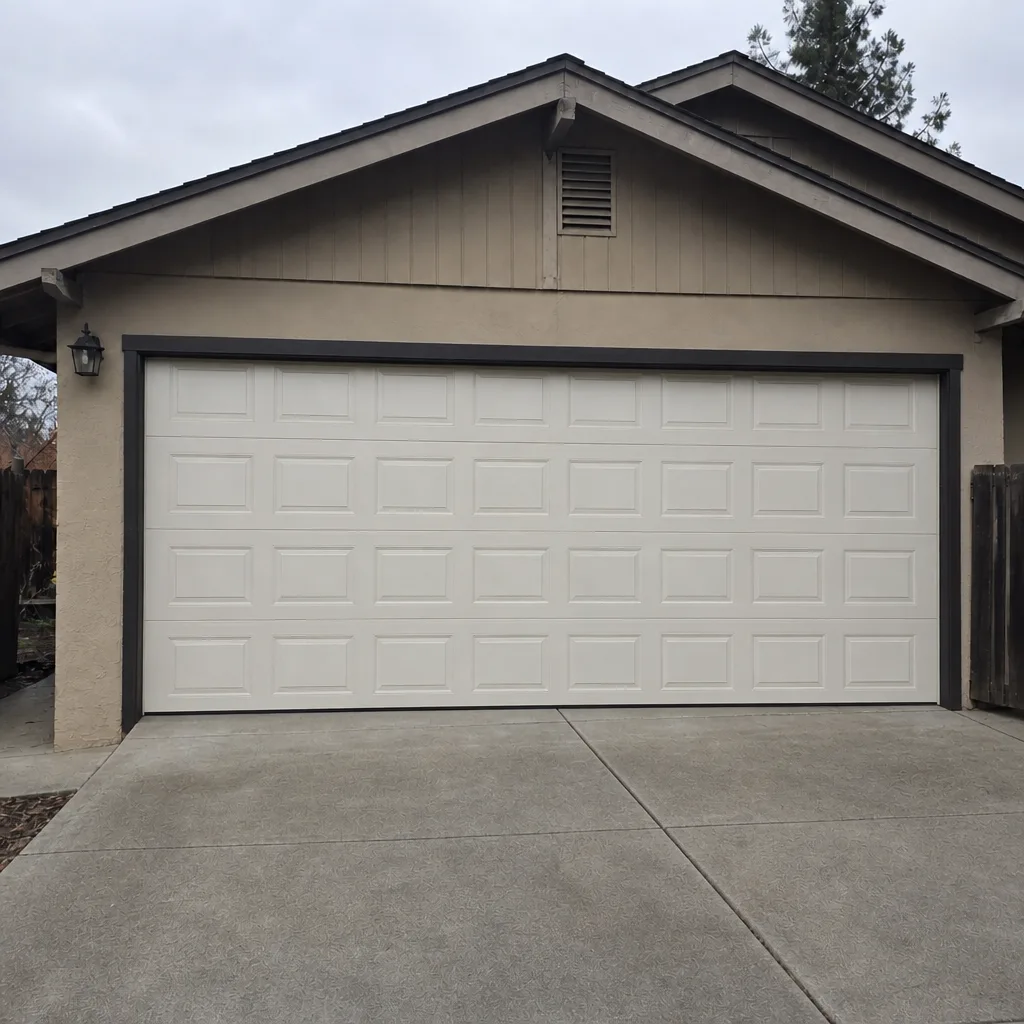 After