
Last updated November 15, 2026
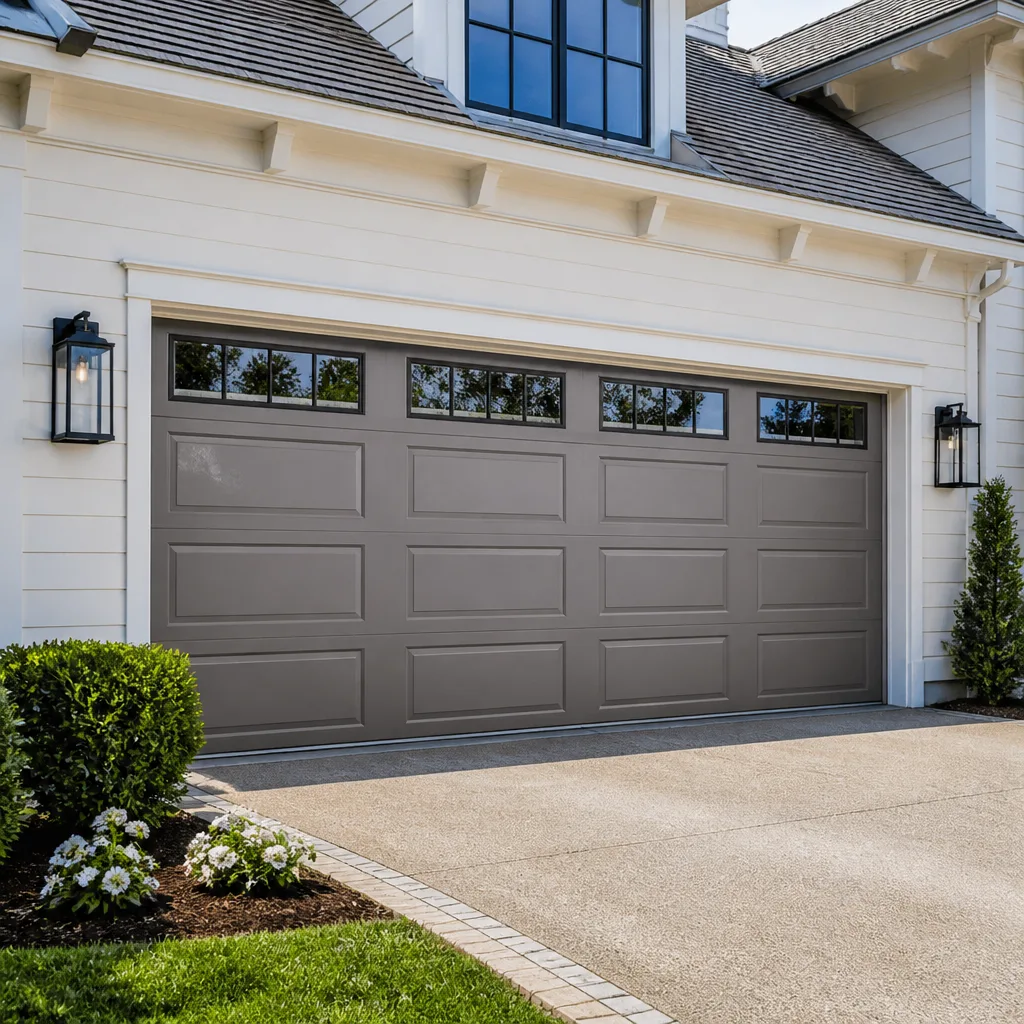 Raised-panel steel
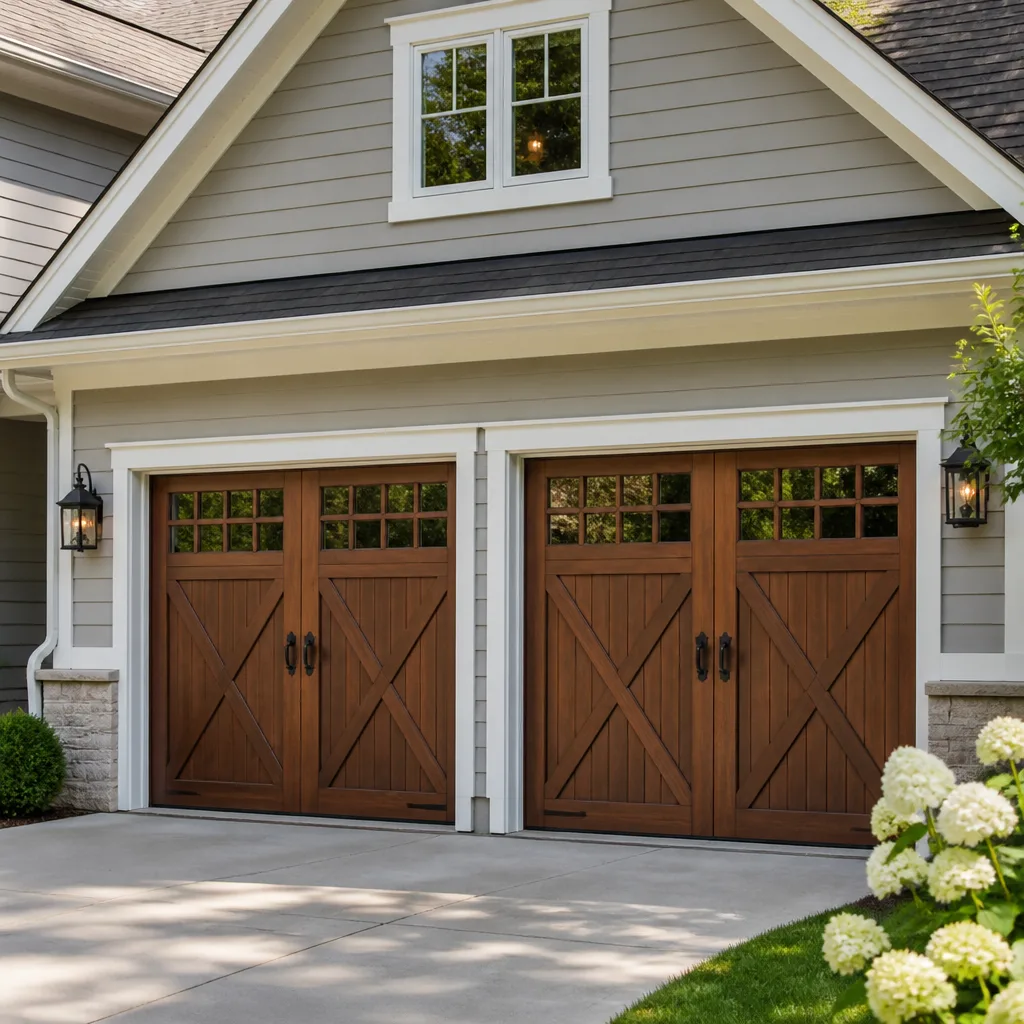 Carriage house
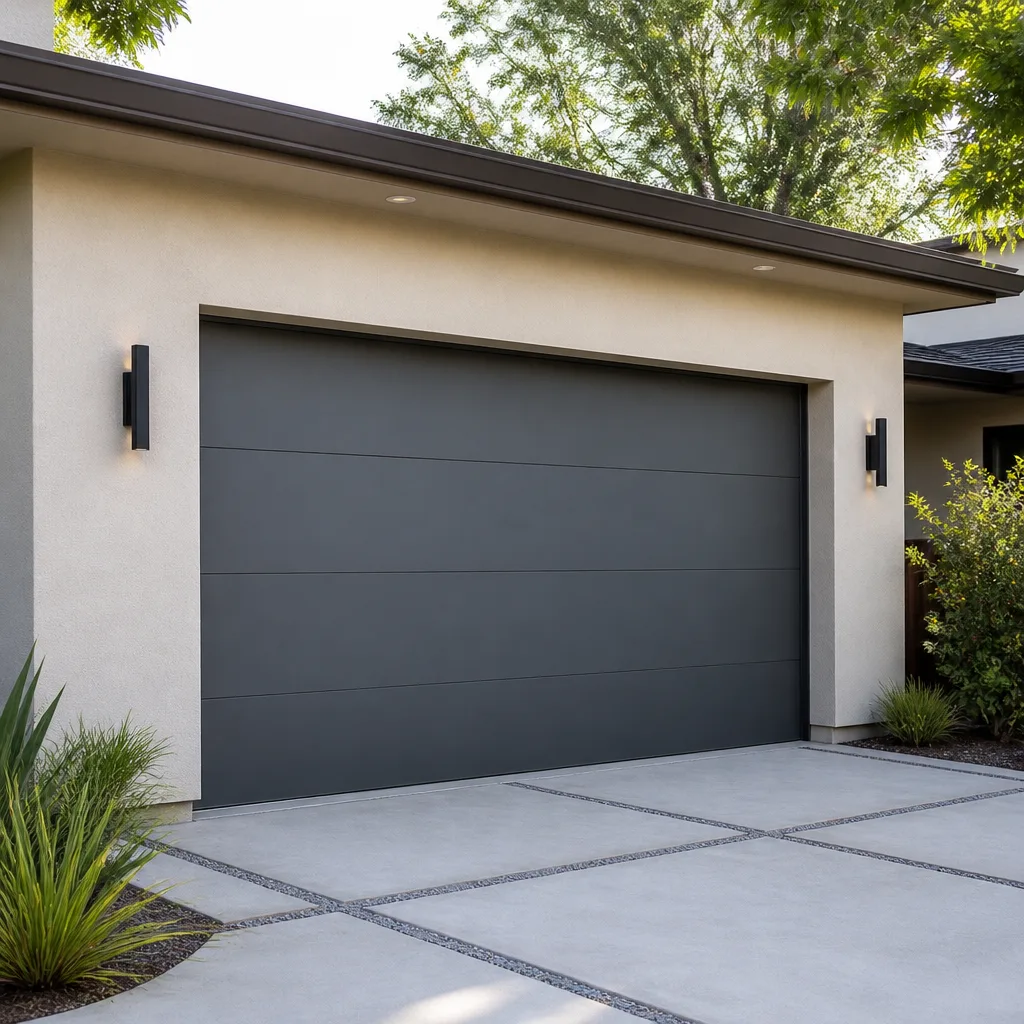 Modern flush
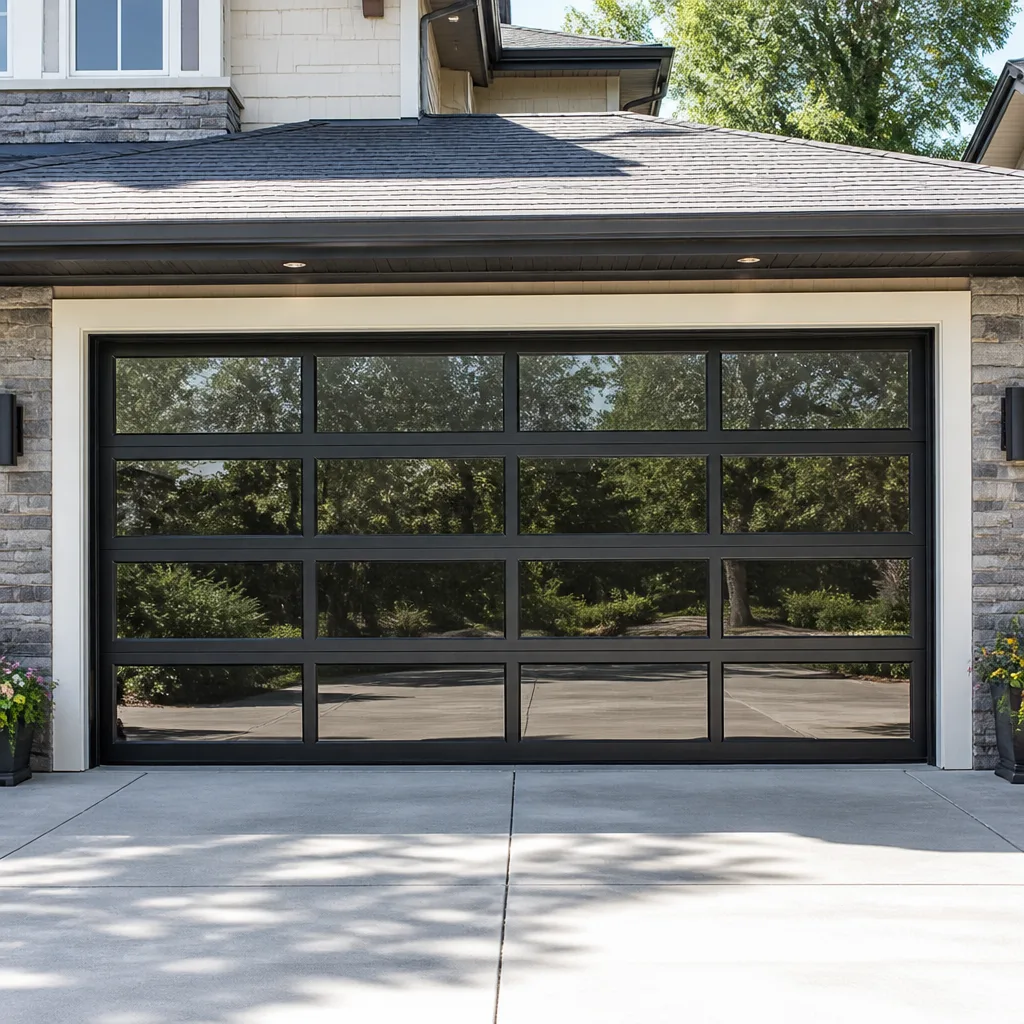 Full-view glass
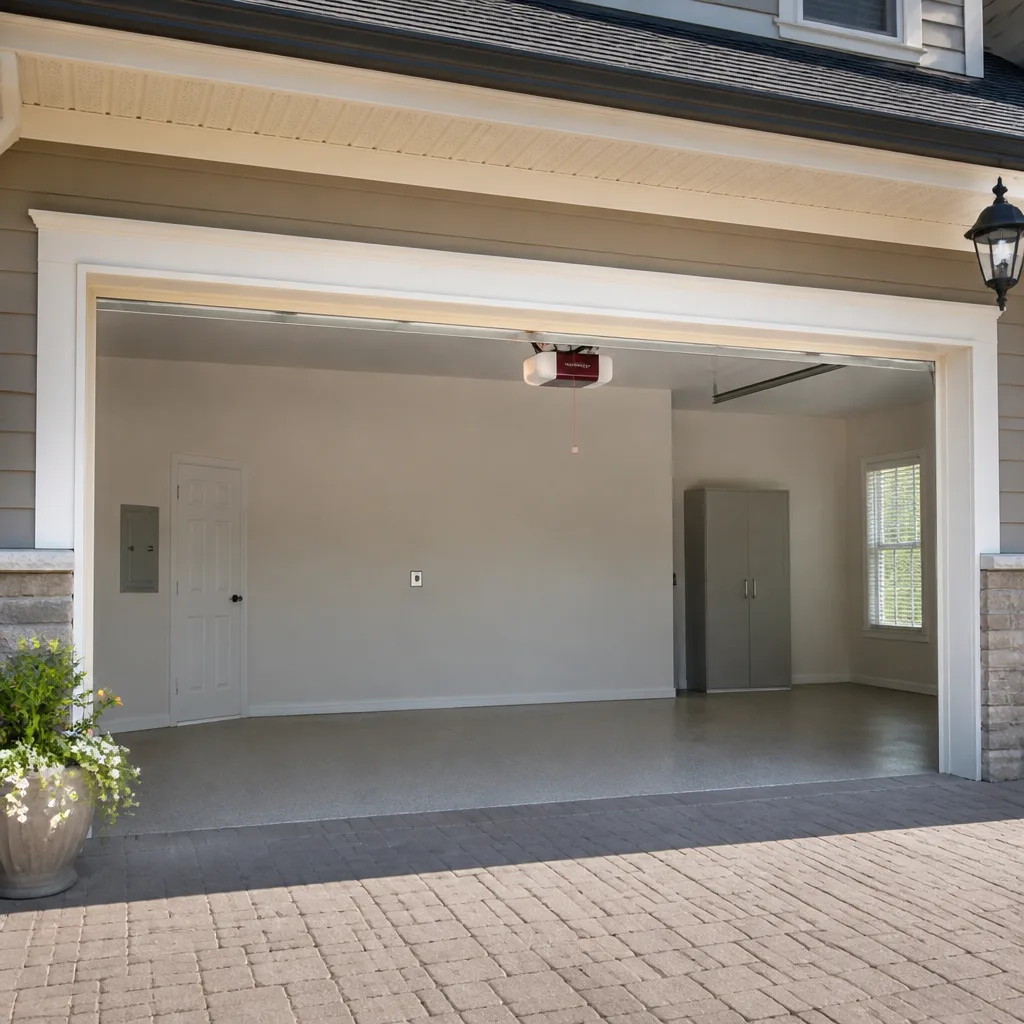 LiftMaster openers
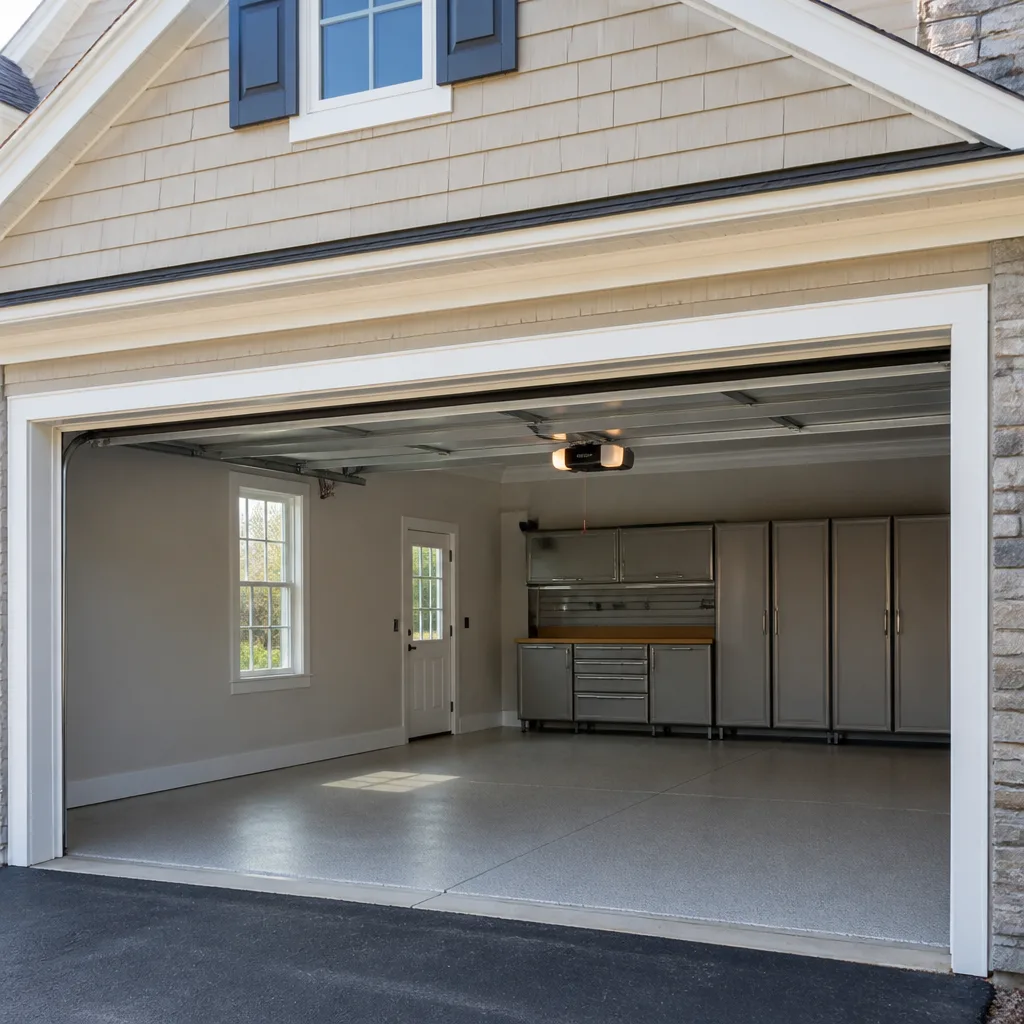 Chamberlain openers
Full 25-point door and opener safety check with every visit - springs, cables, rollers, tracks, and your LiftMaster or Chamberlain opener included
You get a price before we start. It does not change when the pro arrives.
Get your free estimateDIY vs Professional Garage Door: The Chico Homeowner’s Decision Guide
Garage door springs hold hundreds of pounds of stored tension, and the handful of videos that make spring replacement look manageable were filmed by people who got lucky. That’s the part most DIY guides skip. Whether you should tackle a garage door fix yourself isn’t really a question about how handy you are. It’s a question about which specific task you’re facing, because the line between safe DIY and dangerous DIY on a garage door is narrow, specific, and doesn’t move. This guide draws that line task by task, compares the real cost of doing it yourself against hiring it out, and shows you how to be a useful partner on a professional job. If you live in Chico, summer heat adds a wrinkle worth planning around.
Quick Answer
Most garage door maintenance and simple adjustments are safe for a careful homeowner. Spring, cable, and torsion work is not, and should go to a trained technician. If your door won’t close, is unbalanced, or makes a sudden loud bang, that’s the professional column. For everything else, this guide tells you exactly where you stand.
Styles & brands we work with
- Raised-panel steel
- Carriage house
- Modern flush
- Full-view glass
- LiftMaster openers
- Chamberlain openers
Table of Contents
- What Can You Safely DIY on a Garage Door?
- What Work Belongs Only to a Professional?
- The Tools That Move a Job Into the DIY Column
- What DIY Really Costs Compared to a Pro Repair
- Why Chico Summers Raise the DIY Error Rate
- How to Be a Useful Collaborator on a Pro Job
- Opener Repairs: A Special Case
- Common Mistakes to Avoid
What Can You Safely DIY on a Garage Door?
The safe DIY list is shorter than most homeowners expect, but it’s real. These tasks involve no stored tension and no electrical hazard, and a reasonably careful person with basic tools can handle them. If something on this list goes wrong, you lose an afternoon, not a finger.
- Lubrication. A garage door has rollers, hinges, and a track that benefit from a proper garage door lubricant a few times a year. This is the single highest-value thing a homeowner can do and it costs almost nothing.
- Visual inspection. Look at the springs for gaps or stretch, check the cables for fraying, and watch the door travel up and down for wobble. You’re looking, not touching.
- Replacing the bottom weather seal. The rubber seal along the bottom edge wears out and lets in dust and heat. It slides out and a new one slides in.
- Cleaning and aligning the photo-eye sensors. If the door reverses for no obvious reason, a dirty or knocked-out-of-line safety sensor is the usual culprit. Wipe the lenses and check that the two units point at each other.
- Battery replacement in remotes and keypads. Straightforward, and it solves more “my opener stopped working” calls than you’d think.
- Tightening visible hinge and bracket bolts. A door that rattles usually has loose hardware. Snug them down by hand and with a socket, but stop if a bolt is stripped or a bracket looks bent.
Notice what’s not on this list. No track straightening with a hammer, no roller replacement on a door that’s under tension, and nothing that involves the springs or cables. In the Chico area, dust from dry summers works its way into tracks and hinges faster than in wetter climates, so the lubrication and inspection habits above matter more here than the generic advice suggests. Keep them up and you’ll catch small wear before it turns into a repair bill.
What Work Belongs Only to a Professional?
This is the non-negotiable list. Every task below involves stored mechanical energy or a live electrical connection, and each one has injured or killed experienced tradespeople, not just first-time DIYers. We’re not being cautious for effect. A torsion spring on a standard residential door can carry enough tension to break bones if it releases unexpectedly, and a cable under load can whip with similar force.
- Spring replacement or adjustment, torsion or extension. This is the single most dangerous garage door task and the one homeowners most often attempt after watching a video. The spring stores the energy that lifts the door. Releasing or winding it requires specific winding bars and a working knowledge of how much tension is safe. We can’t recommend any version of this as DIY, at any experience level.
- Cable replacement. Cables run under the same tension as the springs. A cable that snaps free under load is a genuine hazard.
- Track replacement or major straightening. A bent track can cause the door to bind and come off its rollers. Straightening by force usually makes it worse and can drop the door.
- Panel replacement on a damaged door. Panels are heavy, awkward, and on many models the whole door must be supported to swap one out.
- Opener electrical work. Wiring a new opener into the home’s electrical system, or diagnosing a circuit issue, is electrical work. That belongs to someone trained for it.
- Anything that happens after a loud bang. If you hear a snap and the door drops or won’t lift, stop. Don’t cycle the door to “see what happens.” The spring has failed and the door is now being held by the opener alone, which is not built for that load.
When you call us for garage door repair, the first thing a trained technician does is make the door safe before anything else. That step exists for a reason. Our technicians have up to 11 years of experience and have seen what happens when a spring job goes wrong at home.
The Tools That Move a Job Into the DIY Column
Tools are the honest test of whether a task is DIY-able. If you don’t already own the right tool, buying it for a one-time garage door job usually costs more than the professional repair. And a tool used incorrectly on a door under tension is worse than no tool at all. Here’s what each task actually requires.
- Lubrication and inspection: a garage door lubricant, a rag, and a flashlight. Most homeowners already have everything but the lubricant.
- Weather seal replacement: a utility knife, a tape measure, and the correct replacement seal. The tricky part is matching the seal profile to your door, which is where brand knowledge helps. A Wayne Dalton door, for example, takes a specific style of bottom seal.
- Sensor alignment: a screwdriver and a level. If a sensor is actually dead rather than misaligned, the fix becomes opener repair and moves to the professional column.
- Hardware tightening: a socket set and a screwdriver. If you need a hammer or a pry bar to make something fit, that’s the signal to stop.
- Spring or cable work: winding bars, a proper C-clamp setup to hold the door, and a trained hand. The absence of any one of those is why this belongs to a professional. A homeowner with the wrong bar is worse off than one with no bar at all.
Here’s the practical rule: if a task needs a tool you don’t own, and that tool costs more than the professional service, don’t buy it for a single job. You’ll spend more money, more time, and carry all the safety risk. Calling Garage Door Repair Chico for a free estimate tells you exactly what the repair costs before you decide.
What DIY Really Costs Compared to a Pro Repair
The real cost of DIY isn’t just the part. It’s the part, plus the tools, plus your Saturday, plus the chance you’ll have to call a professional anyway. That last factor is the one homeowners consistently underestimate. A DIY repair that gets the door moving but leaves it slightly out of balance causes uneven wear that turns into a second repair a few months down the line. The DIYer pays twice.
| Task | Typical DIY Cost | Typical Pro Cost |
|---|---|---|
| Lubrication and inspection | $10-$20 in lubricant | Simple enough to keep DIY |
| Weather seal replacement | $15-$40 in parts, plus a free afternoon | Free estimate on the full job, written price before work starts |
| Sensor alignment | $0 if the sensor is just dirty | Opener repair estimate if a sensor has failed |
| Spring replacement (one spring) | Cost of part plus winding bars, plus real injury risk | Quoted per job after a written estimate |
| Opener repair | Cost of the part, plus a wiring job you probably shouldn’t do | Free estimate, price agreed before any work |
We’re deliberately not quoting dollar figures in this table for professional work. Every door is different, and an honest number depends on the spring type, door weight, and opener model. What we can promise is the process: a free estimate, a written price, and work that doesn’t start until you agree to it. That’s the opposite of the DIY gamble, where the “estimate” is a guess and the bill shows up if the job goes wrong.
There’s also the callback cost. If a professional repair fails, it’s our problem and we come back. If a DIY repair fails, the cost of fixing it properly is on top of what you already spent. When you add tools and time, the DIY column often loses even before you factor in the safety risk.
Why Chico Summers Raise the DIY Error Rate
Chico gets hot, and a garage door on a summer afternoon is one of the hottest places on your property. Working in that heat does two things to a DIY job. First, it compresses your timeline, because you want to be done before the garage becomes unbearable, and rushing precision work is how mistakes happen. Second, heat and fatigue make a bad grip on a winding bar or a misplaced hand more likely, which is the exact problem you can’t afford on spring or cable work.
The heat affects the door too. Metal expands in the summer, and a door that was adjusted in cool weather can bind slightly in the heat of the day. That’s one reason we recommend doing any inspection or adjustment work early in the morning, before the garage has had time to bake. If a door is binding or making noise only on hot afternoons, that’s a sign a professional adjustment is due. Call it in and have it looked at when the door is cooler.
Summer also means dust. Chico’s dry days push fine grit into rollers and tracks, which accelerates wear. The DIY fix is a thorough clean and lube in spring, before the hot months arrive. That small effort pays off all season.
How to Be a Useful Collaborator on a Pro Job
A professional job goes faster and costs less when the homeowner has done a little prep. None of this means you’re helping with the repair itself. It means clearing the way so the technician spends time on the door, not on moving your stuff. This is your chance to shorten the job and keep the price down.
- Clear the garage floor and the driveway. A technician needs room to work and to test the door through its full travel. Move boxes, bikes, and anything near the tracks.
- Unplug the opener if you’re told to. If the repair involves spring or cable work, the technician will disconnect the opener before starting. Make sure the power is off and stays off.
- Document the door’s behavior before the visit. Note what’s happening: does it reverse, does it stop halfway, does it make a specific noise at a specific point in travel? Write down what you observed and when. This saves diagnostic time.
- Have the door’s brand and model available. We work on LiftMaster, Chamberlain, Genie, and Craftsman openers, along with Clopay, Amarr, Wayne Dalton, and Raynor doors, and knowing the brand up front means the right approach from the start.
- Know what’s in the way of the access path. If a technician needs to reach an outlet, the panel, or a sensor on the far side of the garage, clear the path in advance.
- Have your questions ready. Ask about the repair, the expected life of the part, and anything you want to know before the work begins. The estimate discussion is the right time for it.
Curb appeal matters here too. A garage door is one of the biggest visual features on a Chico home, and a technician who knows the door’s brand can tell you whether a repair or a replacement best fits what you want the front of the house to look like.
Opener Repairs: A Special Case
Opener problems often look like door problems. A door that won’t lift could be a failed spring, a misaligned sensor, a worn gear, or a bad logic board. Sorting out which one is a diagnostic skill, not a guessing game. That’s where brand knowledge earns its keep. A LiftMaster opener and a Craftsman opener from the same era can fail in completely different ways, and a technician who’s worked on both spots the difference quickly.
Some opener fixes are genuinely DIY-friendly: a new remote battery, re-learning a keypad code, or resetting the opener after a power outage. Others, like replacing a drive gear, a logic board, or rewiring the unit, are professional work. The rule we use is simple. If the fix involves opening the unit or touching a wire, it’s opener repair, and it goes to us. If you’re not sure which category you’re in, call garage door opener repair and describe the symptom. We can usually narrow it down over the phone.
When an opener is genuinely on its last legs, we don’t push a full replacement just to sell a unit. If a repair is the smarter call, that’s what we say. If a replacement makes more sense, we walk through the options across LiftMaster and Chamberlain, along with the other brands we service. The decision stays yours, made with the facts in hand.
Common Mistakes to Avoid
- Trying to “test” a door after a loud bang. If a spring has failed, the door is held only by the opener. Cycling it can damage the opener and drop the door. Stop and call.
- Buying winding bars online and calling it a plan. The bars aren’t the hard part. Knowing how much tension to wind and when the door is safely secured is. Skip the video tutorial and book the repair.
- Straightening a track with a hammer. A bent track needs replacement, not force. A hammered track can cause the door to jump its rollers and come down.
- Lubricating the wrong parts. Lubricant on the tracks themselves attracts grit and causes binding. It goes on the rollers, hinges, and springs, not the track surface.
- Working in a hot Chico garage at 3 p.m. in July. Heat and fatigue cause errors. If you’re doing any DIY, do it in the morning, and take breaks.
- Ignoring a door that’s slow or noisy at the start of summer. That’s the earliest warning sign of a losing spring or worn hardware. Have it checked before it fails when you need the car out.
- Assuming a sensor problem is always a sensor. A door that reverses could be a failed sensor, but it could also be a board failure. If a wipe and realignment don’t fix it, get it diagnosed.
See the difference
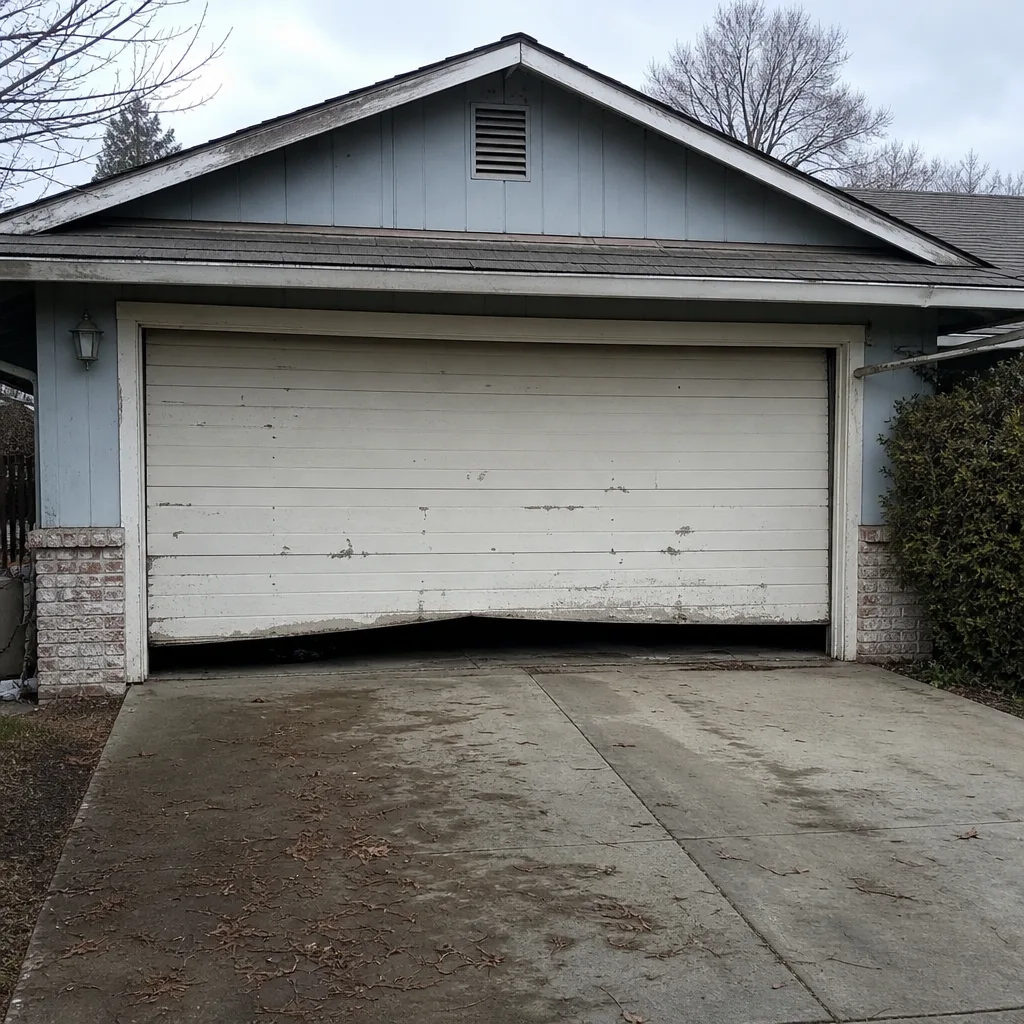 Before
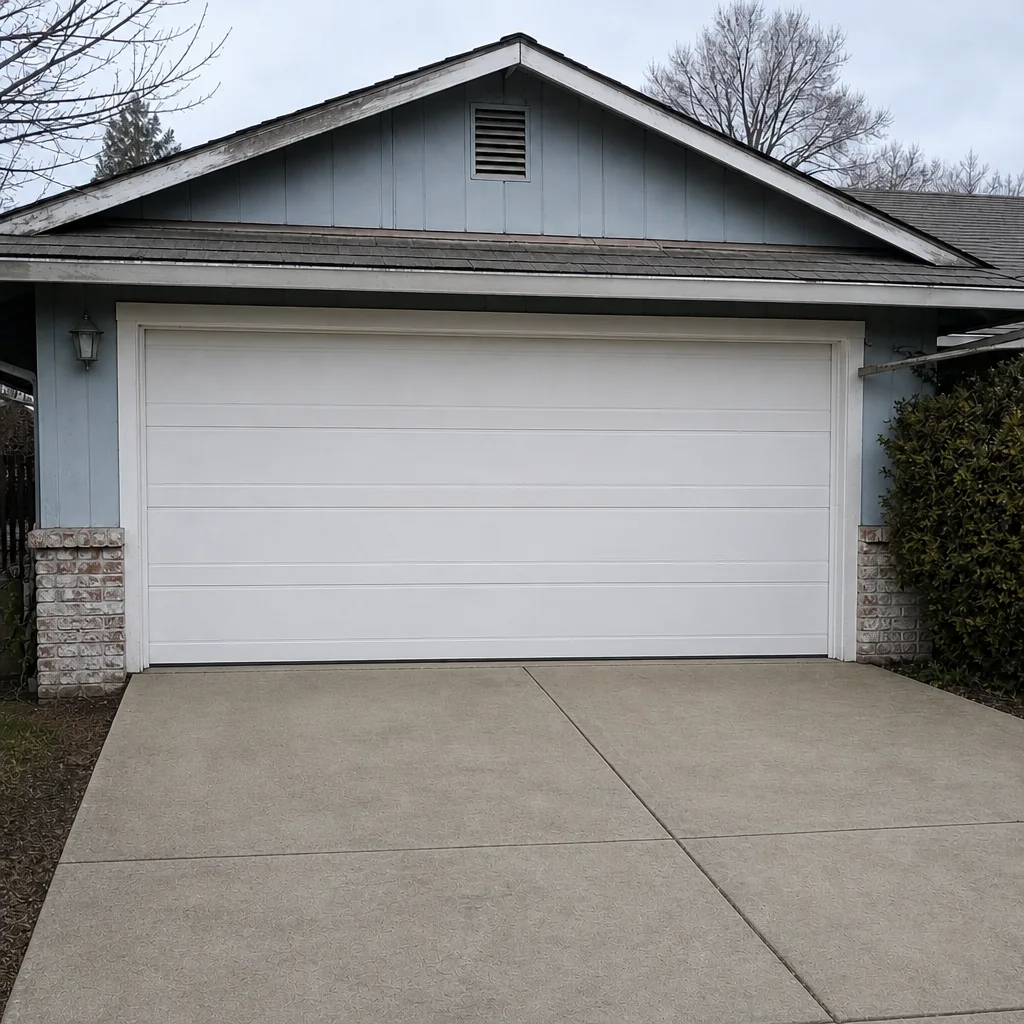 After
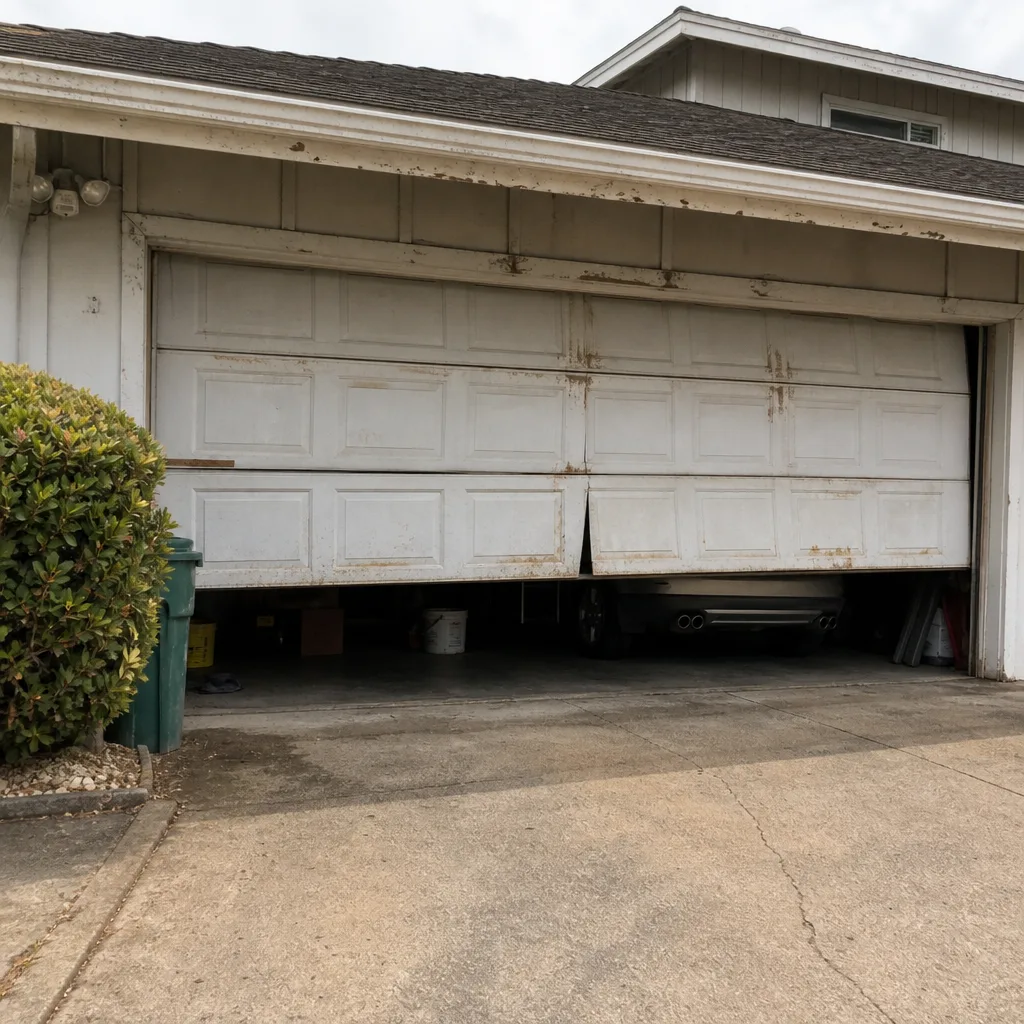 Before
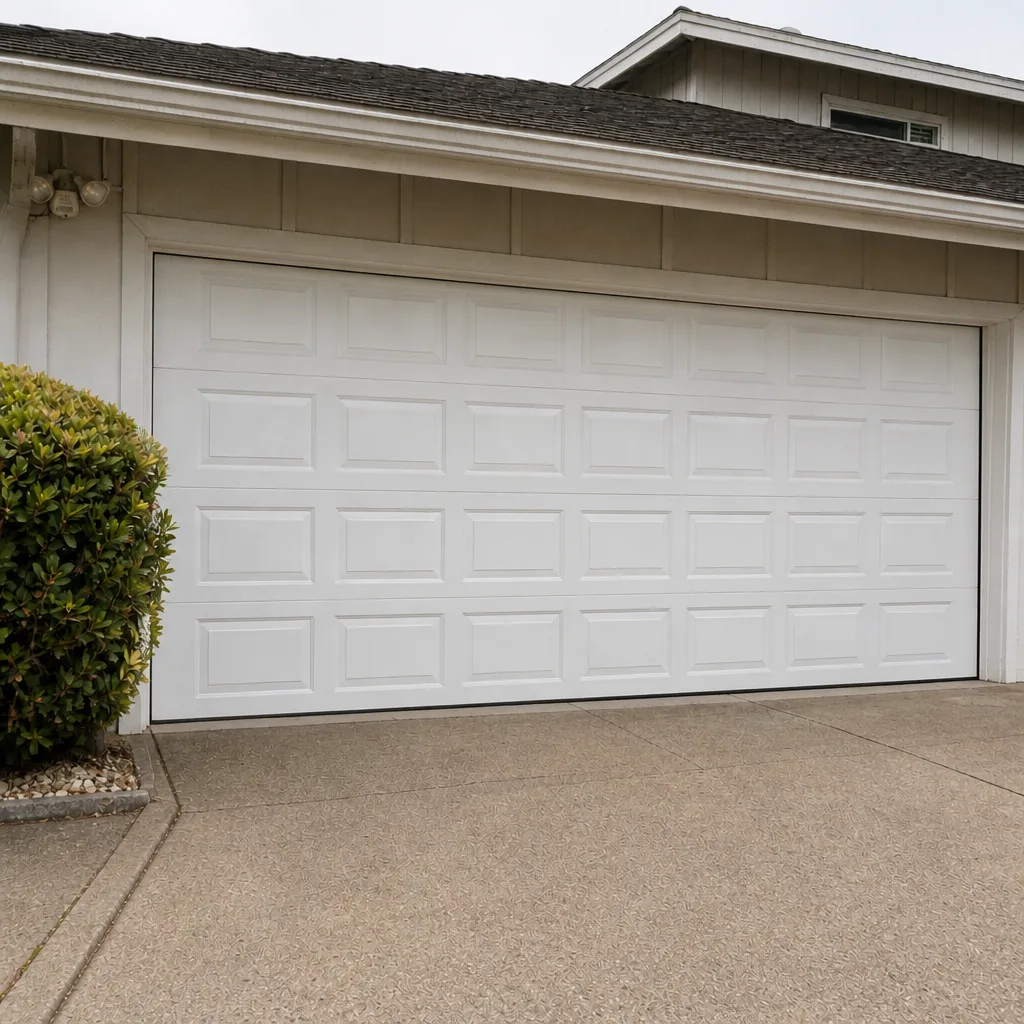 After
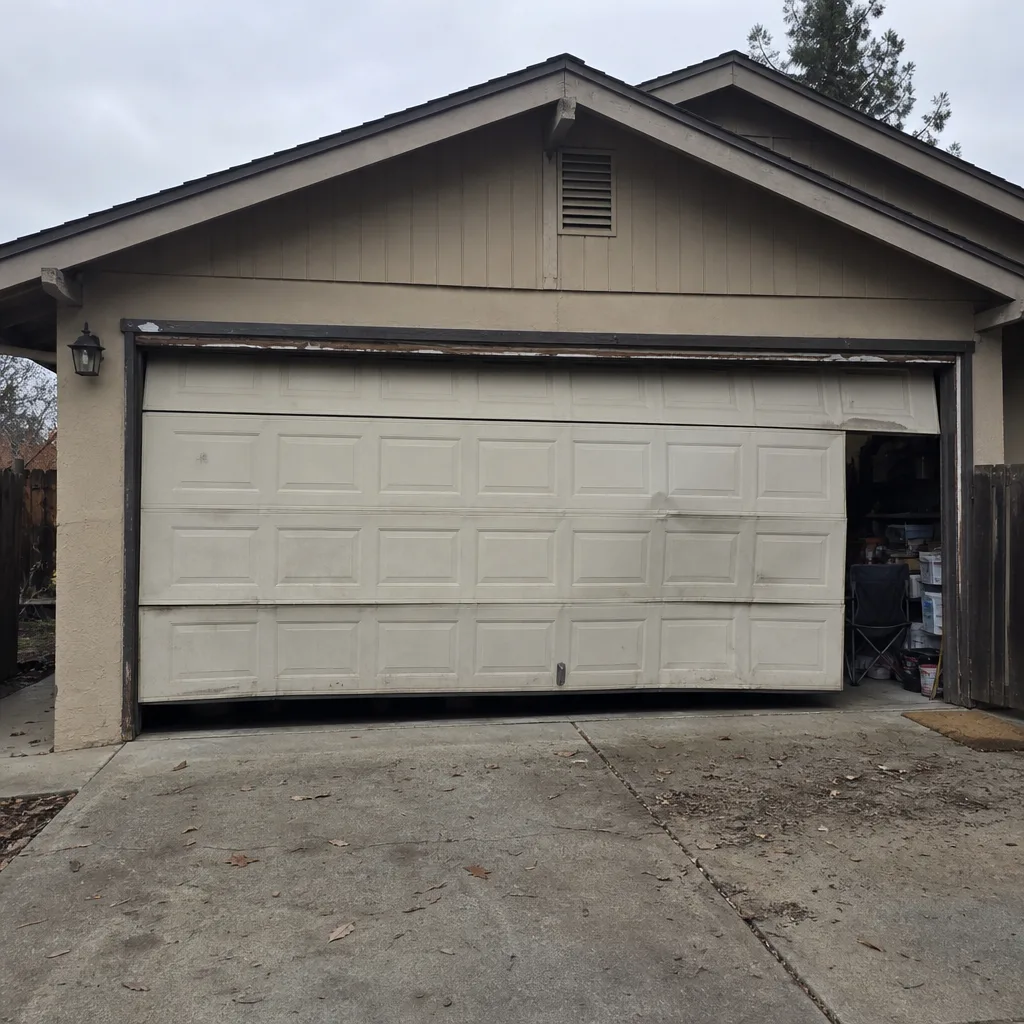 Before
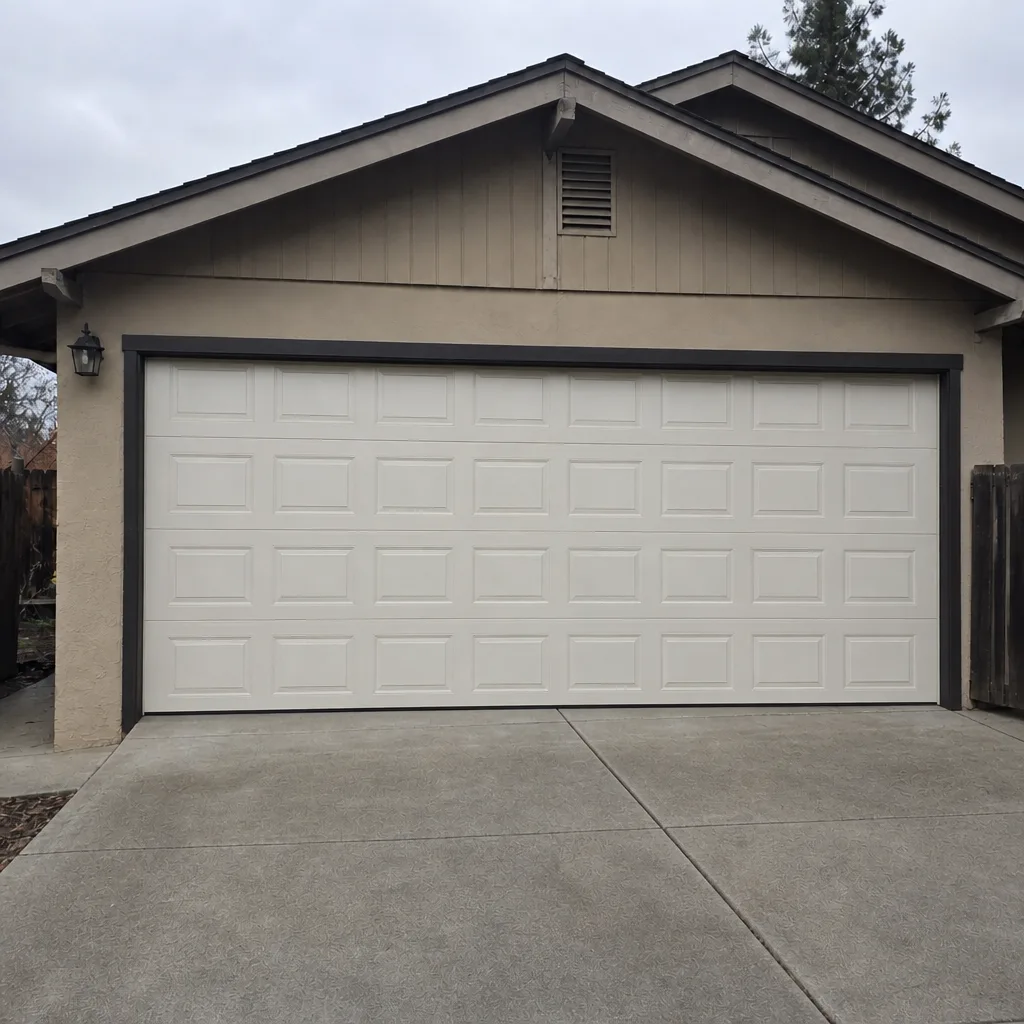 After
When to Call a Professional
Call a professional the moment any of these apply: a spring has broken or looks stretched, a cable is frayed, the door is unbalanced (lift it halfway by hand and let go, and it should stay put), the door comes off its track, you hear a sudden loud noise, or the opener won’t run and the electrical side looks involved. Any of those is a “don’t touch it” situation and a job for a trained technician. If you’re not sure, a free estimate settles it. Garage Door Repair Chico offers free estimates in Chico. Call (833) 946-9124. We answer 24/7, with fast dispatch from 7am to 7pm, Sunday through Friday.
Frequently Asked Questions
We don’t recommend it at any experience level. Garage door springs are under hundreds of pounds of stored tension, and releasing that tension without the right tools and training is one of the most dangerous DIY repairs you can attempt. A trained technician handles the winding safely and checks that the door is rebalanced afterward. Call for a free estimate before you buy tools.
If the task involves springs, cables, tracks, panel replacement, or electrical work, it’s professional. If it’s lubrication, inspection, a weather seal, sensor cleaning, or a remote battery, it’s DIY. When in doubt, describe the symptom in a phone call and we’ll tell you which category it’s in at no cost.
The honest answer is that it depends on the part and the door. Every job gets a free estimate and a written price, and the work doesn’t start until you agree to it. That’s the difference between a quoted repair and a DIY guess that might need a second fix. Call (833) 946-9124 for the exact number for your door.
We work across eight major brands: LiftMaster, Chamberlain, Genie, Craftsman, Clopay, Amarr, Wayne Dalton, and Raynor. Our technicians have up to 11 years of experience with these lines, so they diagnose by familiarity with the brand rather than guesswork. If you’re in Chico and you know your brand, tell us when you call.
Before you call, note the door’s brand, the exact symptom (reverses, stops halfway, noisy, won’t move), and whether the noise started suddenly. Check that the sensors aren’t dirty or blocked. Write down what you observe. That prep shortens the diagnostic time and makes the estimate more accurate.
Only on the safe list: lubrication, inspection, weather seal, and sensor cleaning. For anything else, the cost of tools and time plus the risk of a callback makes DIY a worse deal than a free estimate. A pro repair done once is usually cheaper than two DIY attempts.
The Bottom Line
Garage doors have a safe DIY column and a professional-only column, and the split is clear. Lubrication, inspection, weather seals, and sensor care are yours to handle, and they prevent a lot of bigger problems. Springs, cables, tracks, panels, and electrical work belong to a trained technician, full stop. Chico heat raises the error rate on any DIY job, so work in the mornings and watch for wear earlier in the year. Compare the real costs, not just the part, and remember the phrase that settles the whole question: a pro repair done right once is cheaper than three attempts that don’t work.
Whatever state your door is in, we can help. Call (833) 946-9124 for a free estimate from Garage Door Repair Chico. We answer 24/7, with fast dispatch from 7am to 7pm, Sunday through Friday. The price is quoted and agreed before any work starts, so you know where you stand before a bolt is turned.
Written by the team at Garage Door Repair Chico.