
Last updated November 15, 2026
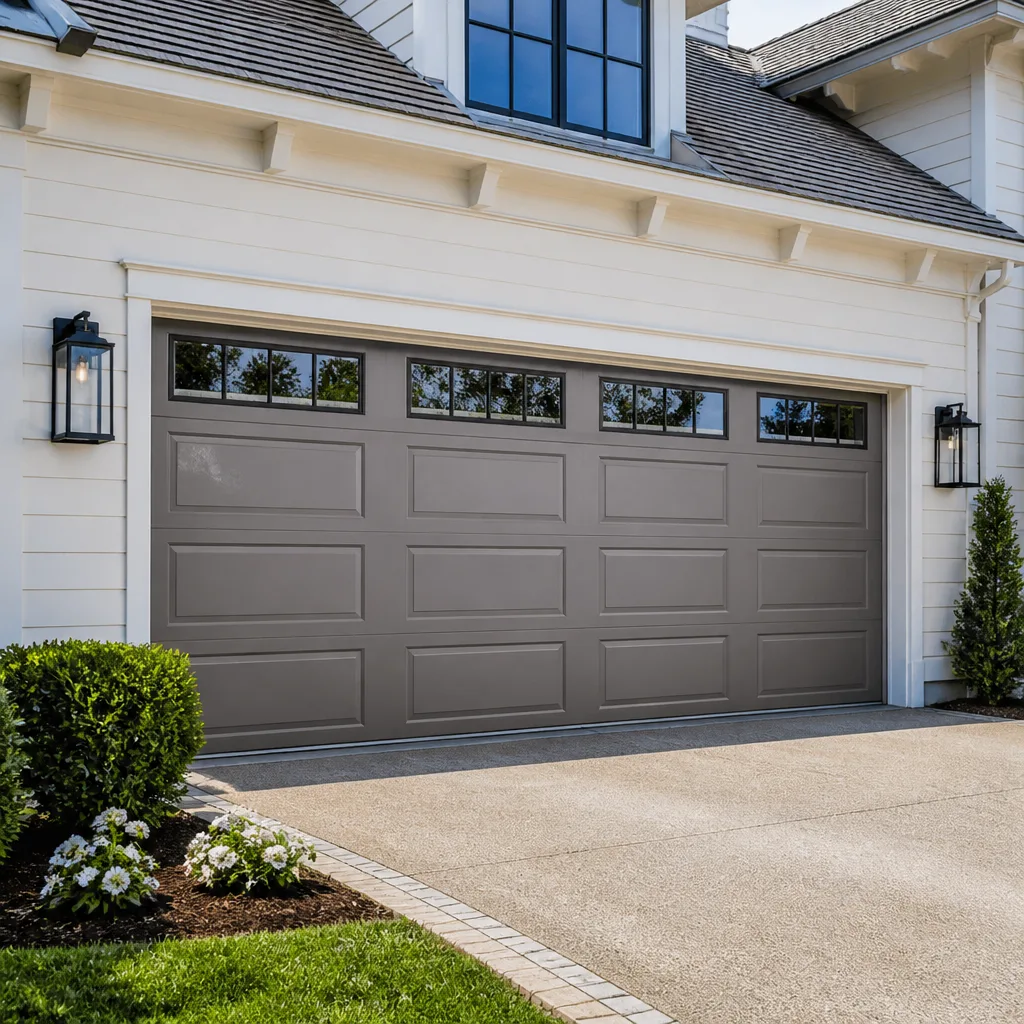 Raised-panel steel
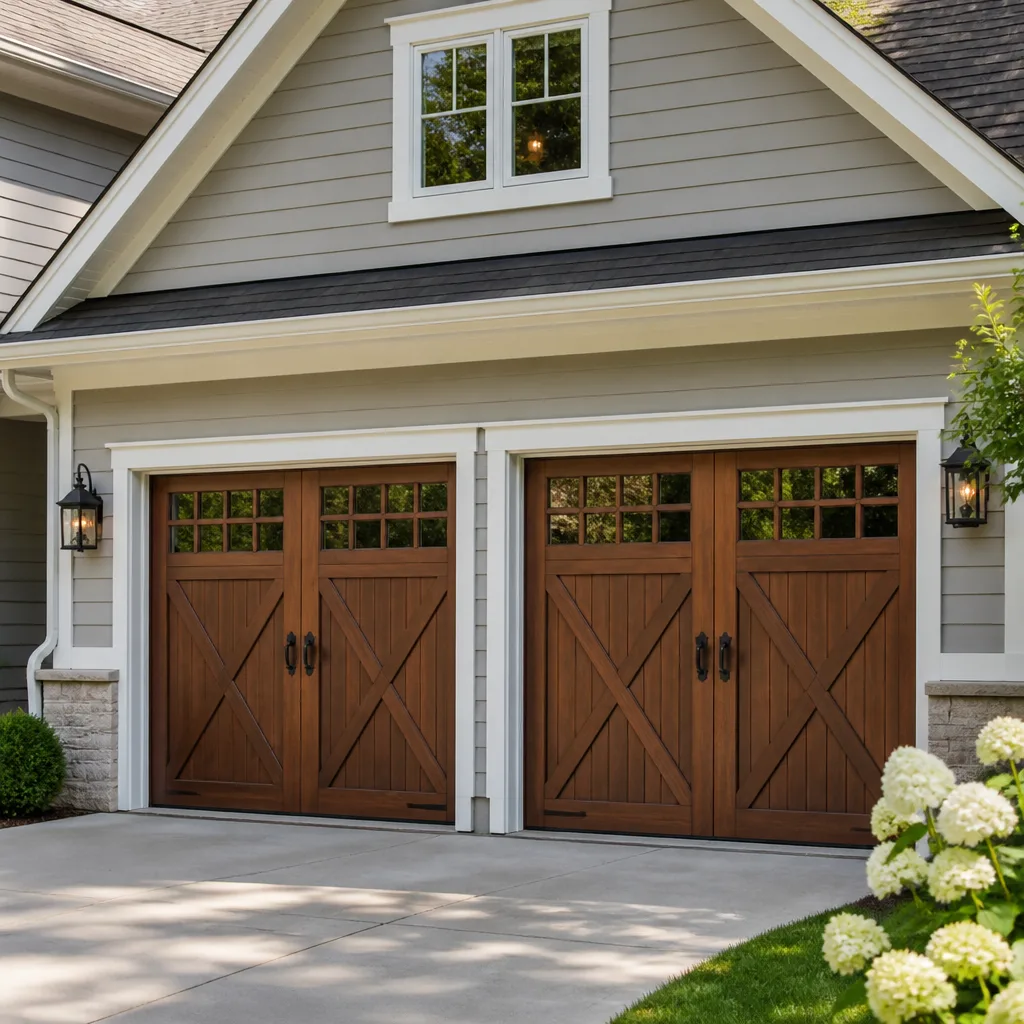 Carriage house
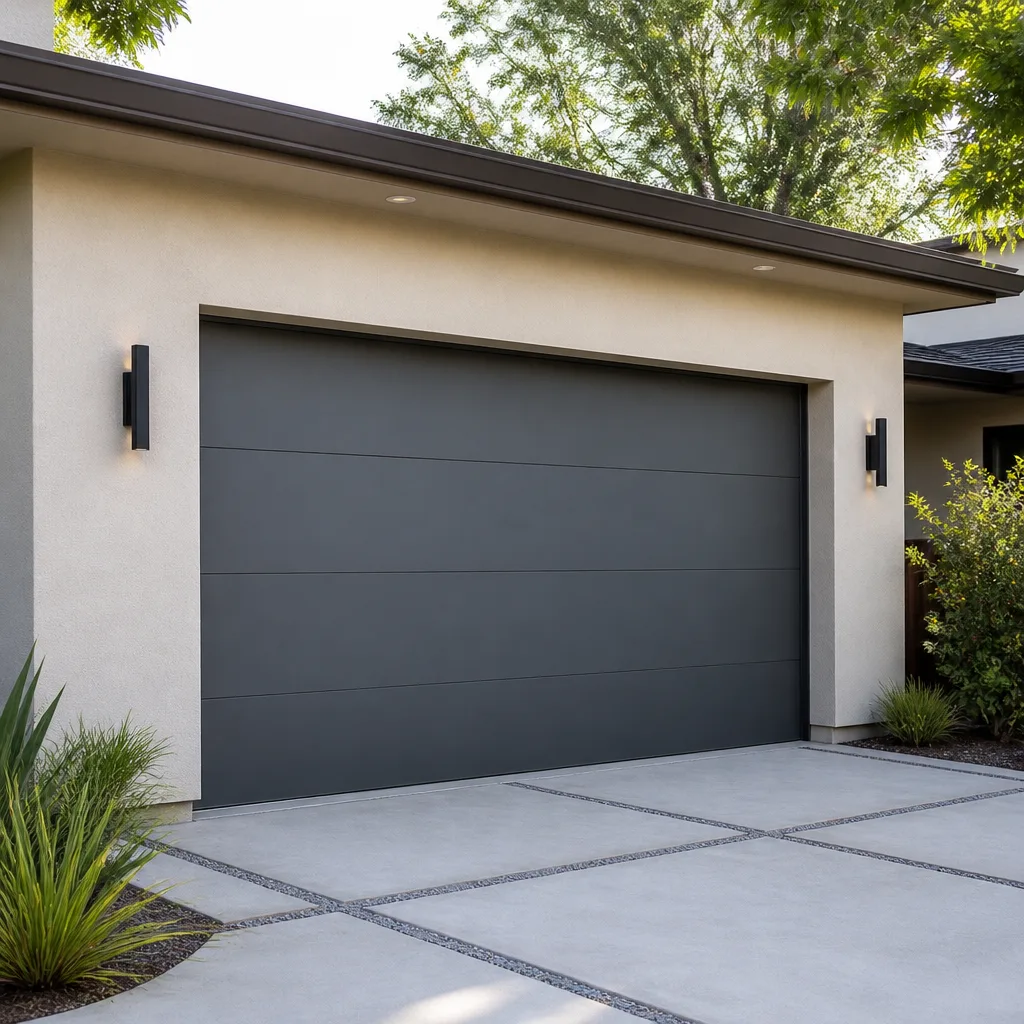 Modern flush
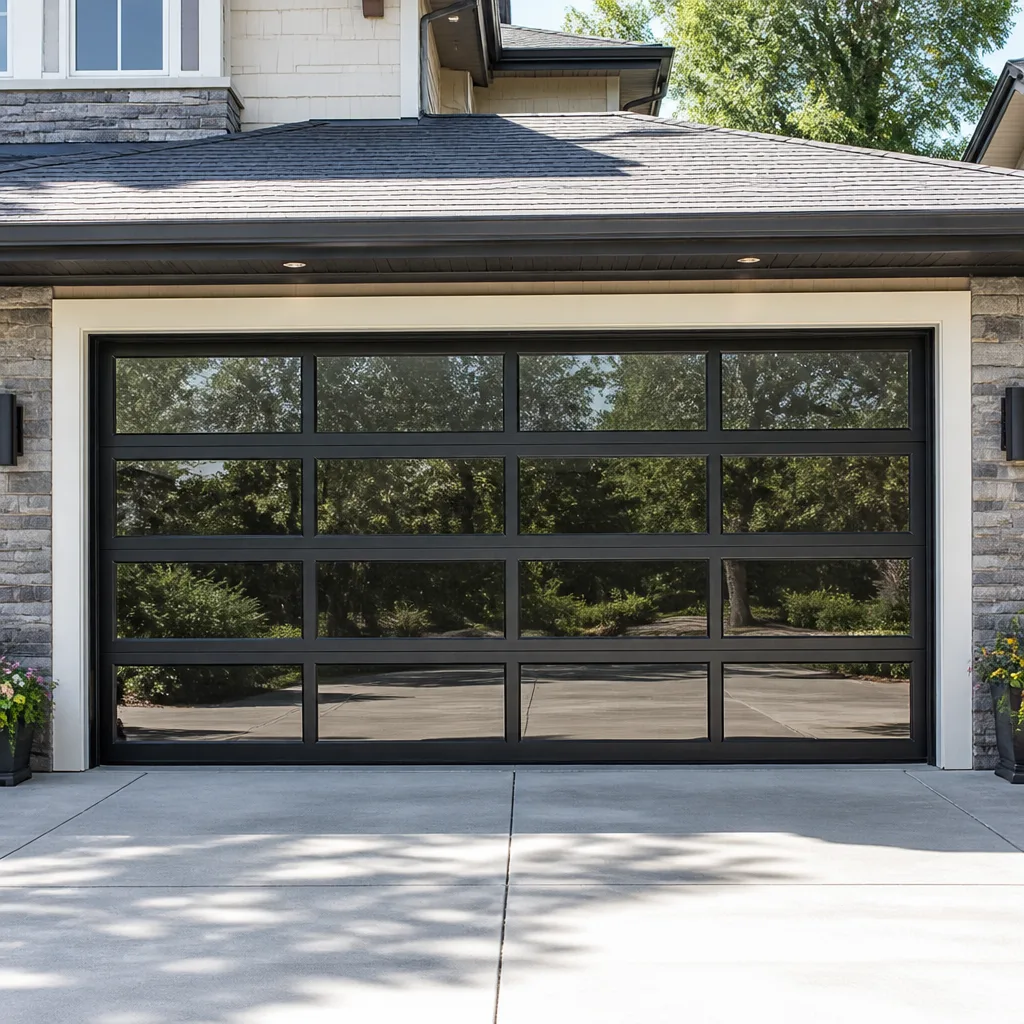 Full-view glass
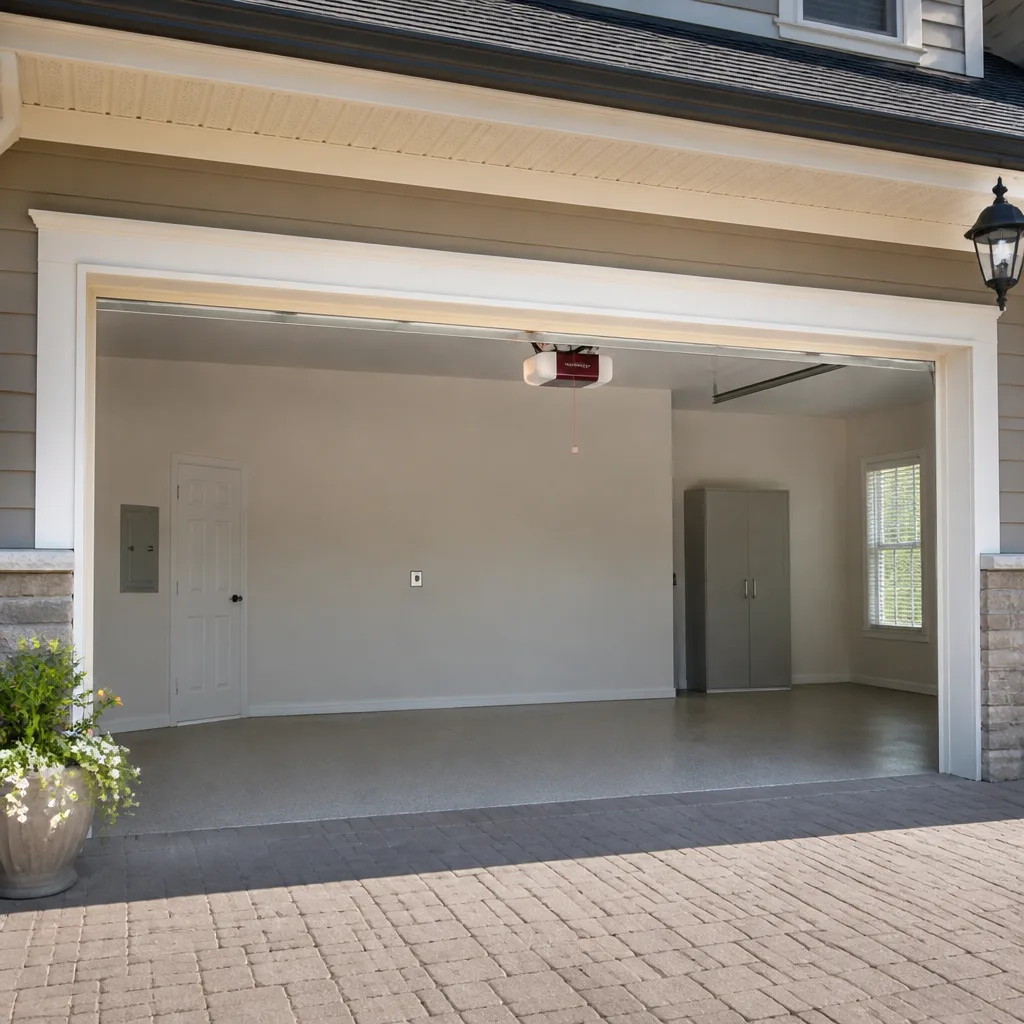 LiftMaster openers
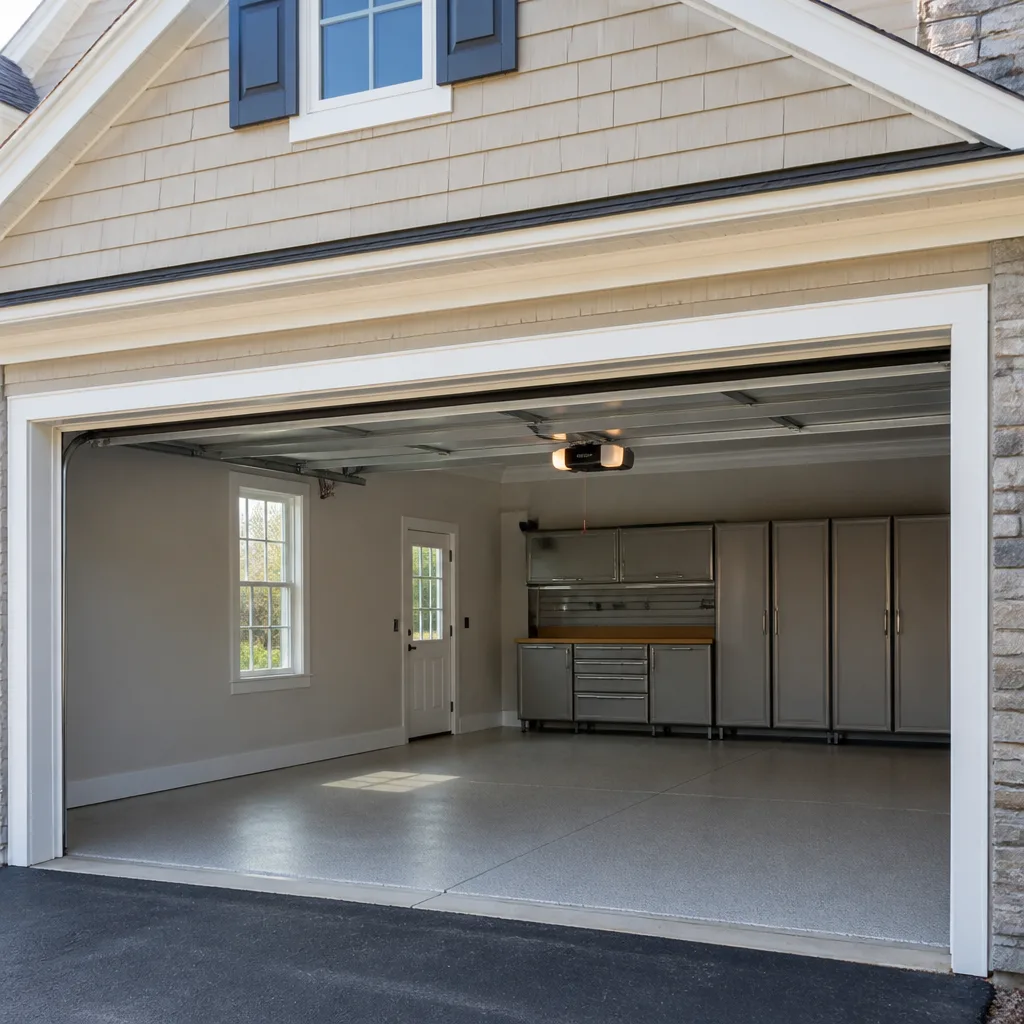 Chamberlain openers
Full 25-point door and opener safety check with every visit - springs, cables, rollers, tracks, and your LiftMaster or Chamberlain opener included
You get a price before we start. It does not change when the pro arrives.
Get your free estimateGarage Door Emergency Preparedness Guide for Chico Homes
Most homeowners treat a garage door like a wall with a motor, until the afternoon it stops moving with the car trapped inside and the house sitting open to the street. The keyed entry door was never part of the weekend plans here. In Chico, that afternoon has a certain pattern: wind, smoke, a stressed grid, and then a garage that won’t answer. Operating the manual release is the one skill that turns this from a crisis into a ten-minute inconvenience, and the trick is learning it before you need it. This guide covers the pre-season checklist, the step-by-step release, the backup options, and the smoke-and-debris protocol we’ve seen pay off on this side of the valley.
Quick Answer
The most important thing you can do to prepare your garage door for a Chico emergency is learn to use the manual release correctly, test it twice a year, and have the door, springs, and opener inspected before fire season starts. During a power outage, pull the release cord with the door fully closed, disconnect the opener, and lift the door by hand with both hands; the door should feel light, and if it doesn’t, the springs need attention. Keep a phone number saved for a certified technician and have your brand, model, and symptom noted so the call is quick. Call (833) 946-9124 for a free estimate.
Table of Contents
- Why Chico Homes Face a Unique Garage Door Risk
- Before the Season: The Garage Door Preparedness Checklist
- How to Use the Manual Release on a Power Outage
- Brand-by-Brand Manual Release Notes for the Openers in Chico Homes
- Battery Backup Openers: What Works and What Doesn’t
- Securing a Garage That Can’t Be Powered Closed
- Post-Wildfire Smoke and Debris Inspection Protocol
- Emergency Contact Protocol: What to Have Ready
- Common Mistakes to Avoid
- When to Call a Professional
- Frequently Asked Questions
- The Bottom Line
Why Chico Homes Face a Unique Garage Door Risk
Chico has a weather pattern that puts garage door hardware to work harder than the map suggests. Summer heat settles in for weeks, which stresses springs and opener capacitors that were never meant to cycle dozens of times a day in 100-degree plus ambient temperatures. Then wildfire season arrives, and with it the planned grid interruptions aimed at reducing fire risk. When the power goes off for a multi-day event, doors that were already leaning on tired springs and aging opener logic boards don’t just sit idle. They become the front line of your home’s access and security. The garage is often the largest door on the house and the most-used entry point. When it stops working in a Chico neighborhood, utility, access, and security all fall on the same problem at once.
Heat, smoke, and power loss in sequence
What makes Chico different from, say, a coastal California town is the sequence. The heat weakens components, the smoke settles into tracks and weather stripping, and the power loss finishes what the heat started. That’s why our team treats Chico as a place where garage door maintenance is seasonal homework, not just a fix-when-it-breaks item. Homeowners in neighborhoods like the Avenues, Chapman, and along the Lindo Channel can prepare with the same protocol.
The two-minute monthly cycle test
Open and close the door once a month and listen. A soft, even hum with the door moving smoothly is normal. A hesitation at the midpoint, a grinding sound, or a shudder as the door reaches the floor are all early signals of a failing spring or worn opener gear. Catching that before fire season is cheaper and easier than catching it during a blackout.
Before the Season: The Garage Door Preparedness Checklist
Preparedness in Chico starts well before the first heat wave and the first smoke advisory. The checklist below is what our technicians run through with homeowners who ask us how to get ready for a possible outage.
Monthly and seasonal quick checks
- Test the manual release handle once a month with the door closed, then reset it and confirm the opener re-engages.
- Inspect the springs visually. Look for gaps, rust, or a stretched coil on either side of the door.
- Wipe the photo-eye lenses on the opener and confirm the door reverses when you pass a hand between them.
- Listen for a grinding or a fast, uneven hum. That’s often a sign of a failing gear or a capacitor on the way out.
- Clear debris from the tracks; in Chico, dry leaves and palm fronds can wedge in the channel during wind events.
- Check weather stripping for cracks that let smoke and dust inside during fire season.
The annual pre-season checklist
- Schedule a professional tune-up in spring, before the heat settles in.
- Have the springs tested for tension and cycle count.
- Ask about the opener’s age and the logic board’s capacity.
- Confirm the manual release works, then re-engage.
- Test any battery backup unit (if installed) at the wall console.
- Store a printed checklist in the garage and a PDF on your phone.
Homeowners who pair this checklist with a seasonal garage door repair visit are set up to ride out a planned outage without scrambling. The visit isn’t a sales call; it’s a chance to catch a tired spring before it chooses the worst possible moment to break.
How to Use the Manual Release on a Power Outage
Manual release is the single most important skill every Chico homeowner should practice. It’s also the most misunderstood. Pulling the red cord alone won’t lift a door under full spring tension, and that’s where a lot of people get surprised. Here’s how the release actually works and how to operate it safely.
What the manual release actually does
When you pull the release cord, you’re disconnecting the opener’s trolley from the door’s carriage. That lets the door move by hand without pushing back against the opener motor. The springs are still doing their job, holding most of the door’s weight so it can be lifted and lowered with one hand. If the springs are weak or broken, the door becomes very heavy very quickly, and that’s when pulling the cord and lifting the door can cause injury. That’s the part most guides skip. A practiced hand on a healthy door feels like lifting a few pounds. A door with a tired spring can suddenly weigh much more, and the strain is real.
Step-by-step manual release
- Close the door fully if it isn’t already, and make sure nobody is standing under it.
- Locate the release cord, usually a red T-handle hanging from the opener rail.
- Pull straight down and toward the door, not out toward the street.
- Disconnect the door from the opener by hand and let the carriage slide free.
- Lift the door by hand with both hands, slowly. If it feels very heavy, stop and call a technician; the springs need attention.
- To re-engage, run the opener to the full-open position and pull the carriage back until it snaps onto the trolley.
What to do if the door won’t re-engage
If the door moves freely but the opener won’t reconnect, the trolley may be misaligned with the opener’s end-of-travel position. Run the opener to full open, then full close, and try again. On a few older units, the re-engage mechanism gets sticky after a long idle and needs a technician’s hand to seat properly. In that case, keep the door disconnected and operate it manually until a technician can look at it.
The safety caveat
The springs and the overhead torsion bar are under heavy tension, and working on them without training is dangerous. The manual release is a homeowner task. Spring, cable, and trolley adjustments are not. Leave that to a trained professional and book the repair through a garage door opener repair call when the opener rather than the door is the problem.
Brand-by-Brand Manual Release Notes for the Openers in Chico Homes
Chico homes carry a range of opener brands, and the manual release has small but important variations. The most common units we see across Chico are LiftMaster, Chamberlain, Genie, and Craftsman, with some Wayne Dalton units and the occasional Raynor. The release cord is always red or red-tagged, but the trolley mechanism and the re-engage point can differ, which matters when you’re on a ladder in the dark.
LiftMaster and Chamberlain
On most LiftMaster and Chamberlain units, the release cord connects to a carriage with a pull tab. The re-engage is a firm pull toward the door, and you’ll hear a click when the carriage locks onto the trolley. If your model came with the newer, chain-and-cable arrangement, the pull direction is the same. The re-engage step is the one that gets fumbled on a dark night, so practice it during daylight once.
Genie units
Genie releases are similar but the trolley sits on a screw-drive rail on some models, which means the carriage needs to be pushed firmly into the trolley until the lock tabs click. If the door feels loose after re-engagement, the tabs may not be fully seated. Run the door up and down once to confirm.
Craftsman units
Craftsman openers used the same basic release design across a lot of models. The carriage on most of these needs to be pushed back toward the opener until it clicks. On cold nights, the carriage can stick; a small push with a gloved hand usually frees it, but if it doesn’t, that’s a technician call.
Wayne Dalton and Raynor
Wayne Dalton and Raynor installations vary because they’re often paired with the door manufacturer’s own hardware. If the release cord feels too short to reach safely, or if the re-engage point is hidden behind the rail, take a photo on the next service visit so you know exactly where to pull.
What to write down before the outage
- Opener brand and model number (on the label under the light cover or on the back of the head unit).
- Type of drive (chain, belt, screw, or jackshaft).
- Where the release cord hangs and where the re-engage point sits.
- Date and result of the last manual release test.
A photo of the label saved to your phone takes 30 seconds and saves 15 minutes on the call. Our team is Chico‘s brand-agnostic specialist for the eight major brands, including LiftMaster, Chamberlain, Genie, Clopay, Amarr, Wayne Dalton, Craftsman, and Raynor, so a call with a model number in hand turns into a diagnosis, not a guessing game.
Battery Backup Openers: What Works and What Doesn’t
Battery backup is the single biggest upgrade for a Chico home facing planned outages. The good news is that a lot of openers already support it. The bad news is that “supports it” and “works with your existing hardware” aren’t the same thing.
Which units can work with what you have
- Modern LiftMaster and Chamberlain units often accept a battery backup unit, either built into the head unit or available as an add-on that plugs into the same opener.
- Genie offers battery backup on several recent models, again with an add-on or built-in option.
- Craftsman units from the last several years often have the connection point for a backup unit; older ones do not.
- Older openers with no backup connection point need full replacement if you want backup capability.
Which units require full replacement
If the opener head unit wasn’t designed for a backup, there’s no clean add-on that meets the safety requirements. A backup that doesn’t match the opener’s logic can leave the door in a state where it opens partway and stops, which is worse than no backup at all. In our experience, a Chico homeowner with an opener more than a decade old will usually get more value from a full replacement than from chasing a backup unit that fits an obsolete model. When that’s the case, it’s worth the separate call to walk through options.
What to expect from a backup in practice
A backup unit is designed for a limited number of cycles, not for running the door all day during a multi-day outage. Plan on two to four openings per day as a realistic ceiling. Keep a physical release plan for the rest of the outage. Battery backup is a protective bridge, not a replacement for the manual release.
The backup checklist
- Check the head unit for a backup connection point before you buy anything.
- Confirm the backup matches your opener brand and model.
- Test the backup by pulling the breaker with the door closed; the door should open fully from the wall console.
- Keep the backup battery charged by leaving the opener powered; a drained battery defeats the purpose.
- Re-test the backup every six months.
Securing a Garage That Can’t Be Powered Closed
If the door is stuck open during an outage and can’t be powered closed, security matters as much as access. A garage open to the street for several days while you wait on repairs is a real problem in a Chico neighborhood, and it’s solvable with a few basic steps.
From the inside
- Lower the door by hand to the floor if the springs allow it.
- Slide a temporary locking bar or a brace through the track above the roller to keep the door from being lifted from outside.
- Block the tracks with a wooden wedge at floor level, thick enough to stop upward motion.
- Lock the interior entry door between the garage and the house.
From the outside
- If the door is fully closed but unlocked, add an exterior slide lock where the door manufacturer allows one.
- If the door is open and can’t be closed, call a technician the same day rather than trying to force it down.
- Photograph the door position for the technician and for any insurer conversation.
- Avoid propping the door with a tool that could shift; use the manufacturer-approved method.
A short-term fix on the manual release is fine. A short-term fix on the springs or the tracks is not. If the door won’t close by hand and the obstruction isn’t obvious, that’s the point to call a professional rather than force it.
Post-Wildfire Smoke and Debris Inspection Protocol
Smoke and ash from a Chico-area wildfire event settle into places that are easy to miss. Before you resume normal door operation, do a quick inspection of the door, tracks, and opener area. The goal here is to catch debris before it wedges, not to diagnose a repair; a technician handles the repair side.
What smoke and ash actually affect
- Weather stripping absorbs smoke and can crack or lose its seal.
- Tracks collect fine ash, which mixes with lubricant and turns into a paste.
- Photo-eye lenses fog up and stop communicating with each other.
- Springs exposed to ash and heat can show new surface rust or stress marks.
- Opener logic boards can be affected by airborne dust and heat stress together.
The inspection protocol
- Walk the length of the door and look at the weather stripping on both sides.
- Inspect the tracks for ash buildup and wipe the surface, not the interior channel, with a dry cloth.
- Wipe the photo-eye lenses and confirm the door reverses with a hand pass.
- Run the door one full cycle and listen for grinding or hesitation.
- Check the springs visually for new rust or gaps.
- If any of the above looks off, note it on your phone and call a technician.
When the door is attached to a smart opener
Most modern LiftMaster and Chamberlain units with smart capability can report an obstruction or an error code through the app. If a code appears during a post-smoke check, don’t reset it blindly; the code usually names the problem, and a technician can read it in seconds.
Emergency Contact Protocol: What to Have Ready
In the hours after a wildfire or a long outage, call volume spikes, and the fastest call is the one that starts with the right information. Have this ready before you dial.
What to have ready before you call
- Your address, including the cross street; Chico’s older neighborhoods can be tricky to find from a phone alone.
- Opener brand, model number, and drive type from the label under the light cover.
- A one-sentence description of the symptom: won’t open, opens partway, opens and closes on its own, opens with the manual release but not the opener.
- The result of your last manual release test (date and whether it worked).
- Whether the door is currently closed, partially open, or stuck open.
- A photo of the door position, the opener label, and any error code on the display.
When you call
We answer 24/7. Fast dispatch from 7am to 7pm, Sunday through Friday. Same-day service is available for most repair calls. The price is set per job by the written estimate, and the estimate is free.
What happens after you call
- We take the brand, model, and symptom and check the likely cause.
- We confirm a time window and send a technician.
- On-site, the technician inspects the door, springs, tracks, and opener.
- You get a written estimate before any work starts.
- The technician repairs, replaces, or advises, and you approve the written price first.
Common Mistakes to Avoid
- Pulling the release cord without checking the springs. If the springs are tired, the door will feel much heavier than expected and can drop fast. Have the springs tested before you practice the release.
- Leaving the trolley disconnected and forgetting about it. A door left in manual mode for weeks is fine, but someone will eventually hit the wall console and wonder why the door doesn’t move. Re-engage the trolley the same day if the power returns.
- Running the door with ash in the tracks. Fine ash and lubricant turn into a paste that wears the rollers. Wipe the tracks dry before the first cycle after smoke settles.
- Assuming battery backup means unlimited cycles. Backup is designed for a handful of openings, not a full day of errands. Test it, then use it sparingly.
- Ignoring the photo-eye alignment. A misaligned eye that looks fine in daylight can fail at night when the sensor reacts differently. Test with the lights off during the monthly check.
- Forcing a door that won’t close past an obstruction. If the door stops on the way down and the obstruction is unclear, call a technician rather than forcing it. The tracks or the bottom panel can bend and turn a small repair into a bigger one.
- Calling without the model number. In the middle of a regional demand spike, a call with the brand and model in hand moves much faster than a call without them.
When to Call a Professional
Call a technician when the door feels heavy on manual release, when a spring shows a visible gap or new rust, when the door opens partway and stops, when the photo eyes won’t communicate after a wipe-down, or when a smoke event has left the tracks and weather stripping in a state you’re not sure about. Call when the opener hums but the door doesn’t move, when the trolley won’t re-engage after the power returns, or when you want a battery backup installed on an opener that wasn’t clearly designed for one. Garage Door Repair Chico offers free estimates in Chico, and our technicians have up to 11 years of experience across the eight major brands. Call (833) 946-9124. We answer 24/7.
Frequently Asked Questions
Close the door fully, locate the red release cord, pull straight down, and lift the door by hand. If it feels very heavy, stop and call a technician, because the springs may need attention. Call (833) 946-9124 if you want a technician on-site same-day. We answer 24/7, and estimates are free.
Only if the opener has a backup connection point, which most modern LiftMaster, Chamberlain, Genie, and Craftsman units do. Units that weren’t designed for a backup need full replacement to add one. Call (833) 946-9124 for an exact quote; estimates are free.
Lower the door by hand if possible, brace the tracks from the inside with a wooden wedge or locking bar, and lock the interior door between the garage and the house. If the door is open and can’t be closed, call a technician the same day. Call (833) 946-9124 for same-day help.
Yes, the manual release is designed for continued use, but the door must feel light when you lift it. If the springs are weak, the door can drop or become too heavy to control. Have the springs tested before you rely on manual mode. Call (833) 946-9124 for a free estimate on a spring inspection.
Lift the door by hand with the opener disconnected and the door fully closed. If it lifts with light pressure and stays where you leave it, the springs are healthy; if it feels heavy or drops fast, they’re not. Call (833) 946-9124 if you’re not sure, and we’ll test the spring tension on-site. Estimates are free.
They’ll ask for your address, opener brand and model, drive type, symptom, and the result of your last manual release test. They’ll also ask whether the door is closed, partially open, or stuck open. Call (833) 946-9124 with that ready and the call moves quickly. We answer 24/7, with fast dispatch from 7am to 7pm, Sunday through Friday.
The Bottom Line
Chico’s heat, smoke, and planned outages put garage doors under real pressure, and the difference between a ten-minute interruption and a week of security worry is preparation. Learn the manual release, test it twice a year, know which of your opener’s brand’s features apply to your model, and have a battery backup plan if you want one. Run the smoke-and-debris inspection before the first cycle after an event. Keep a phone number and a note with your model, brand, and symptom ready before the power goes out. Call (833) 946-9124 for a free estimate. We answer 24/7. Fast dispatch from 7am to 7pm, Sunday through Friday, and same-day service for most repair calls.
Written by the team at Garage Door Repair Chico.
Styles & brands we work with
- Raised-panel steel
- Carriage house
- Modern flush
- Full-view glass
- LiftMaster openers
- Chamberlain openers
See the difference
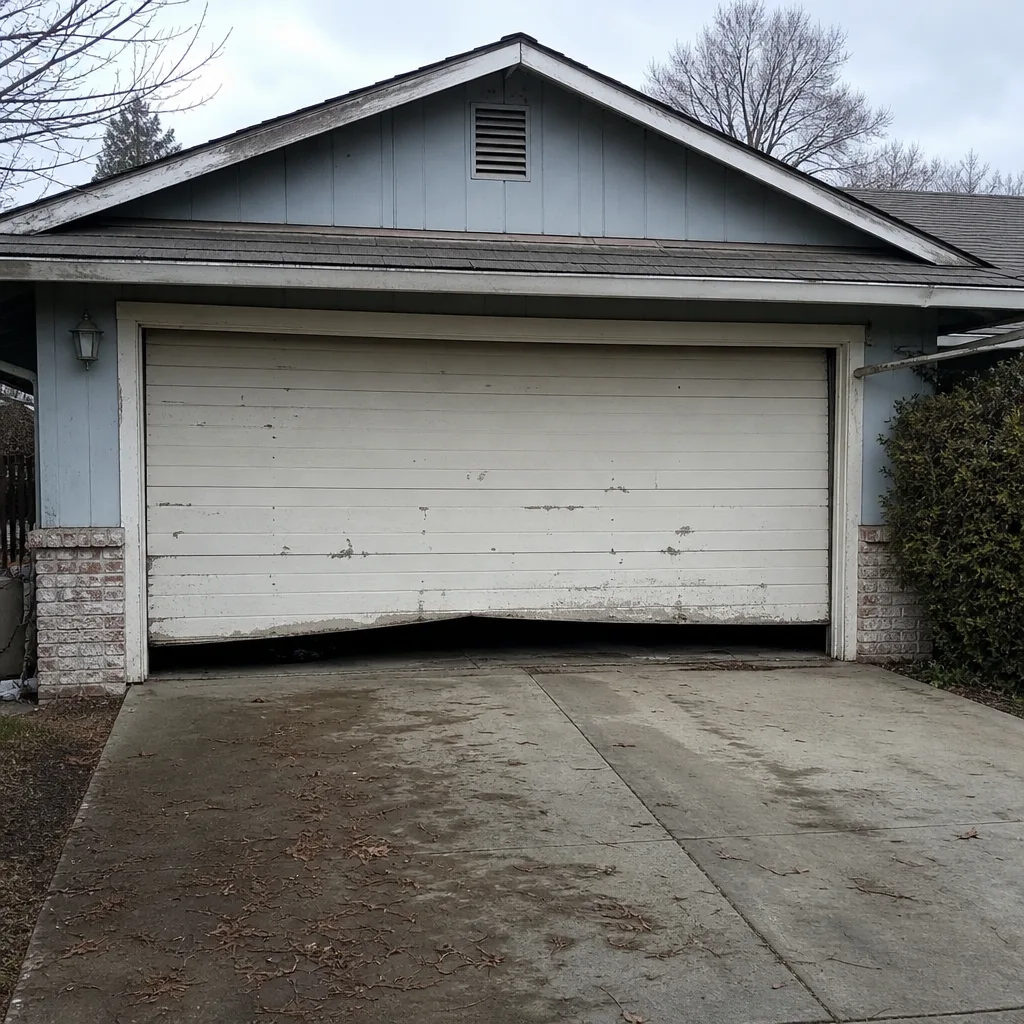 Before
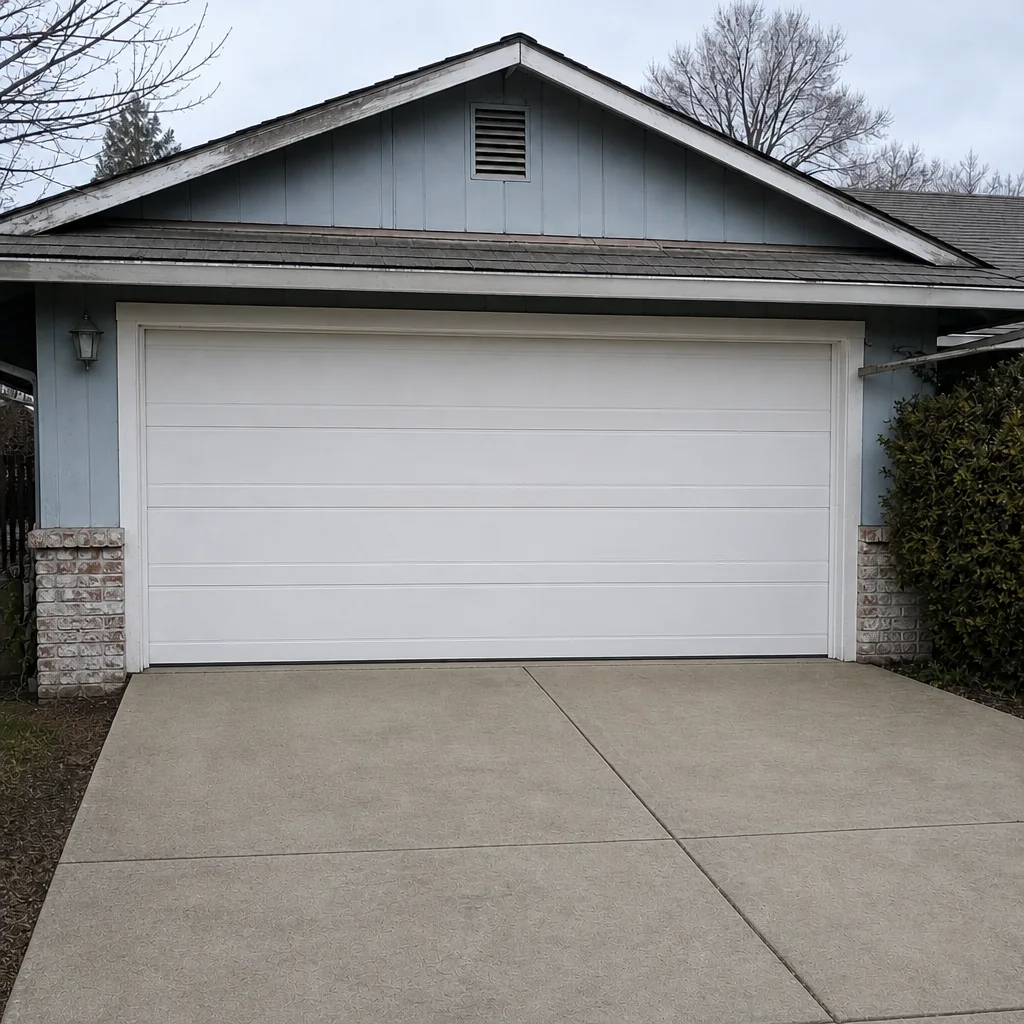 After
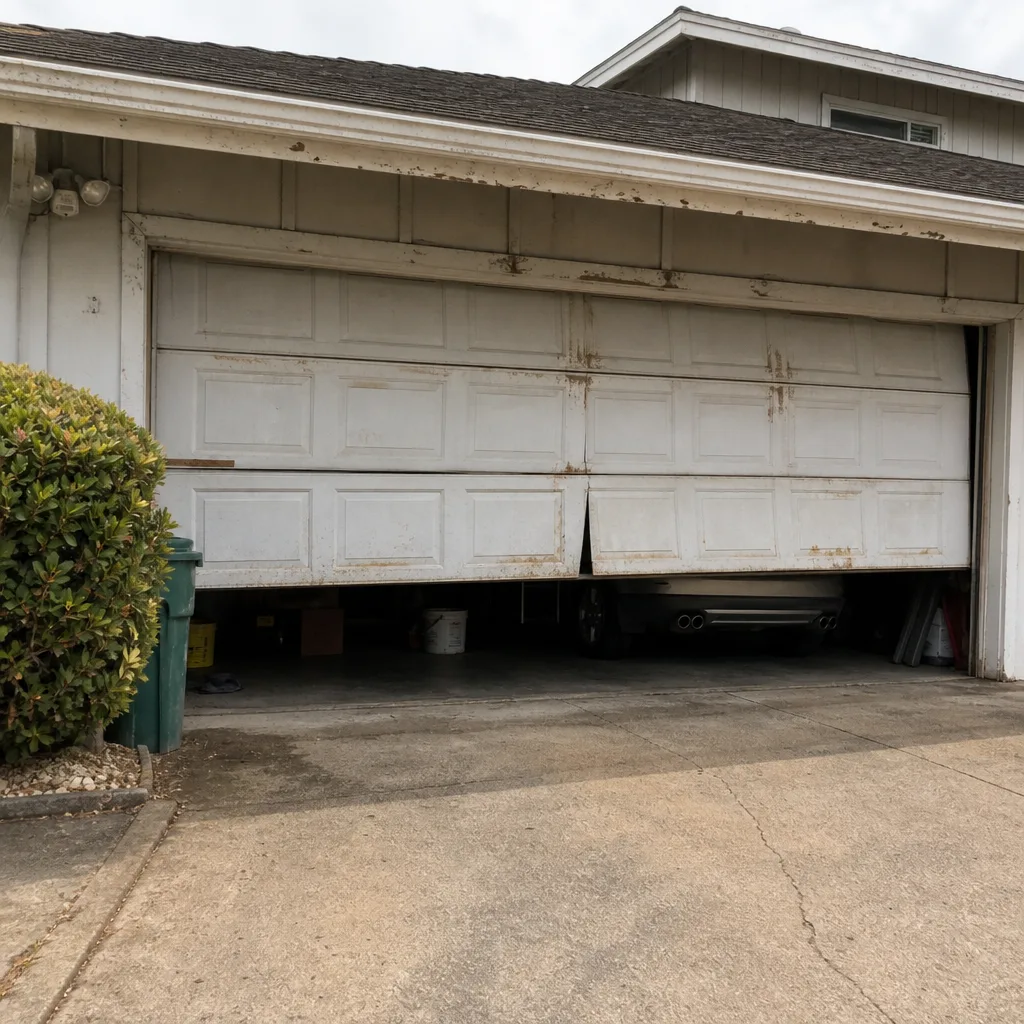 Before
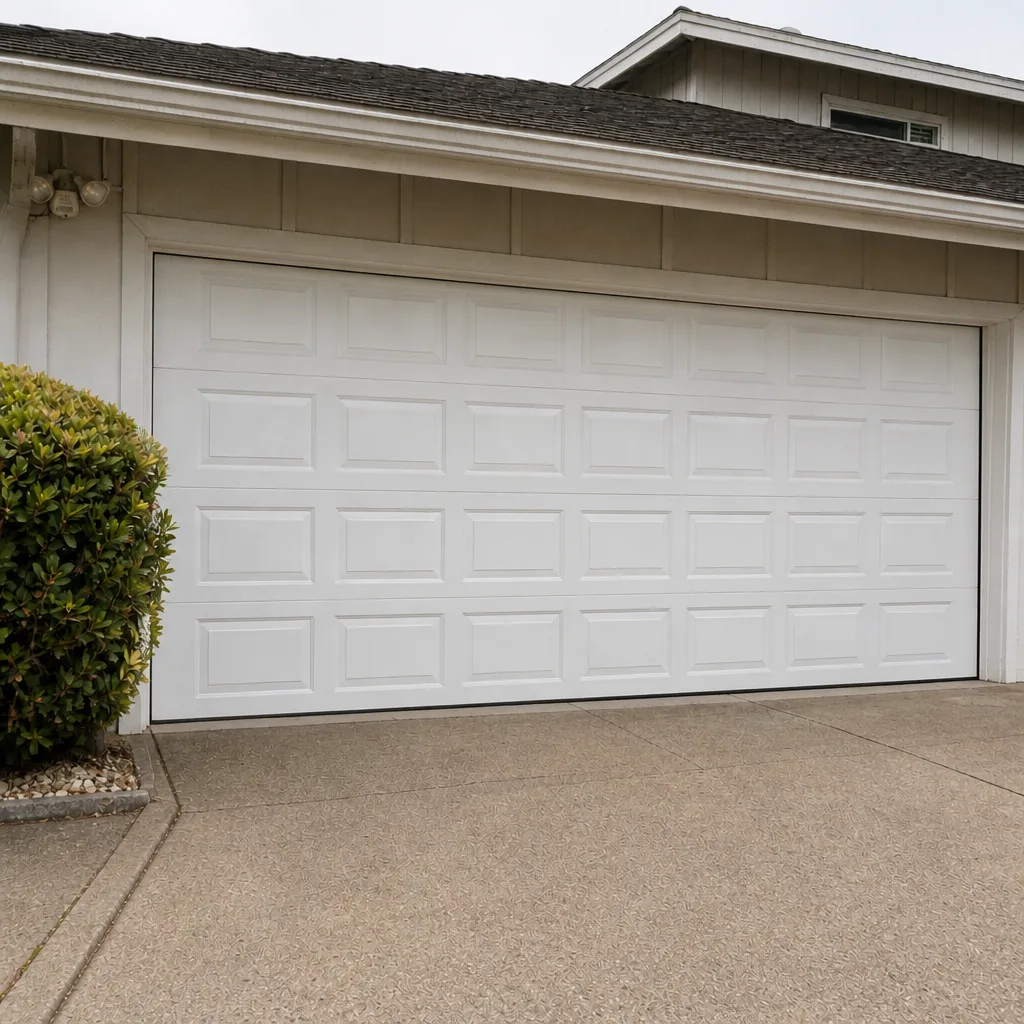 After
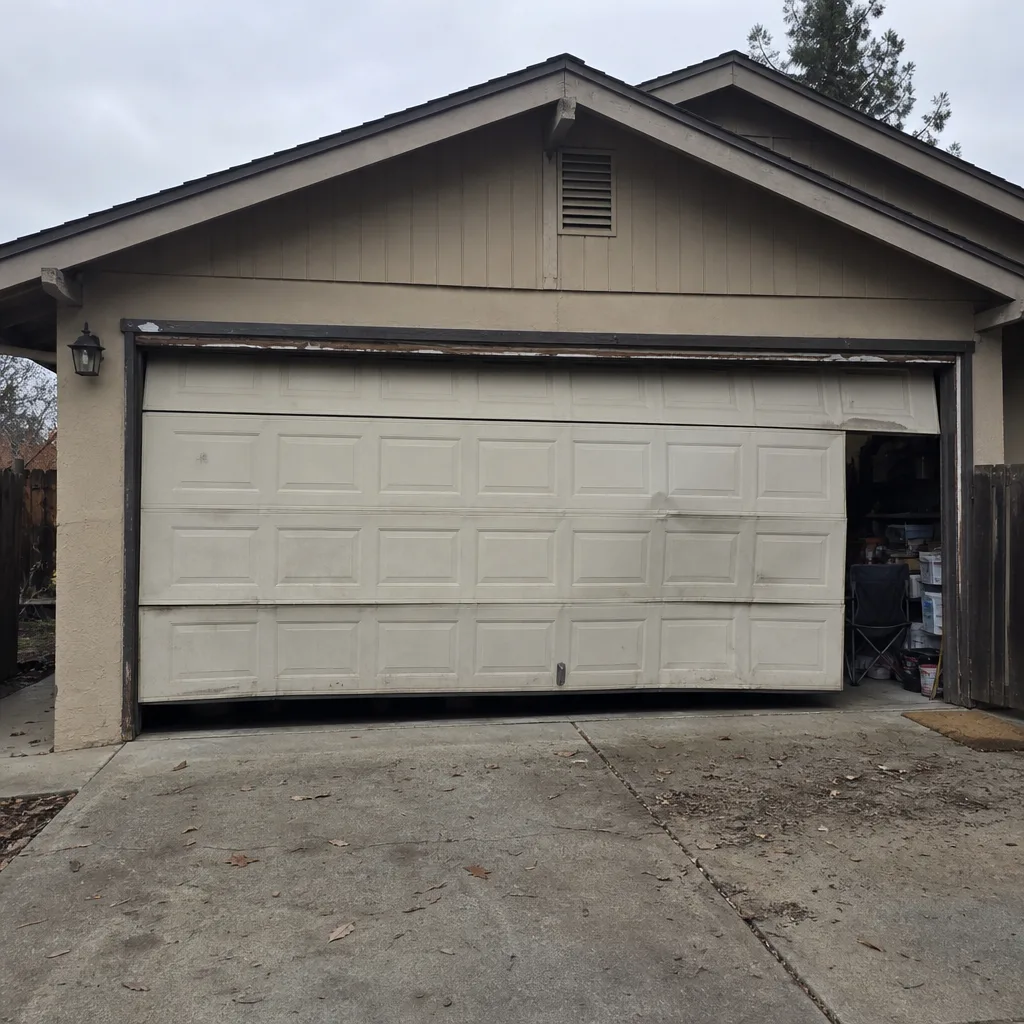 Before
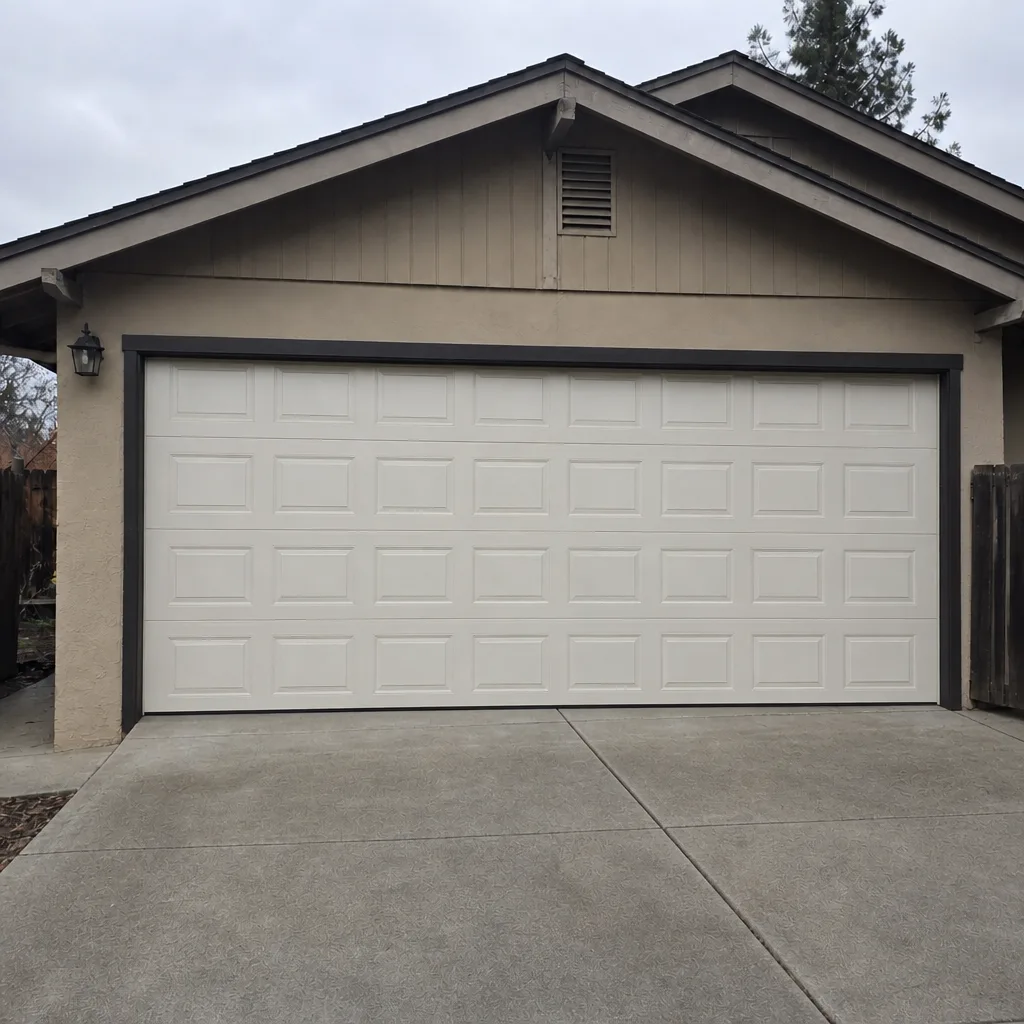 After