
Last updated November 15, 2026
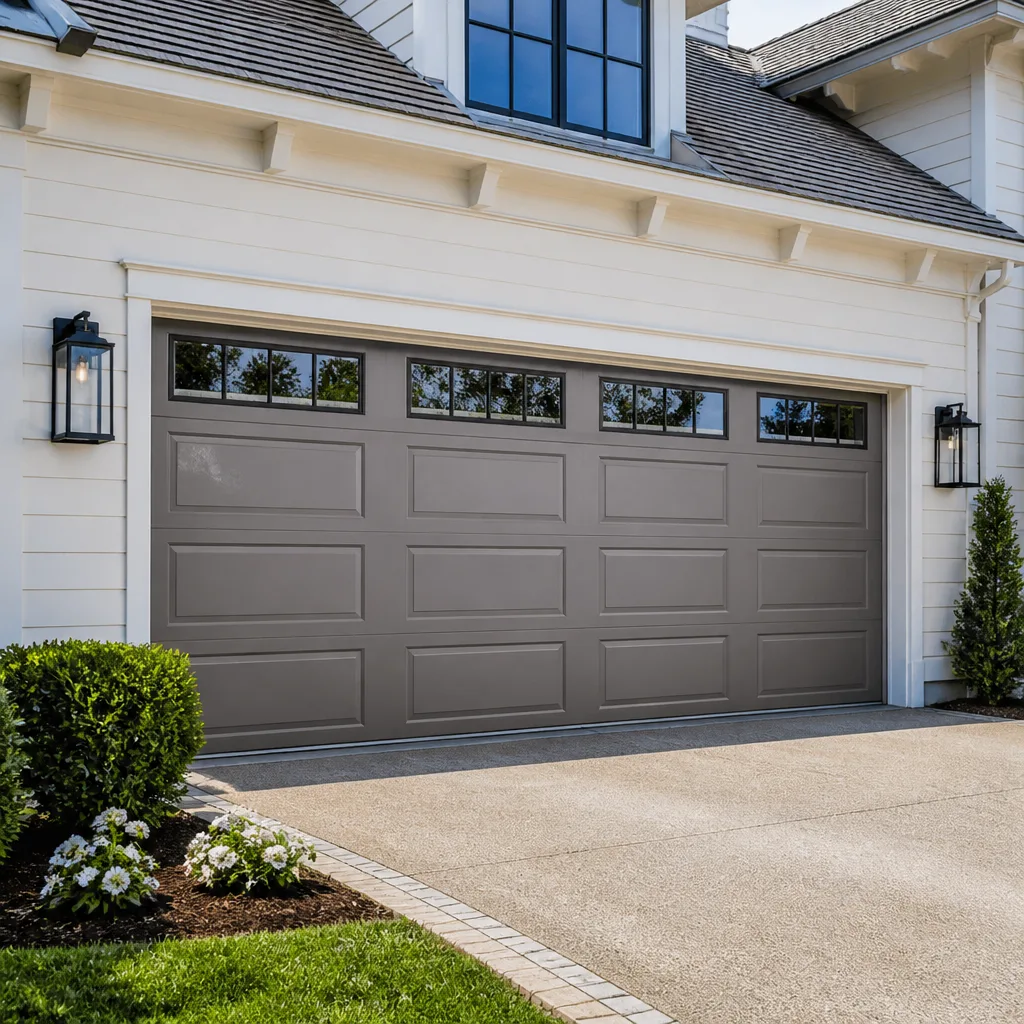 Raised-panel steel
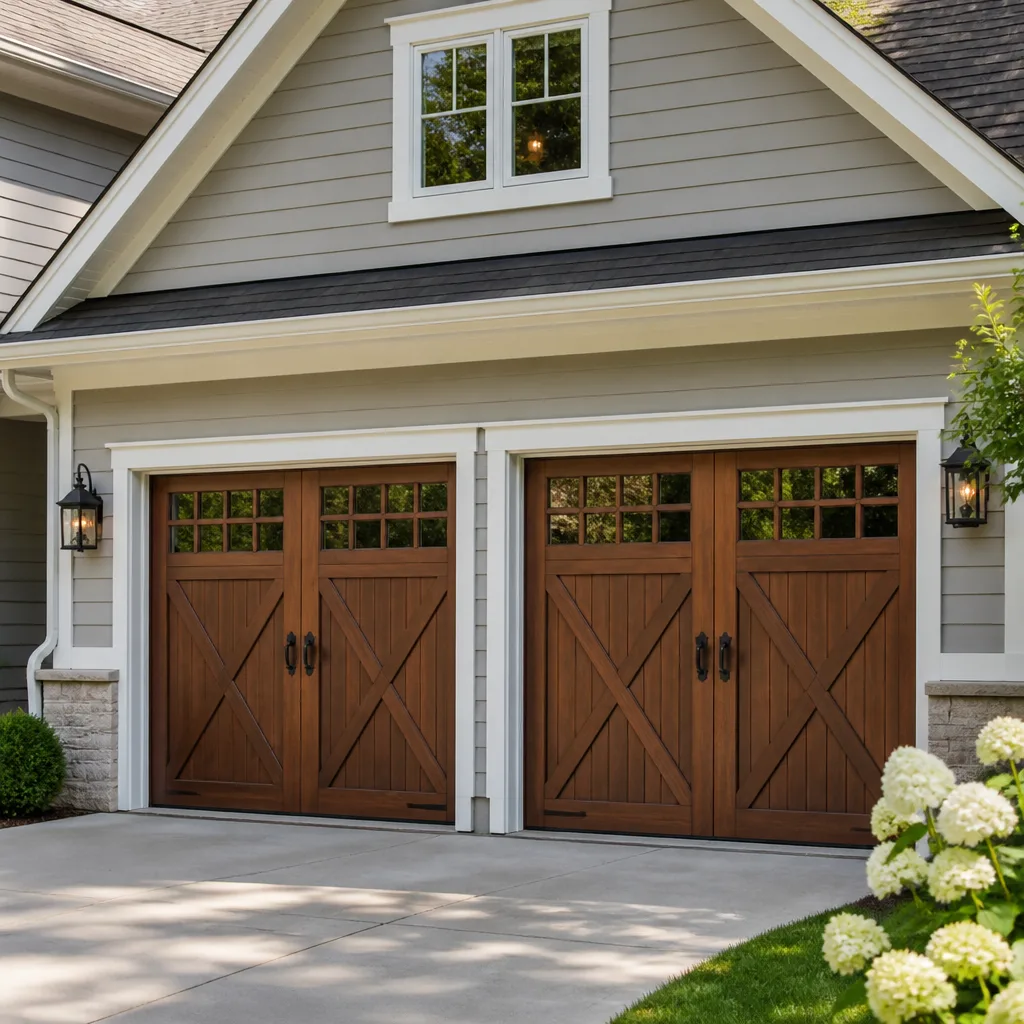 Carriage house
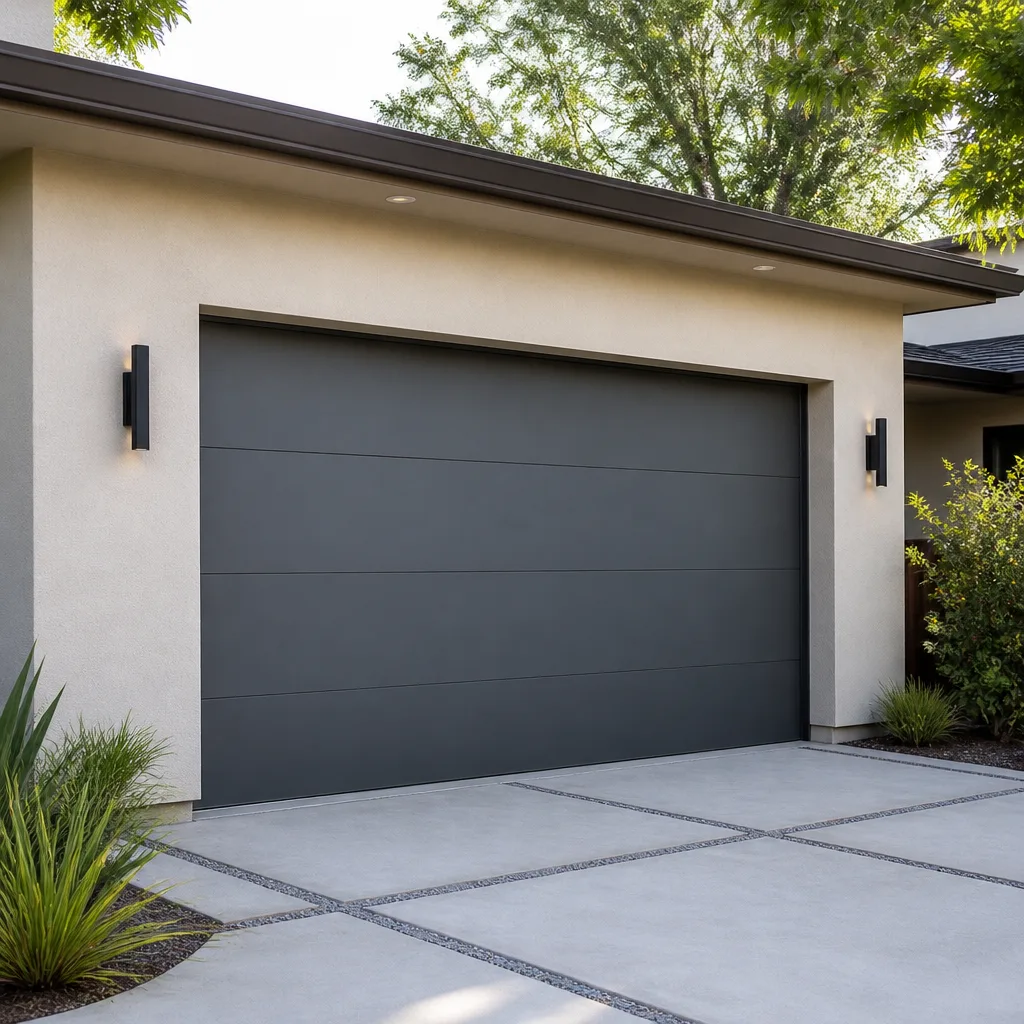 Modern flush
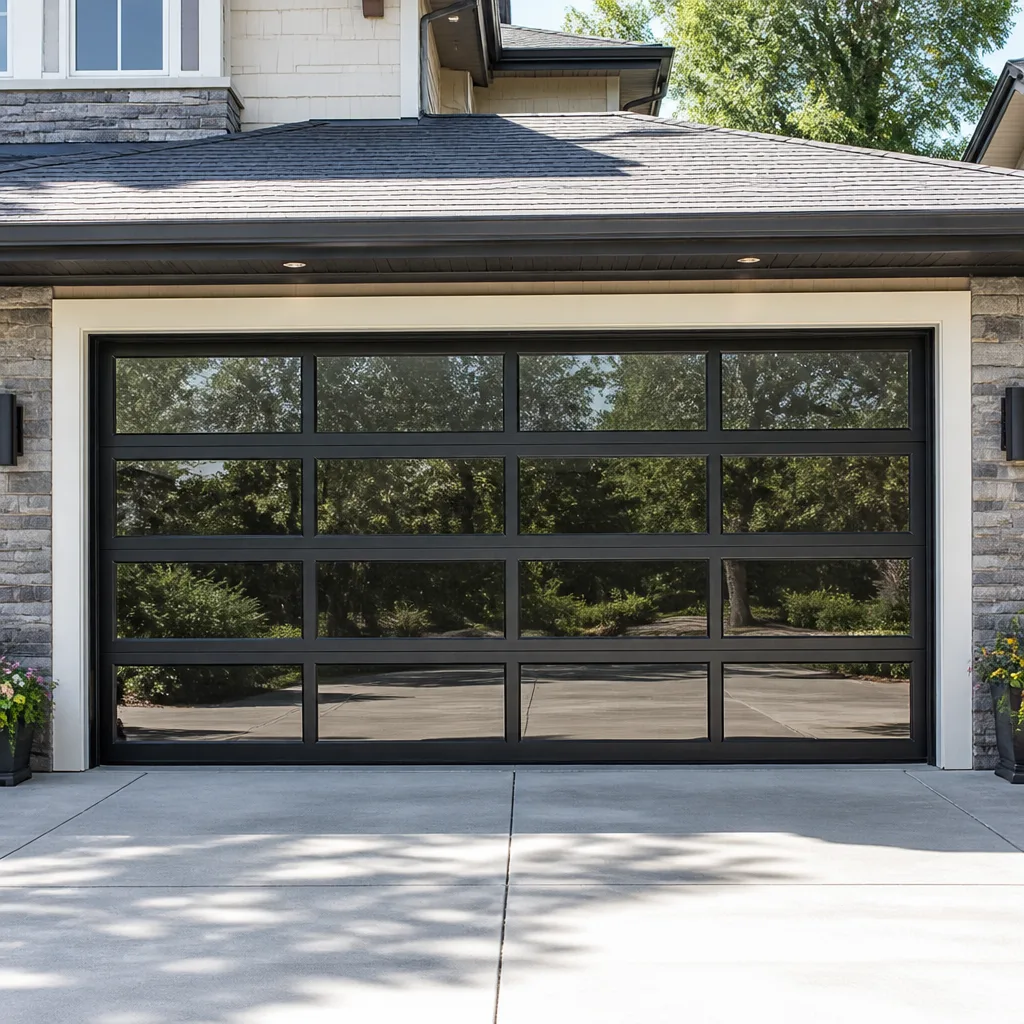 Full-view glass
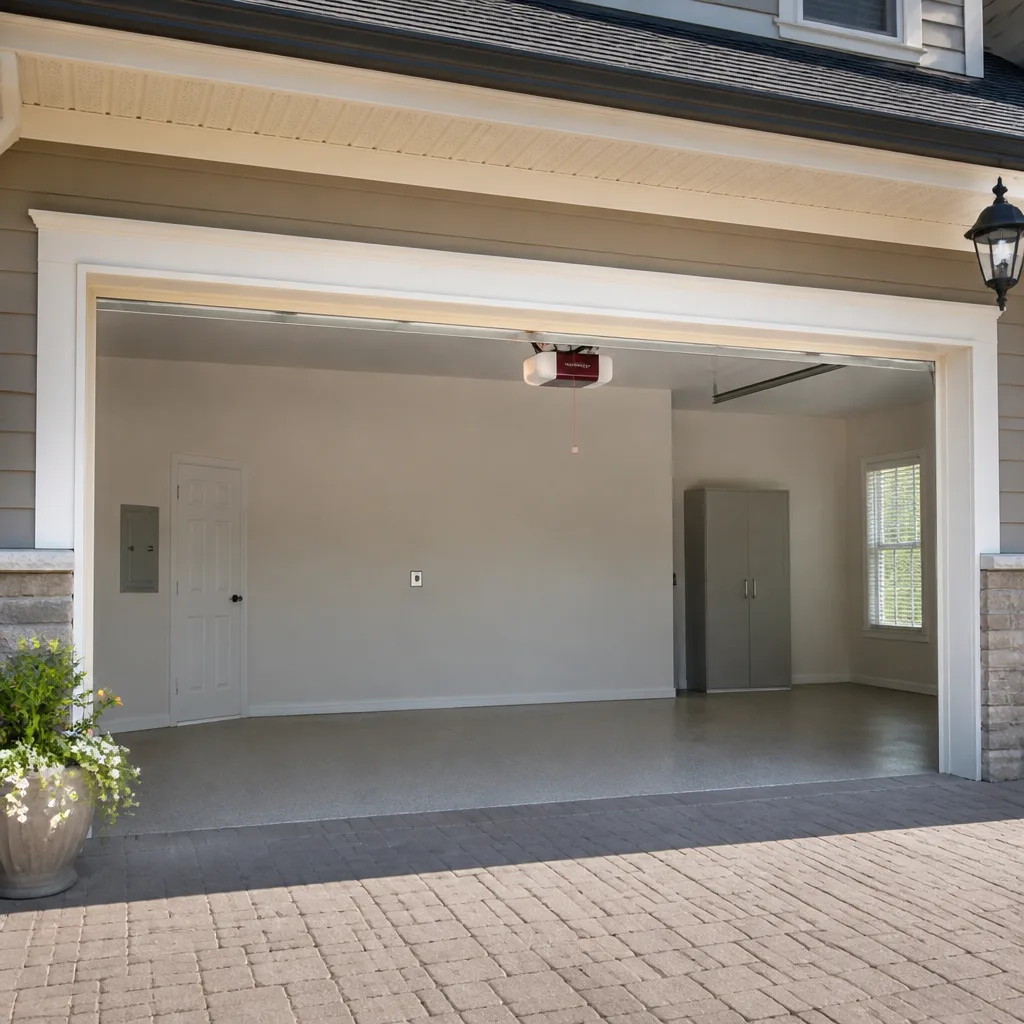 LiftMaster openers
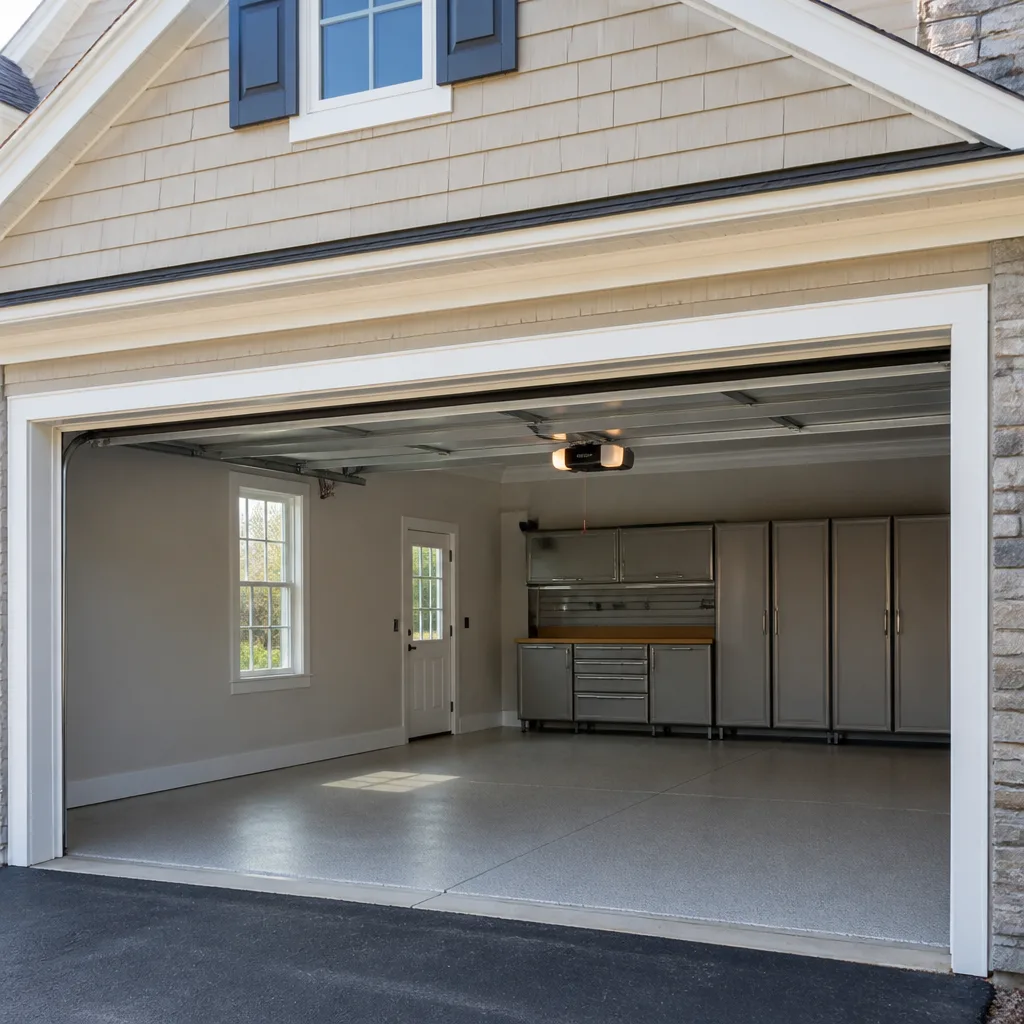 Chamberlain openers
Full 25-point door and opener safety check with every visit - springs, cables, rollers, tracks, and your LiftMaster or Chamberlain opener included
You get a price before we start. It does not change when the pro arrives.
Get your free estimateGarage Door Warning Signs: A Chico Homeowner’s Reference Guide
A door that hesitates for a second before it opens and a door that reverses on its own can feel like the same minor irritation. They aren’t close. One is often a quick adjustment. The other is a moving slab of glass and steel that can trap a person or a pet underneath it. The symptoms look small and sound small, but what sits behind them ranges from harmless to hazardous. Our technicians have up to 11 years of experience reading exactly these differences, and this guide is how we explain them to homeowners across Chico: what each warning sign actually means, how urgent it is, and whether you’re looking at a small fix or a much bigger bill if you wait. Read it once and you’ll know what to act on today and what can hold until your next service.
Quick Answer
Garage door warning signs range from low-urgency noise and vibration to urgent safety failures, and the way to sort them is by what happens if you ignore them. Sluggish openers and cosmetic vibration in Chico summer heat usually fall into the monitor tier. A door that reverses unexpectedly, a visible fray on a cable, or a bent panel that binds the track belongs in the act-today tier. The guiding rule: anything that touches a spring, cable, or the door’s reversal safety function gets treated as urgent, because those are the parts that hurt people when they let go.
Styles & brands we work with
- Raised-panel steel
- Carriage house
- Modern flush
- Full-view glass
- LiftMaster openers
- Chamberlain openers
Table of Contents
- A Three-Tier Urgency System for Warning Signs
- The 10 Most Common Warning Signs, Ranked
- Why Chico’s Summer Heat Creates Its Own Warning Signs
- Noise That’s Annoying vs. Noise That’s Danger
- Safe Visual Checks You Can Do From the Ground
- Opener Problem or Door Problem? Why the Difference Matters
- When to Call a Professional
- Frequently Asked Questions
A Three-Tier Urgency System for Warning Signs
Garage door symptoms sort cleanly into three tiers, and the tier matters more than the symptom itself. A grinding noise is a nuisance in one place and a warning of cable failure in another. The tiers are built around two questions: does this involve a safety-critical part, and does waiting make the repair structurally bigger?
Tier 1: Address immediately. Signs in this tier involve springs, cables, the reversal test, or anything that could drop the door. A door that reverses on its own during closing is not a minor quirk; the safety reverse feature exists to prevent the door from crushing something in its path, and when it behaves unpredictably, the whole safety chain needs a trained look. We treat this tier as a phone call now, not a to-do list.
Tier 2: Schedule within 30 days. These are functional problems that still work but are trending worse. A slow opener, a single remote that needs a closer press, a slight wobble in the door, a small dent in a panel that hasn’t started to bind. In Chico’s heat, these tend to accelerate, so a 30-day window keeps a small job from becoming a rebuild.
Tier 3: Monitor. Cosmetic rust spots, minor vibration on one side, a bit of squeak in a roller. These don’t threaten safety or your wallet yet. Watch them, note whether they worsen, and handle them at the next service visit.
The order matters. Most guides present a flat list of symptoms and leave the reader to guess which ones bite first. The cost trajectory behind each tier is what changes the decision: fixing a roller early is a small line on a repair, while letting a binding panel tear up a track turns a door repair into a door replacement. Homeowners in Chico should use the tier, not just the symptom, to decide when to call.
The 10 Most Common Warning Signs, Ranked
Here are the ten symptoms we hear about most often, with the tier each one lands in and what’s actually happening mechanically underneath. Use the ranking as a quick sort; use the tier to decide when to act.
- The door reverses unexpectedly during closing. (Tier 1.) The safety reverse feature is misfiring. This is the liability sign in the list, and it needs immediate attention, not a DIY fix.
- A visible fray, kink, or slack in a cable. (Tier 1.) Cables carry the door’s full weight alongside the springs. A fraying cable can snap without much warning, and a snapped cable is a hazard. Look from a distance and never touch the cable.
- A gap, bend, or separated coil on a torsion spring or a stretched extension spring. (Tier 1.) A broken spring leaves the door’s weight unsupported. This is one of the parts that hurts people when mishandled.
- The door doesn’t open or close at all. (Tier 1.) Dead in the water. This can be a spring, a cable, an opener, or power, and it needs a diagnosis.
- Extremely loud bang from the garage. (Tier 1.) A spring snapping sounds like a gunshot. If you hear it, do not run out and try the door by hand.
- The door comes down too fast or slams. (Tier 1.) Something is wrong with the balance or the tension. Falling doors cause injuries.
- The door goes up crooked or binds in the track. (Tier 2.) Usually a roller, cable, or bent panel. Crooked travel wears tracks and rollers fast, so treat it as a 30-day job.
- The opener runs but the door doesn’t move, or the door moves a little and stops. (Tier 2.) Could be a stripped gear, a broken spring, or a misaligned track. A single opener repair or a small door repair fixes most of these, but only after the right side of the system gets checked.
- Sluggish operation in hot weather, or the opener straining. (Tier 2, sometimes Tier 3.) Heat makes the door binding tighter and the opener work harder. Chico summers push this sign up the list.
- Vibration, rattles, or squeaks. (Tier 3.) Mostly lubrication and roller wear. Monitor them and pair the fix with a routine service.
Nothing on this list requires you to touch a spring or cable. Springs and cables are under tension and can cause serious injury even when the door looks fine and even when the door is closed. Treat the visual checks as observations from a safe distance, and leave the actual repair to a trained technician.
Why Chico’s Summer Heat Creates Its Own Warning Signs
Chico summers are hot, and a hot garage does things to a door’s moving parts that homeowners in milder climates never see. The two symptoms that show up in Chico more than anywhere else are a sluggish opener and a door that binds in the middle of the day.
The sluggish opener is usually the drive system. Motors run hotter in a warm garage, and the tolerances inside a belt or chain drive tighten up. On LiftMaster, Chamberlain, Genie, and Craftsman units, we’ve seen plenty of “the opener is dying” calls that turn out to be a worn gear, a tired belt, or a misadjusted travel limit rather than a motor failure. That’s why we diagnose by brand knowledge rather than swapping the opener for a new one. Same call, right part, smaller bill.
The binding door is thermal expansion. Steel tracks and steel and aluminum panels expand as the garage heats up, and a door that was perfectly smooth in the morning can scrape and stall by afternoon. It tightens again at night. A door that does this consistently, season after season, is telling you the track alignment needs a look. Left alone, the added load wears rollers and pushes the opener harder.
The other Chico-specific reason signs escalate here: a garage door sees constant use in a hot-climate household. Cars, bikes, tools, and storage go through that opening many times a day, and the wear accumulates faster than a seasonal-use door in a cooler place. Parts fail earlier. Signs that “just started” are often the visible end of a longer wear curve.
We work on doors of every common line, so our advice doesn’t lean toward any single manufacturer. When a door’s setup points to a repair, you get the repair. When the panel or opener has genuinely failed and replacement is the right call, we can walk you through Clopay, Amarr, Wayne Dalton, and Raynor options at builder-grade and premium levels. Repair first, and install only when it earns its place.
Noise That’s Annoying vs. Noise That’s Danger
Noise is the most misread warning sign on a garage door. Almost every door makes some sound, and most of it is the door doing its job. The distinction that matters isn’t which noise is loudest; it’s whether the noise comes with a change in the door’s movement, speed, or alignment. A loud door that moves smoothly is different from a quieter door that stumbles.
Noise to treat as monitor-only:
- A steady squeak from a roller or hinge. Lubrication and a worn roller handle most of these.
- A light rattle as the door first starts up. Panels settling on their hinges, usually cosmetic.
- A slight hum from the opener housing. Normal motor sound.
Noise patterns that indicate imminent spring or cable failure:
- A sharp snap that starts suddenly and recurs. A cable strand or a spring coil letting go does not sound subtle.
- Grinding or metal-on-metal in the middle of travel. Something is fouling the track or the drum.
- Pops or clunks when the door is near the top or bottom. The spring is not carrying the door evenly, and that is a real warning.
- Any bang loud enough to startle you from another room. Do not investigate it by hand.
Here’s the practical test. Open and close the door once from a comfortable distance and watch as well as listen. If the door travels smoothly from bottom to top and returns, wait and monitor. If the travel stutters, leans to one side, speeds up at the bottom, or the noise comes with a visible shudder, that’s the danger pattern. Stop using the door and get a technician out. A technician can check a spring and cable assembly safely, and you’ll get the answer without the risk.
If the noise isolates to the opener itself, an opener repair is often a faster, cheaper path than replacing the unit, even on a door that’s otherwise healthy. Yes, even on an older Genie or a Chamberlain unit with a good motor and a bad gear.
Safe Visual Checks You Can Do From the Ground
You can catch a lot with your eyes alone, provided you keep your hands off the springs and cables. This is the routine our technicians would give any homeowner, and it takes about two minutes. Do all of it with the door closed or fully open, standing well back, with no objects near the door’s path.
- Look at the cable ends near the bottom of the door. Cables should look tight, straight, and clean. A fray, a kink, a curl, or a loose strand means do not use the door.
- Check the torsion spring above the door or the extension springs along the sides. Look for a visible gap between coils, a bent end, or a coil that has separated from the rest. A broken spring often shows a clean break; leave the diagnosis and repair to a technician.
- Run the reversal test from the ground. With the door closing, pass an object through the beam of the safety sensors near the floor. The door should reverse. If it does not, stop using the auto-close function.
- Watch the door’s travel from the side. A door that slides up smooth and level is fine. A door that cants to one side or shudders at the same point in every cycle is telling you the track or a roller is out of alignment.
- Look at the panels and hinges from the outside. Dents, separating panels, and hinges that look pulled or bent are all signs the door is loaded unevenly.
- Check the opener’s light and listen to the drive. A working opener’s light comes on when the door moves, and the hum is steady. If the light flickers or the motor sounds strained, that’s an opener-side question.
These checks tell you which tier you’re in. They don’t tell you why a spring snapped or whether a cable needs a full replacement, and that’s exactly where a trained technician closes the gap. Neither do these checks need a toolbox – a flashlight and a clear line of sight are enough.
Opener Problem or Door Problem? Why the Difference Matters
The single most useful thing you can figure out before you call is whether the trouble is on the opener side or the door side. It changes who needs to come out, which parts get pulled, and how the repair is sized. It also means you’re not paying for a door repair when a quick opener adjustment would have done the job.
Points to the opener:
- The opener runs, the motor hums, but the door doesn’t move.
- The remote or wall control works intermittently, or only from close range.
- The light flashes a pattern but the door never starts.
- The opener reverses the door by itself immediately after starting to close.
- The door opens and closes fine by hand, but won’t run on the opener.
Points to the door:
- The door is hard to lift by hand, or feels heavy when balanced.
- The door goes up crookedly, binds in the track, or stops at the same point every time.
- The door slams or free-falls when the opener releases it.
- A visible fray, kink, or break on a cable or spring.
- Loud bangs, grinding, or metal-on-metal during travel.
The hand-lift test is the cleanest split. With the opener disconnected and the door fully closed, pull the release and lift. A door that glides up with light effort and stays at the top is a door the opener can handle. A door that feels heavy, drops back down, or stops partway through the track is a door problem, and no opener tune-up will fix it. If the door feels fine by hand but dead on the opener, you’re likely looking at a drive, gear, or control-board repair, and opening that kind of unit requires a technician who knows the specific brand.
Why does this split matter for cost? An opener repair typically touches one unit and one set of parts. A door repair may touch tracks, rollers, cables, or springs, and some of those parts carry safety concerns and require more time. Getting the split right the first time is the difference between one visit and one visit plus a wrong guess.
Do Chico Homeowners Need a Permit to Repair a Garage Door?
Most cities require a permit for structural changes to a garage door system, but not for routine repair, and Chico is no exception in general practice. The rule of thumb: swapping a spring or a roller is repair and typically doesn’t need a permit, while changing the door’s size, adding a door where there wasn’t one, or altering the framing around the opening is a change to the structure. Ask the city’s building department for the rule on your specific job before you authorize structural work. We can’t quote permit fees, and we won’t guess at them; the written estimate covers the work, and the city will quote its own fee. The safest approach for a homeowner is to state the job, name the neighborhood, and let the city confirm what it wants. That beats assuming and paying for a redo.
See the difference
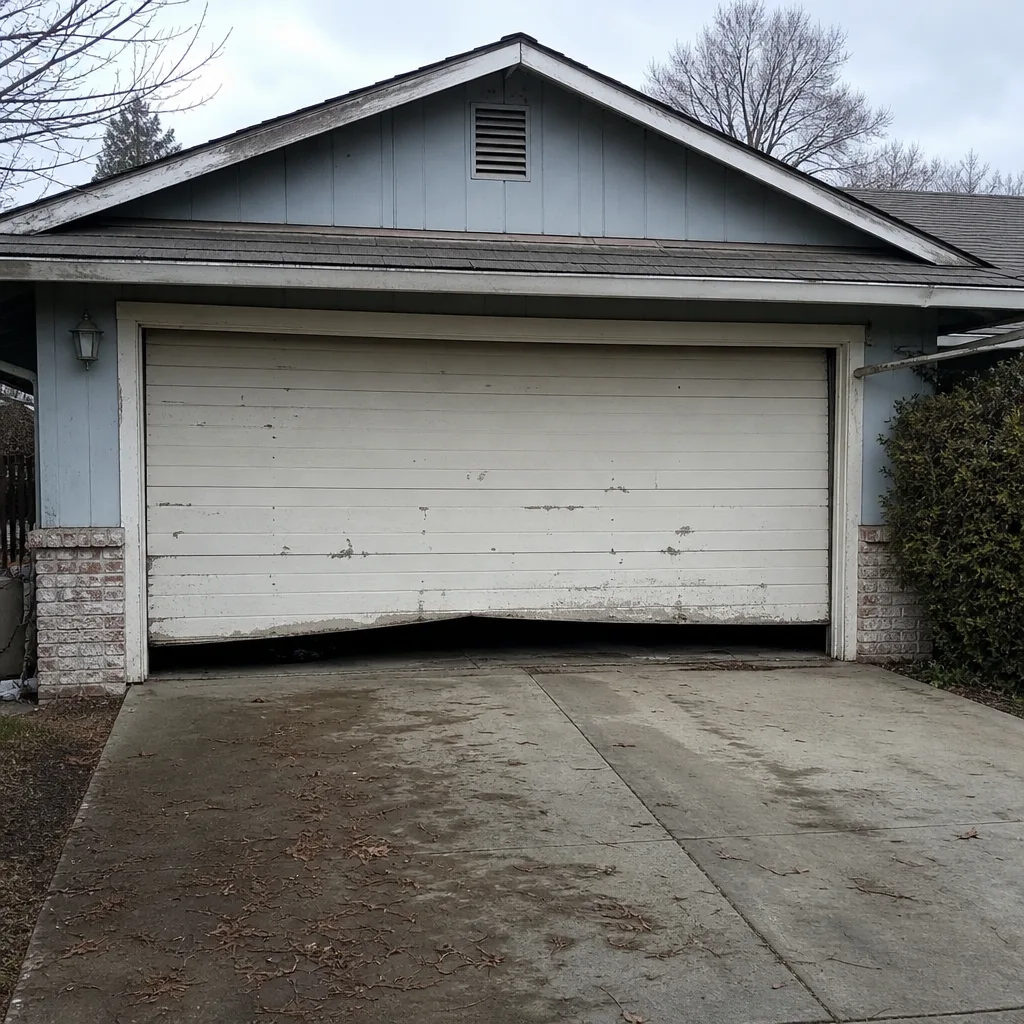 Before
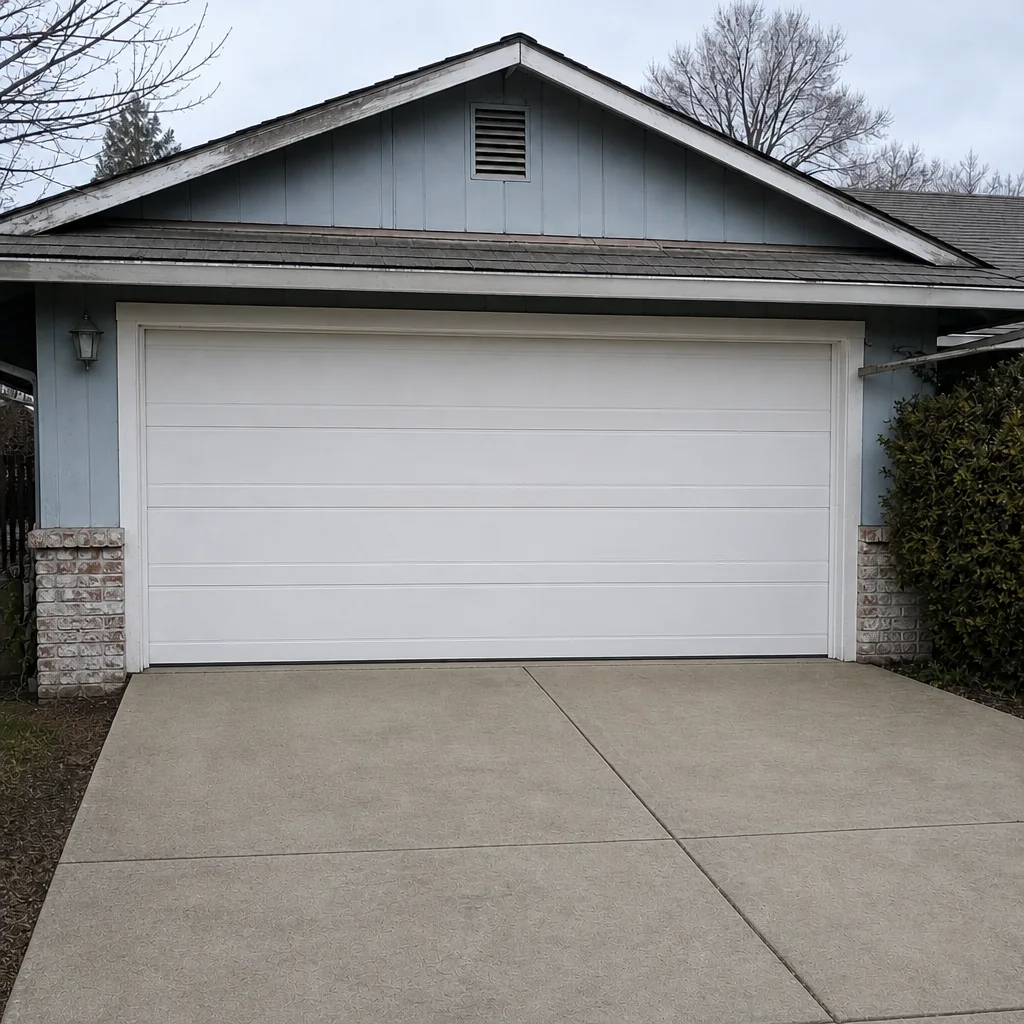 After
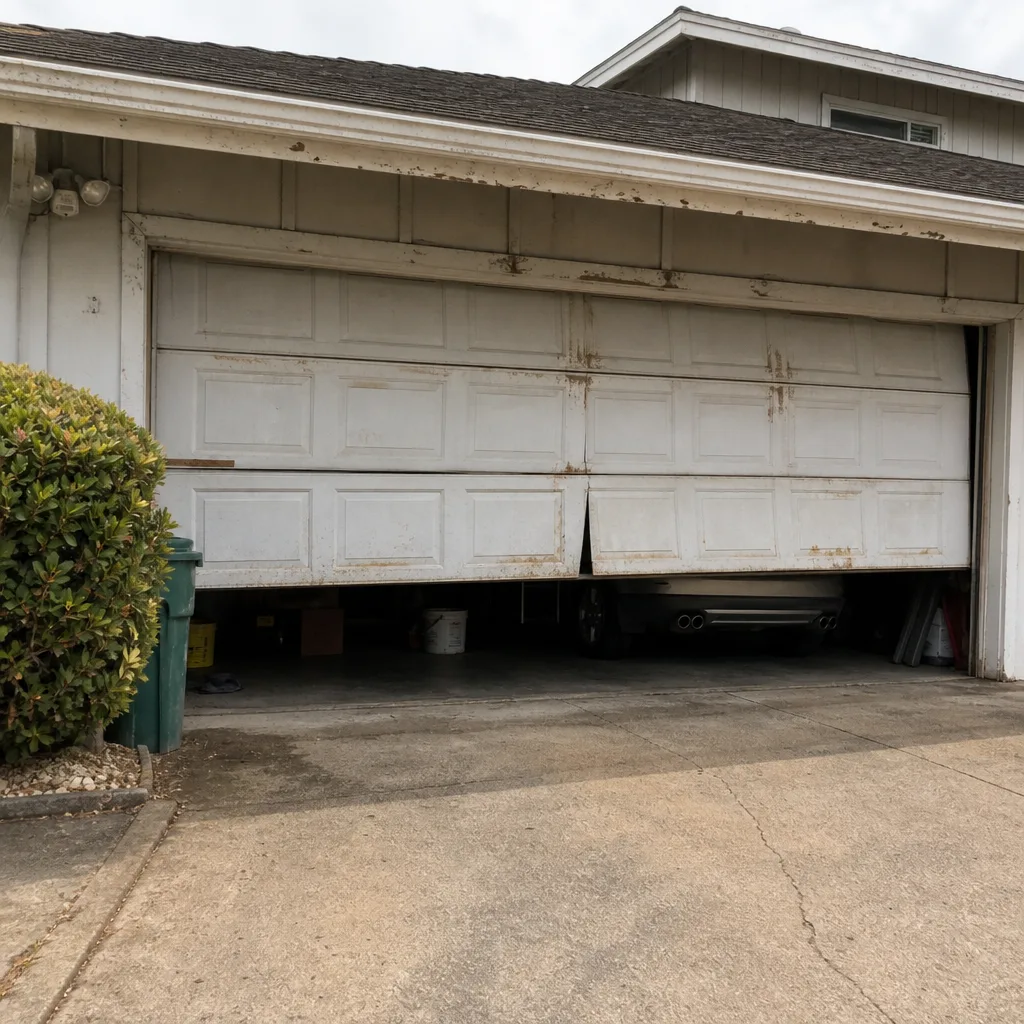 Before
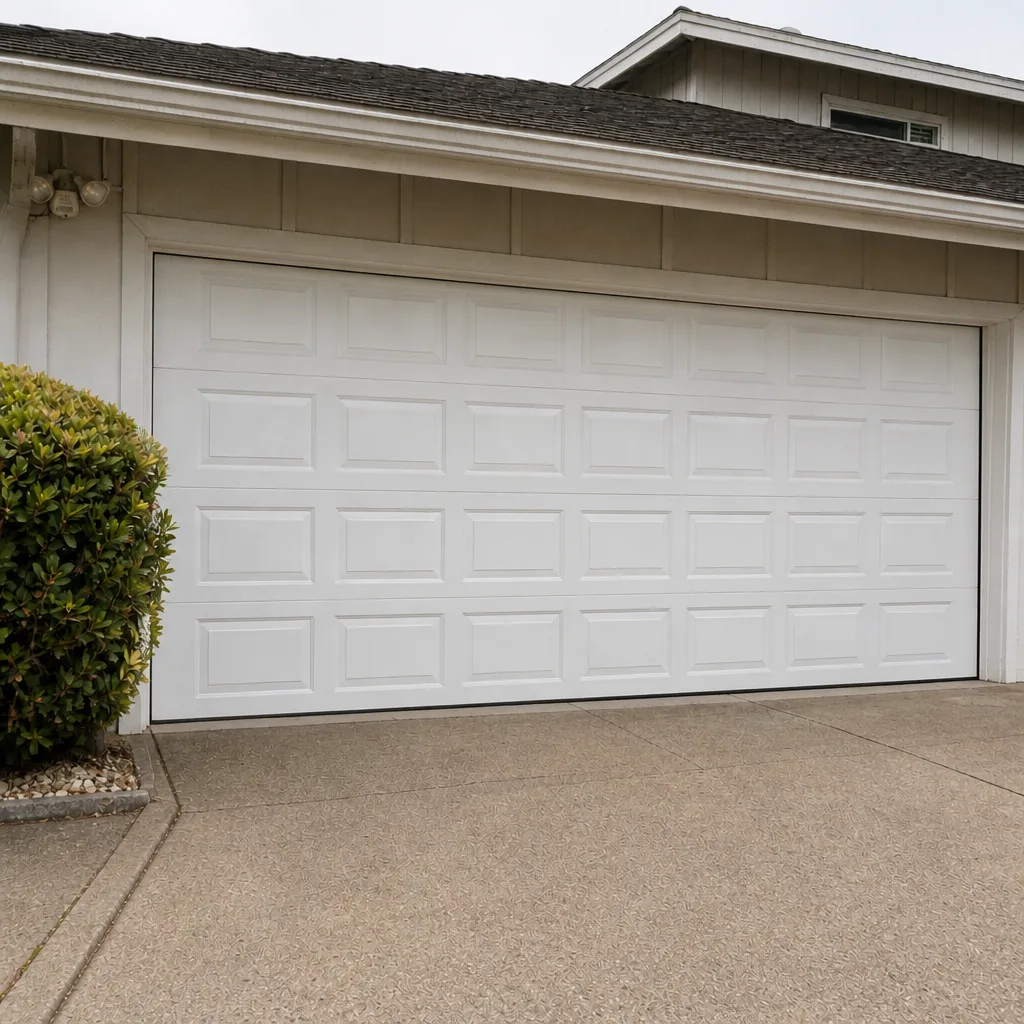 After
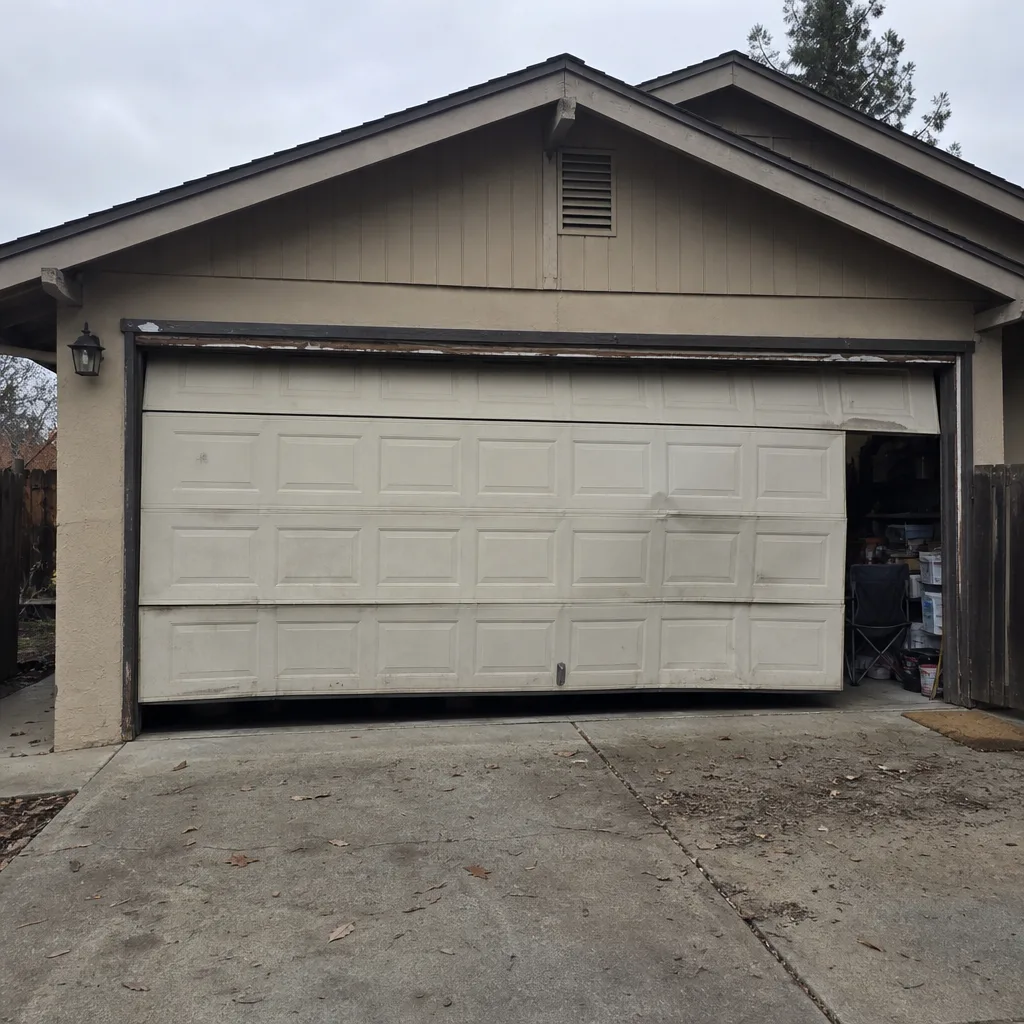 Before
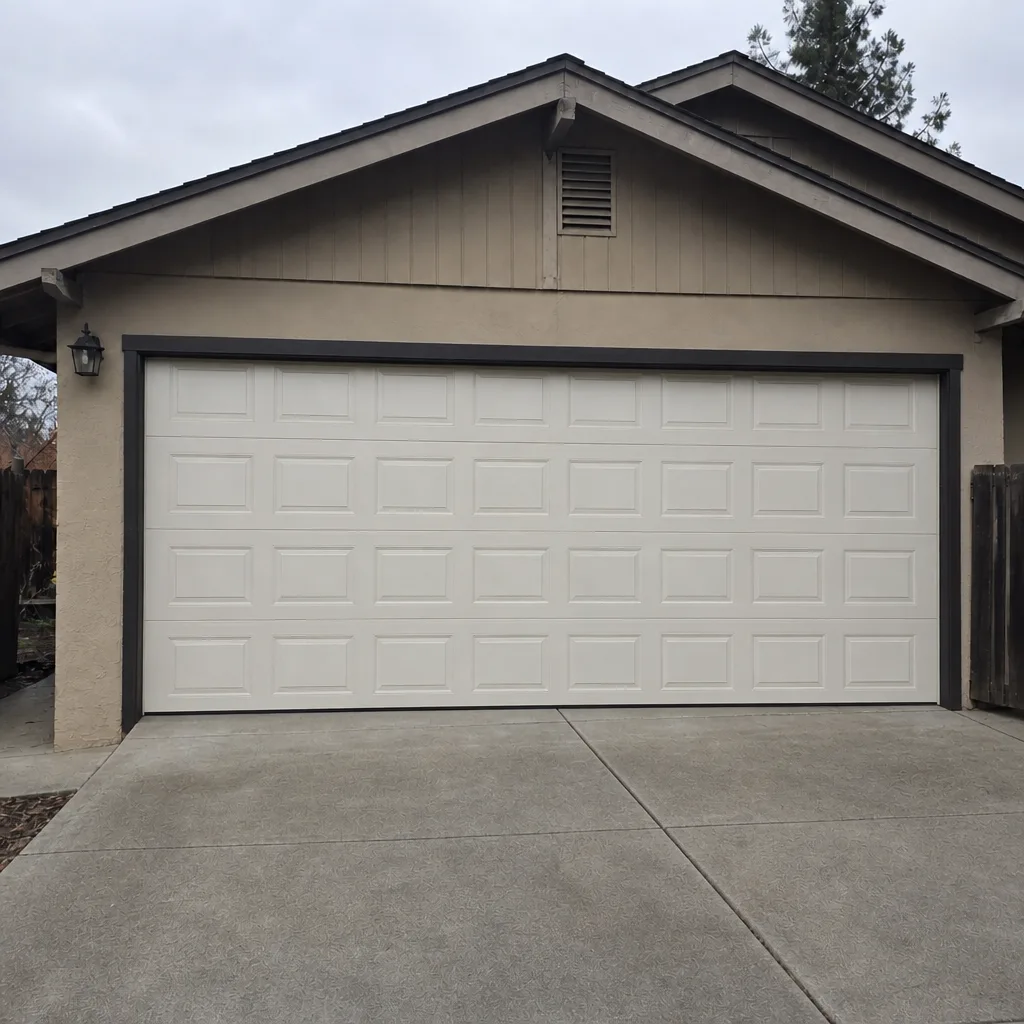 After
Common Mistakes to Avoid
- Trying to fix a spring or cable yourself. These parts are under tension and can injure you seriously even when the door looks fine. A spring or cable failure is a call to a professional, not a trip to the hardware store.
- Ignoring the reversal test because “it worked last month.” The safety reverse is a moving target, and a door that tested fine in cooler weather can behave differently in a hot Chico garage. Test it and re-test it after any repair.
- Replacing the opener when the door is the problem. A heavy or binding door is the door’s fault, and a new opener won’t fix it. Get the door checked first.
- Lubricating the wrong parts. Oil on a spring, cable, or sensor will not fix a binding door and can create a mess. Rollers, hinges, and tracks get the attention; springs and cables get hands-off.
- Buying a new door before the repair diagnosis. A door that looks worn can often be repaired for a fraction of a replacement. Explore repair first, and ask for a written estimate before anything is ordered.
- Choosing based on brand alone. A Genie or LiftMaster unit on a door that binds is not the answer. The right repair is the one matched to the actual system, not the one with the best logo.
- Waiting out a Tier 1 sign. A reversing door or a fraying cable does not heal itself. Waiting turns a safety check into a safety incident, and a small fix into a bigger one.
When to Call a Professional
Call a professional the moment a sign touches a spring, a cable, or the reverse safety feature. Those are the Tier 1 items, and they deserve a phone call now, not a weekend project. Call too if the door binds, runs crooked, or stops mid-travel, since those tend to wear adjacent parts and get bigger with time. Call if you hear a bang, if the door free-falls, or if you can’t tell whether the trouble is the opener or the door; that last one is exactly the split a technician diagnoses in a single visit.
Garage Door Repair Chico offers free estimates in Chico, and the price is set by the written estimate before any work starts. If you need help, call (833) 946-9124. We answer 24/7. Fast dispatch from 7am to 7pm, Sunday through Friday, closed Saturday.
Frequently Asked Questions
A door that reverses on its own during closing, a visible fray or kink in a cable, and a visible gap or break in a torsion or extension spring are the three most urgent signs. Each one involves a safety-critical part, and each one can cause injury if the door is used or handled incorrectly. If you see any of these, stop using the door and call (833) 946-9124 for a free estimate.
Heat is the usual reason. A hot garage makes a door’s steel tracks expand, which tightens the clearance around the rollers, and it makes the opener’s drive system run warmer and work harder. The door isn’t necessarily failing; it’s telling you the alignment or the drive needs attention. Get it checked before the extra load wears out a roller or strains the opener.
Disconnect the opener and lift the door by hand. A door that lifts easily and stays balanced is a door problem the opener can’t fix. A door that lifts easily but won’t run on the opener is an opener problem, usually a gear, drive, or control board. Either way, the answer comes from a diagnosis, and a free estimate at (833) 946-9124 gets you one.
No. Torsion and extension springs are under high tension and can cause serious injury if handled incorrectly, even when the door looks safe. The correct move is a trained technician for the repair. We can work with you on a free estimate, and the price is set before any work begins.
No. The written estimate sets the price, and the work is quoted and agreed before it starts. If the diagnosis changes the job, we walk you through it and you decide before anything proceeds. Call (833) 946-9124 for a free estimate on your Chico door.
Once a year is a sensible baseline, and more often if the door sees heavy daily use or the garage gets very hot. An annual inspection catches a fraying cable or worn roller before it turns into a safety item. Our technicians have up to 11 years of experience checking these systems, and we’ll tell you what needs attention today, what can wait, and what’s fine.
The Bottom Line
The warning signs on a garage door aren’t all equal, and treating them like they are is the costly mistake. Sort each symptom by tier: a reversing door or a fraying cable is a call today, a binding track or a strained opener is a 30-day job, and a squeak is fine to monitor. In Chico, heat pushes the middle tier toward the top, so small signs get checked earlier here than in cooler climates. When in doubt, a free estimate from a trained technician settles it faster than any DIY guess. Call (833) 946-9124. We answer 24/7. Fast dispatch from 7am to 7pm, Sunday through Friday, closed Saturday.
If your door is showing any of the signs above, start with Garage Door Repair Chico for a free estimate, or explore our garage door repair and garage door opener repair pages to see how we handle each. We also serve homeowners throughout Chico.
Written by the team at Garage Door Repair Chico.