
Last updated November 15, 2026
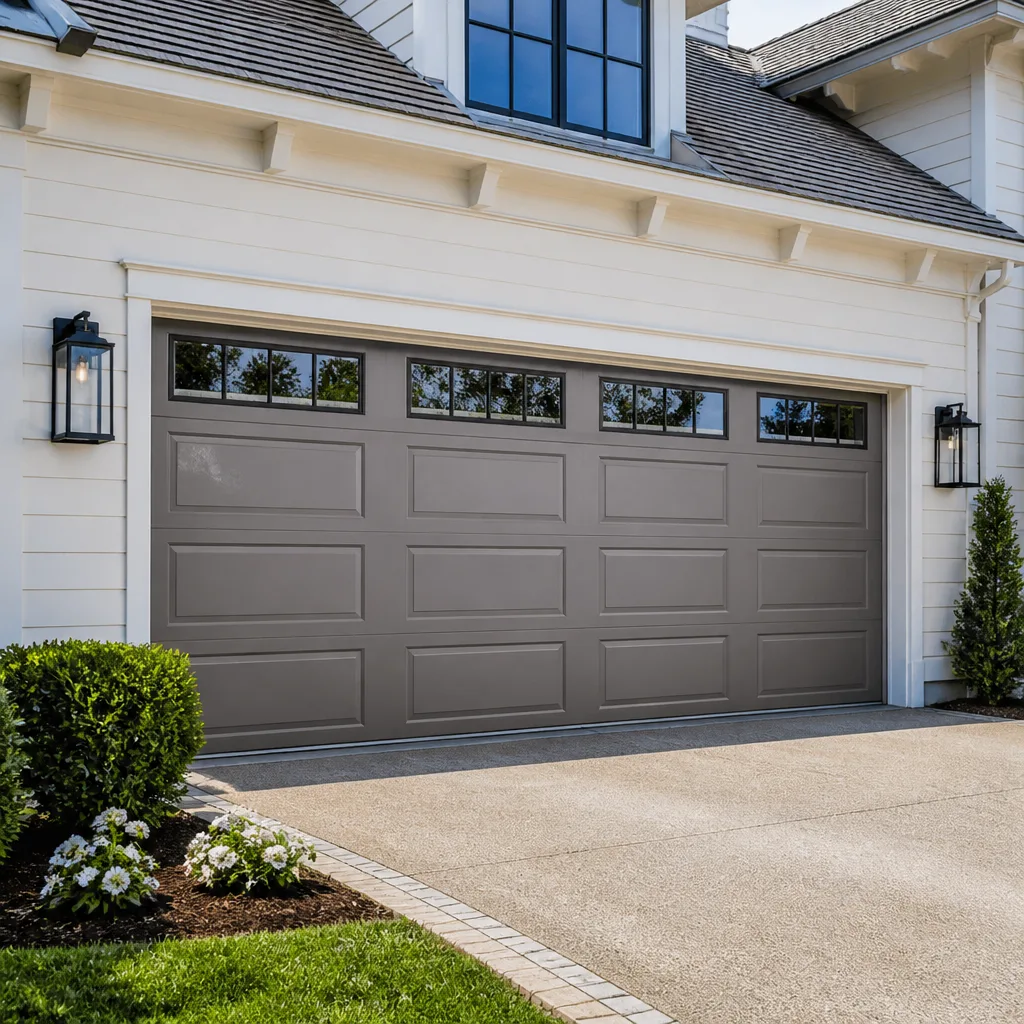 Raised-panel steel
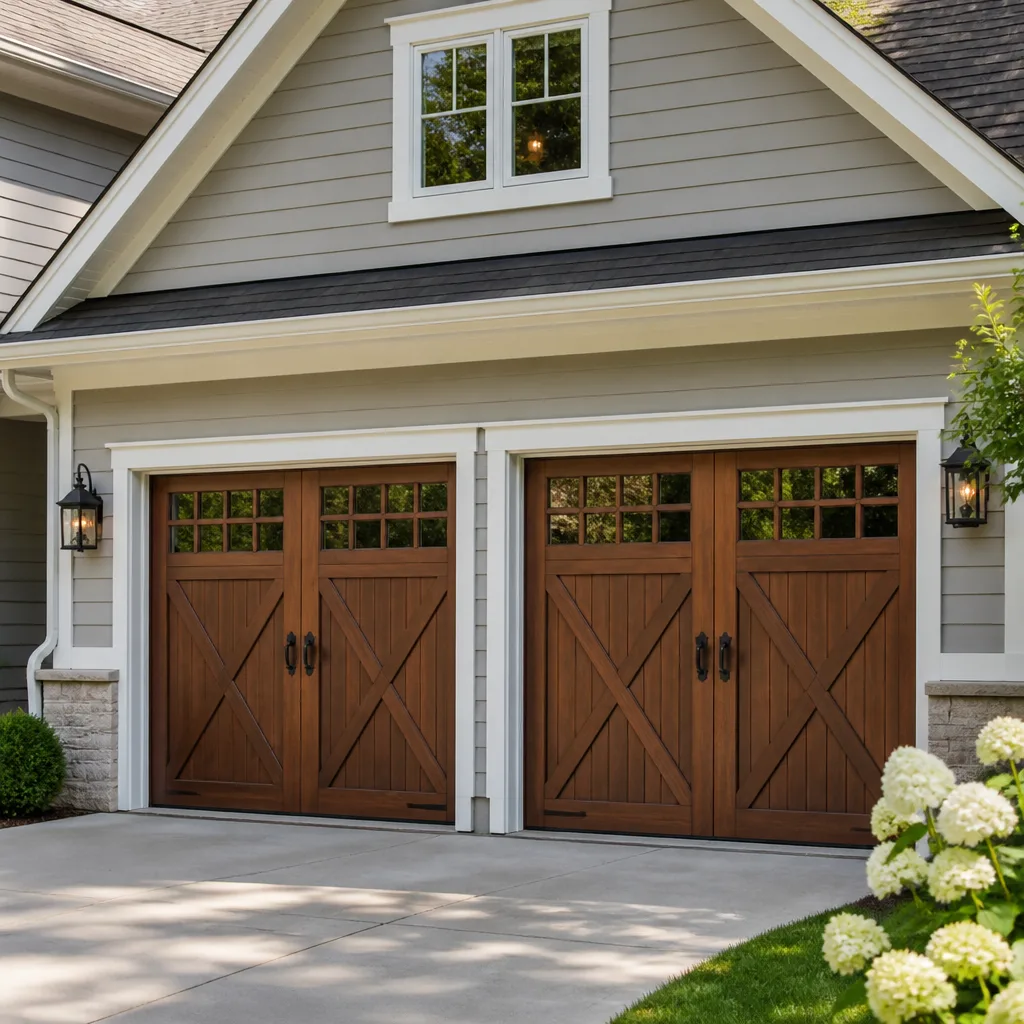 Carriage house
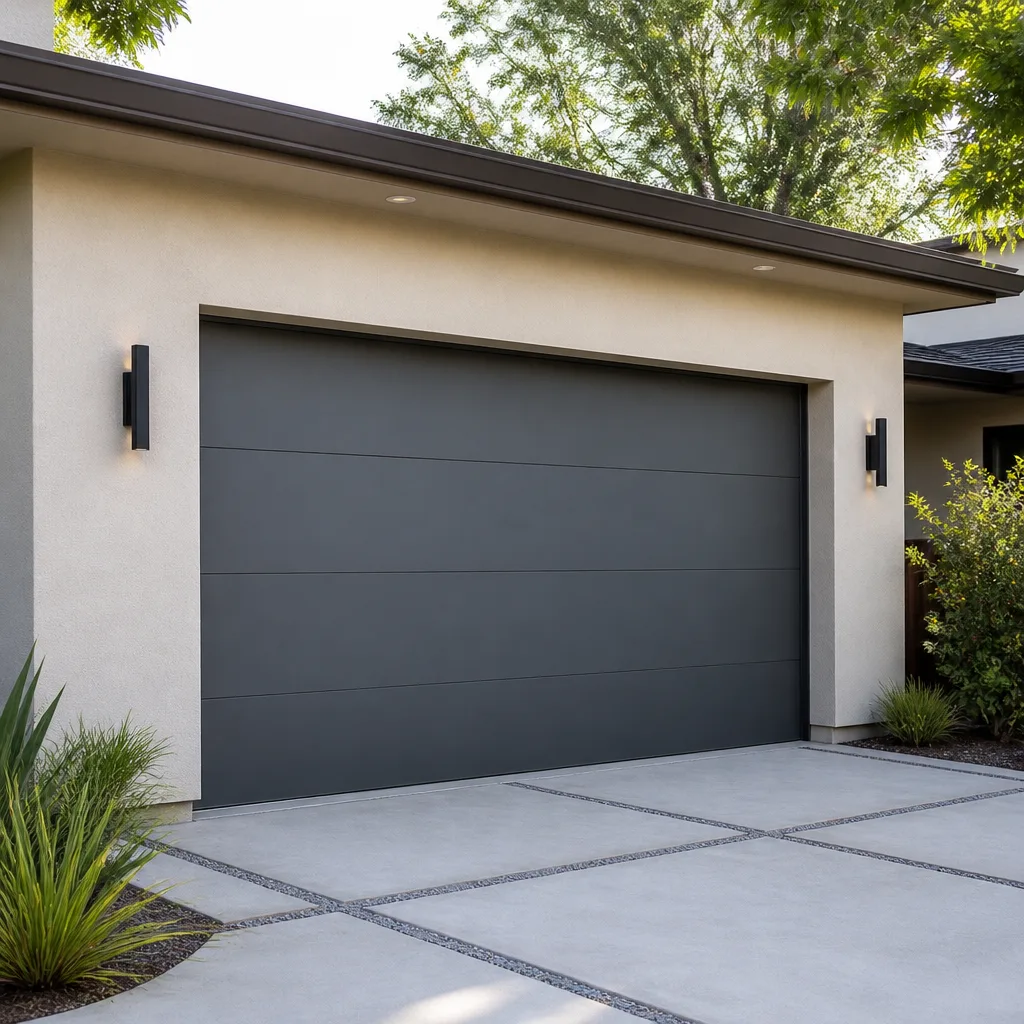 Modern flush
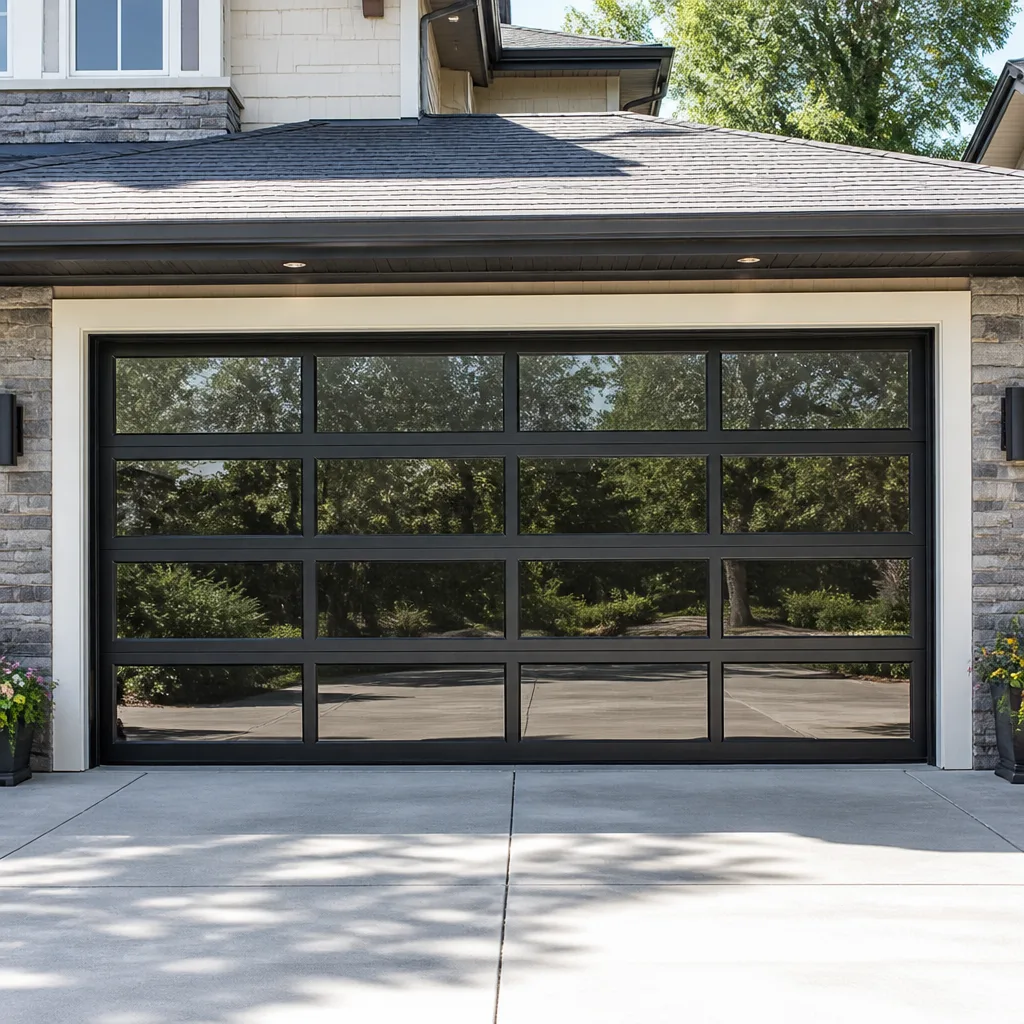 Full-view glass
 LiftMaster openers
 Chamberlain openers
Full 25-point door and opener safety check with every visit - springs, cables, rollers, tracks, and your LiftMaster or Chamberlain opener included
You get a price before we start. It does not change when the pro arrives.
Get your free estimateGarage Door Repair Troubleshooting in Chico: Common Problems and How to Fix Them
A door that reverses before it closes isn’t broken. It’s doing exactly what it was programmed to do. The safety system saw something it didn’t like, and the door backed off. That’s why the problem is almost never what it looks like from the outside. A door that won’t close can be a sensor issue, a track issue, or an opener logic issue, and the fix is different in every case. Homeowners who misread the symptom end up paying for the wrong repair twice. This guide teaches you to read what your door is telling you through sound, movement, and timing before you touch anything or call anyone. We’ll cover the five root causes behind most failures, which checks are safe for you, and which ones put your hands in real danger. Mention Chico once more later, but let’s start with the diagnosis.
Quick Answer
Most garage door problems in Chico trace back to one of five root causes: a misaligned safety sensor, a worn or broken spring, a bent track or worn roller, an opener logic fault, or a balance problem the door has been hiding for months. You can safely reset sensors, clear obstructions, and test the balance of a door by hand. You should never touch springs, cables, or cable drums, because those parts hold stored tension that can injure you badly. If the door is off its track, making a snapping sound, or hanging unevenly, stop and call a technician.
Styles & brands we work with
- Raised-panel steel
- Carriage house
- Modern flush
- Full-view glass
- LiftMaster openers
- Chamberlain openers
Table of Contents
- Read the Door Before You Touch Anything
- How to Tell Opener, Spring, and Track Problems Apart by Sound
- Why Chico Heat and Valley Dust Cause Seasonal Misalignment
- Safe Troubleshooting vs. Work That Can Hurt You
- The 10-Minute Reset: What You Can Fix Yourself
- What Garage Door Repair Costs in Chico
- Common Mis-Fixes That Make the Repair More Expensive
- When to Call a Professional
Read the Door Before You Touch Anything
Every garage door failure leaves a trail. The door tells you where the problem lives before you ever pick up a tool, if you know what to watch and listen for. The trick is separating three things that all feel like “the door is broken”: opener faults, spring faults, and track or roller faults. Each one behaves differently. Learning the difference is the whole game.
Start with a simple observation. Press the wall button or your remote and watch the full cycle without interrupting it. Note four things:
- Does the motor run but the door stay put? That points to the opener’s drive system or a disconnected trolley, not the door itself.
- Does the door move a few inches and stop? That’s usually a safety sensor or a force-setting issue.
- Does the door move but sound strained, metal-on-metal, or uneven? That’s a balance, roller, or track problem.
- Does the door not move at all and the opener clicks once? That can be a dead capacitor, a locked trolley, or a power fault.
Write down what you saw. When you describe the symptom to a technician, “it goes up about a foot and reverses” tells us far more than “it’s broken.” That’s how we cut diagnosis time and get you back up and running faster. If you’d rather skip the detective work, our garage door repair team can walk through the same checklist on site.
How to Tell Opener, Spring, and Track Problems Apart by Sound
Sound is the fastest diagnostic tool you have. A healthy door has a steady, low, rolling rhythm. Anything else is a clue. Here’s how we sort the three main suspects by ear and by movement, a method that works the same whether you have a LiftMaster, a Chamberlain, or a Genie opener driving the door.
Opener problems
An opener issue usually announces itself with sound coming from the motor housing, not the door. You’ll hear a hum, a click, a grinding whine, or a rapid rattle from the ceiling unit while the door barely moves or doesn’t move at all. If the motor runs smoothly but the door sits still, the opener is likely fine and the trolley or drive belt is the problem. If the motor grinds, the gear or capacitor needs attention. Opener repair is often the smarter call than replacement, and our garage door opener repair service handles the common drive systems without pushing a full swap.
Spring problems
Spring failure has a signature. You’ll hear a sharp bang from the garage, often loud enough to hear from inside the house, and afterward the door will feel extremely heavy when you try to lift it by hand. A torsion spring above the door or an extension spring running along the sides has snapped. This is not a sound to investigate with your hands. Stop, leave the door down if it’s down, and call.
Track and roller problems
Track issues sound like a scrape, a squeal, or a rhythmic thunk that repeats at the same point in the door’s travel every time. Rollers that have worn flat, tracks that have bent, or hinges that have loosened all produce this pattern. It’s usually the least urgent of the three, but it gets worse with every cycle, so don’t ignore it for long.
Why Chico Heat and Valley Dust Cause Seasonal Misalignment
Chico sits in the Sacramento Valley, and that shapes how garage doors fail here in ways you won’t read about in a generic repair guide. Two forces do most of the work: summer heat spikes and the fine dust that valley air moves around all year. Together they cause a specific pattern of problems that shows up seasonally.
Heat and expansion
When temperatures climb into the triple digits, the metal in your door panels, tracks, and hardware expands. Wood framing around the opening expands too, but at a different rate. That mismatch can pull a track slightly out of alignment, throw off the door’s balance, or cause a panel to bind against a jamb it cleared fine in spring. Doors that ran quietly all winter start scraping in July. This is also when safety sensors drift, because heat can shift the mounting brackets just enough to break the invisible beam between them.
Dust and debris
Valley dust settles into tracks, rollers, and hinge pivots. Mixed with the lubricant already on those parts, it forms a gritty paste that accelerates wear and makes the door work harder. Dust also coats the lenses on your safety sensors and the photo-eye housings, which is one of the most common causes of a door that refuses to close on a clear day. A wiped lens and a clean track solve a surprising number of Chico service calls before a technician ever needs to show up.
What this means for your maintenance rhythm
If you live anywhere in the valley – whether that’s near Bidwell Park, over in the Chapman neighborhood, or out toward the edges of town – plan to check your door’s balance and sensor alignment at the start of summer and again when the heat breaks in fall. Twice a year is enough for most homes. Doors on west-facing walls that take the full afternoon sun may need a closer look more often, since that side of the house runs hotter.
Safe Troubleshooting vs. Work That Can Hurt You
Some garage door problems are genuinely safe to investigate. Others are among the most dangerous things in your home, and no online guide should walk you through them step by step. We’d rather tell you plainly where the line is than pretend every repair is a weekend project.
Safe for most homeowners
- Cleaning and aligning safety sensors. Wipe the lenses, check that both eyes point at each other, and confirm the indicator light is solid rather than blinking.
- Clearing obstructions. Remove anything in the door’s path, including a broom handle, a stored box, or debris that’s crept into the track.
- Testing the balance by hand. Disconnect the opener (usually a red release cord), lift the door to about halfway, and let go. A balanced door holds. A door that drops or rises on its own is out of balance.
- Lubricating tracks, rollers, and hinges with a garage-door-specific lubricant, not WD-40.
- Checking and replacing opener batteries and remote pairing.
Not safe – leave it to a trained technician
- Springs, in any condition. A torsion spring above the door or an extension spring along the side is under enormous tension. Touching one wrong, even a “relaxed” one, can cause serious injury. Never try to adjust, wind, or remove a spring.
- Cables and cable drums. These carry the same stored tension as the springs and can whip loose without warning.
- Bottom brackets and the hardware that holds the cable. Under load, these parts can release suddenly.
- Straightening a badly bent track while the door is attached. The door can come down.
- Replacing a torsion spring or re-tensioning a wound spring. This requires proper winding bars and training. There’s no safe shortcut.
We include this list because we’ve seen what happens when a homeowner tries a spring job from a video. The money saved never covers the risk. If your diagnosis points to springs or cables, the next step is a call to a licensed and insured technician, not a hardware store run.
The 10-Minute Reset: What You Can Fix Yourself
Before you call anyone, run this sequence. It covers the problems that account for a large share of “my door won’t work” calls, and none of the steps put you near a spring. Most homeowners finish in under ten minutes. If the door still misbehaves after step seven, it’s time to bring in a pro.
- Check the power. Confirm the opener is plugged in and the wall outlet hasn’t tripped a breaker. Sounds obvious. It’s the answer more often than anyone expects.
- Look at the safety sensors. Find the two small units at the bottom of the tracks, one on each side. If either indicator light is blinking or dark, the beam is broken or misaligned. Wipe both lenses and nudge each sensor until it points straight at its partner.
- Clear the path. Sweep the track channels and remove anything under the door.
- Check the manual lock. Some doors have a slide lock that, if engaged, will stall the opener. Make sure it’s released.
- Check the trolley release. If the red emergency cord has been pulled, the door is disconnected from the opener. Re-engage it by running the opener until the trolley clicks back in.
- Test the balance. Disconnect the opener as described above. A door that won’t hold halfway is out of balance. Reconnect and move on to the next step only if the door feels balanced.
- Reset the opener. Unplug the unit for 30 seconds, plug it back in, and re-test. This clears most logic faults on LiftMaster and Chamberlain units. If your door still reverses, you’ve narrowed it to a sensor, force-setting, or mechanical issue.
- Try the wall button and remote separately. If one works and the other doesn’t, the problem is the remote or the receiver, not the door.
Whatever doesn’t clear up after this sequence is either a mechanical fault or an opener problem that needs hands-on diagnosis. That’s where a technician earns their call.
What Garage Door Repair Costs in Chico
Pricing is the part homeowners ask about most, so let’s give you the shape of it. Garage door work is quoted per job, and the written estimate you get before any work starts is the price you pay. The ranges below are typical estimate ranges for common repairs in the Chico market, not fixed prices. Every door is different, and a technician on site will confirm the actual number.
- Safety sensor alignment or replacement: typically the lowest-cost repair, often resolved within a modest service range.
- Roller replacement (full set): a common, inexpensive fix.
- Track straightening or replacement: mid-range, and highly dependent on how many sections are affected.
- Spring replacement (single spring): a spring price covers one spring. If your door uses a matched pair and both are at end of life, plan for roughly double the single-spring figure, because matched springs are almost always replaced together.
- Cable replacement: priced per cable, often alongside spring work.
- Opener repair (capacitor, gear, logic board): usually less than a full opener replacement when the drive system is still sound.
- Opener replacement: a job-and-unit cost, priced by opener model and door size.
The one thing we’ll never do is hand you a lower number on the phone and a higher one on the invoice. The estimate is written, it’s agreed before any work begins, and it doesn’t change unless you approve a change. That’s the standard the whole job is held to. For an exact quote, call (833) 946-9124. Estimates are free.
Common Mis-Fixes That Make the Repair More Expensive
The most expensive garage door problems we see aren’t the original failures. They’re the well-intentioned fixes that came first. Here are the patterns that turn a small repair into a bigger one.
- Forcing a door that’s binding on a bent track. Continuing to run the opener against resistance bends the track further, strips the opener gear, and can pull panels out of the hinges. Stop the moment the door feels like it’s scraping or jamming.
- Spraying WD-40 on everything. WD-40 isn’t a garage door lubricant. It attracts dust and thins out the proper grease without replacing it, so valley grit grinds faster. Use a lubricant made for garage doors.
- Pulling the emergency release and leaving the door up. A disconnected door with a broken spring can drop without warning. If you pull the release, put the door down carefully and leave it down.
- Trying to rewind or adjust a spring yourself. This is the single most dangerous mis-fix on the list. Walk away and call.
- Increasing the opener’s force setting to push through resistance. It masks the real problem for a few cycles, then damages the opener motor or drive gear. Fix the cause, not the force setting.
- Replacing the opener when the door itself is out of balance. A new opener won’t fix a door that drops on its own. You’ll pay twice. Balance first, then evaluate the opener.
- Ignoring a door that clears fine in cool weather. In Chico’s summer heat, a small alignment problem widens into a full bind. Address the little scrape before it becomes a track replacement.
None of these mis-fixes are rare. They come from a reasonable instinct: try the cheap thing first. The trick is knowing which cheap things are safe and which ones cost more in the end.
See the difference
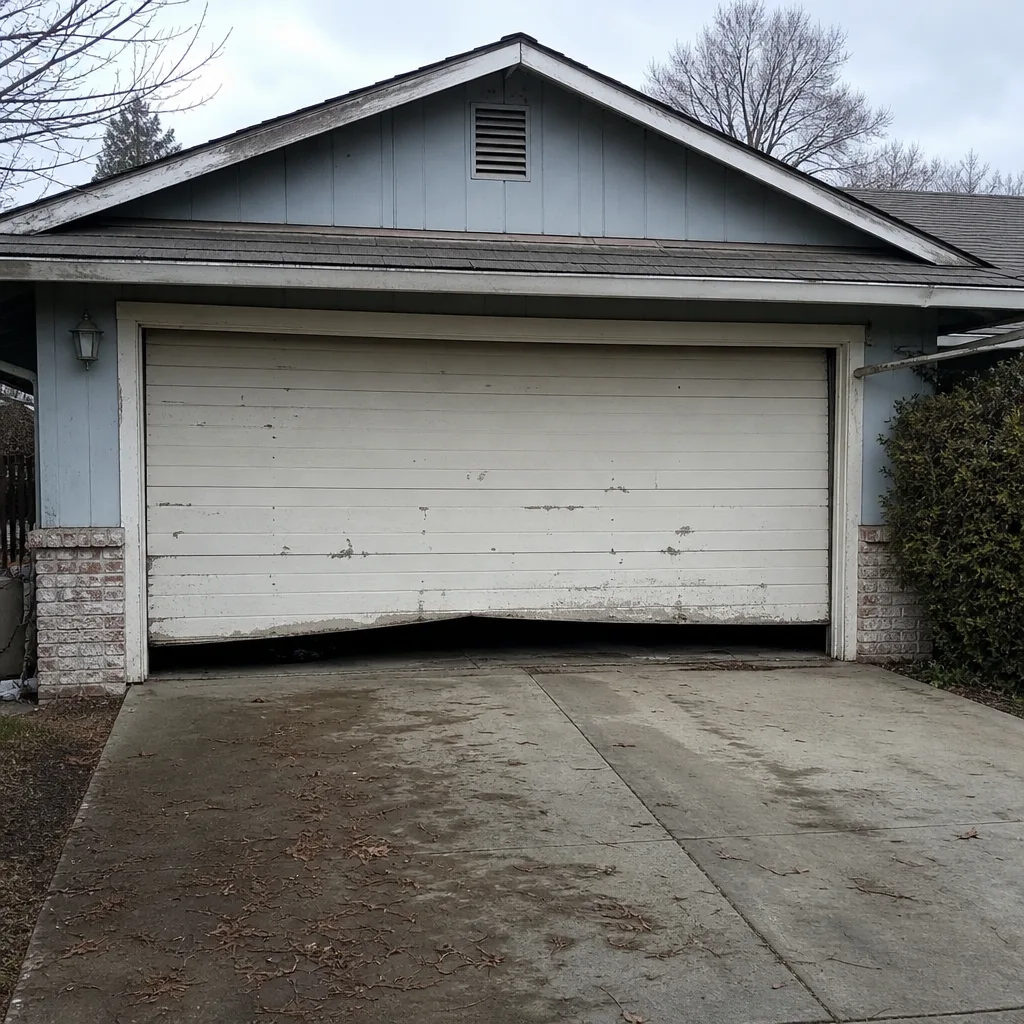 Before
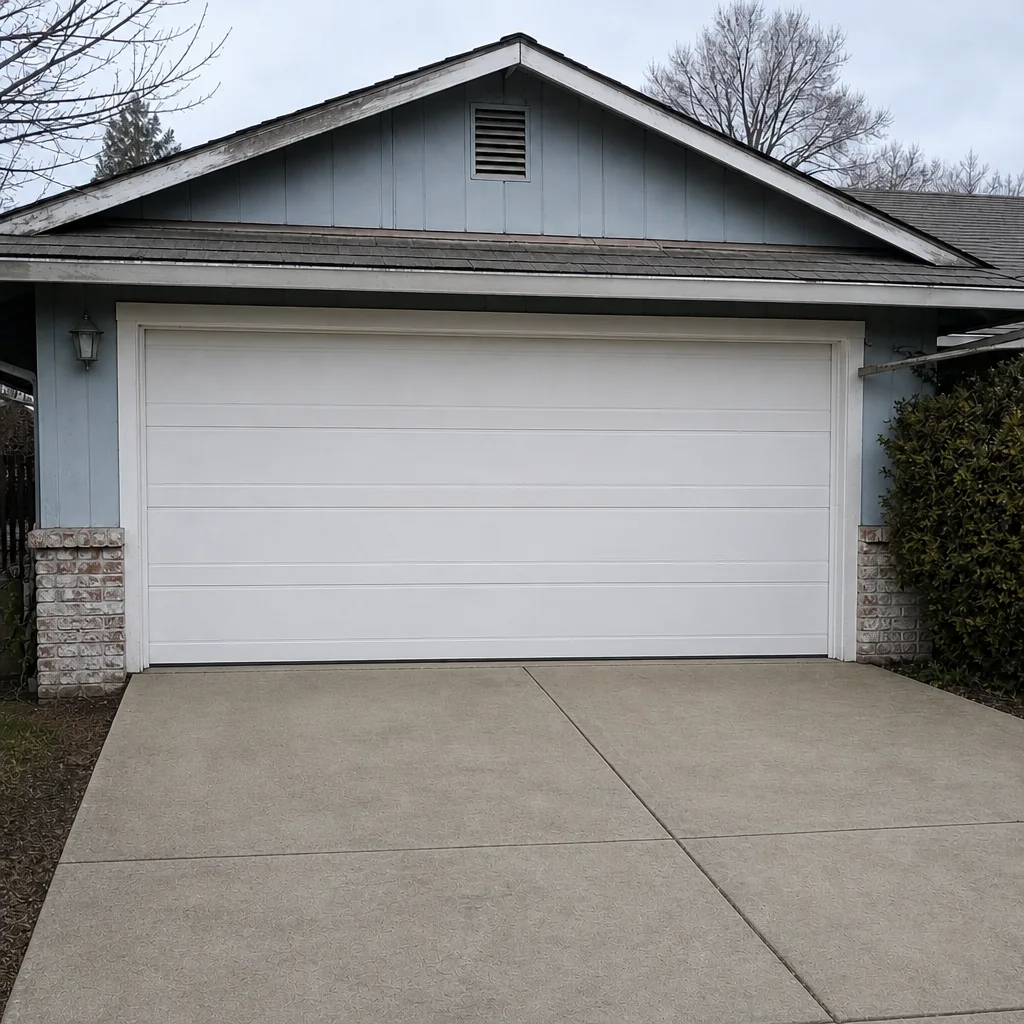 After
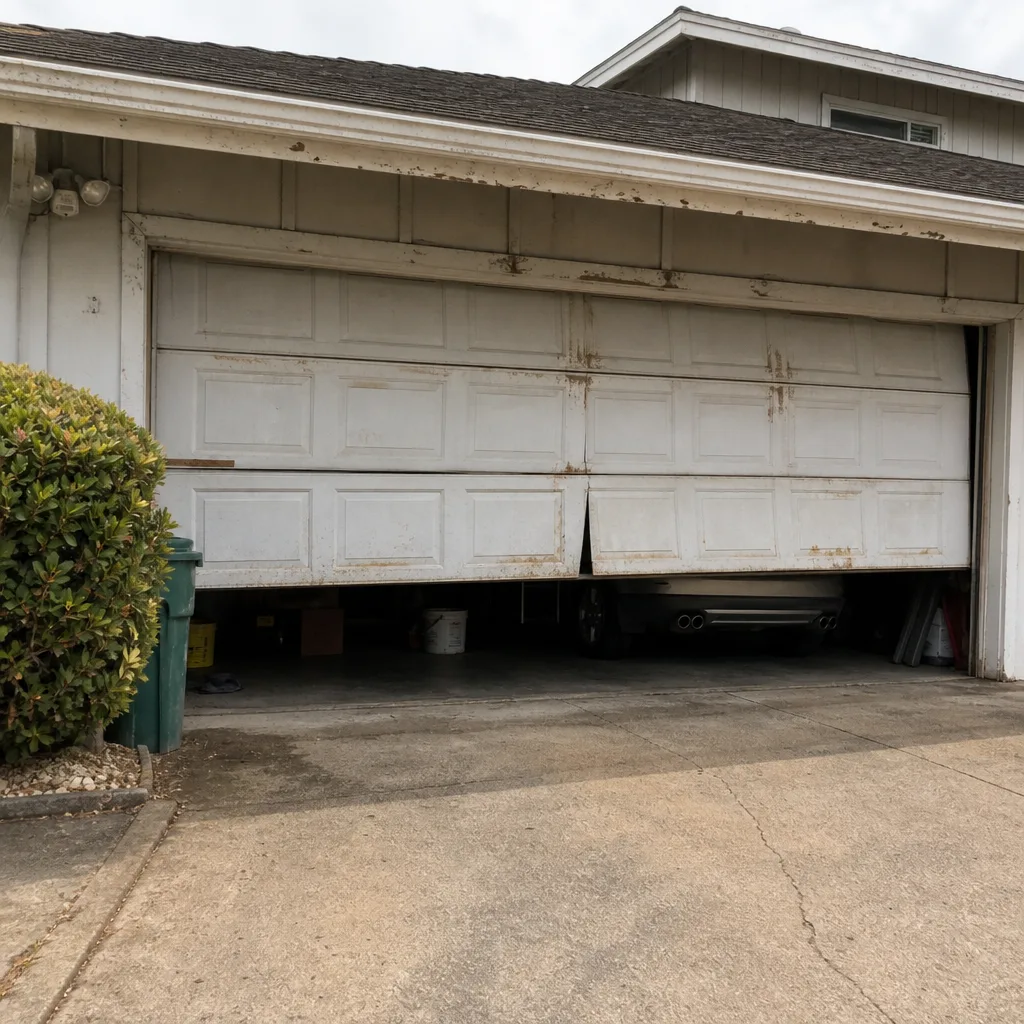 Before
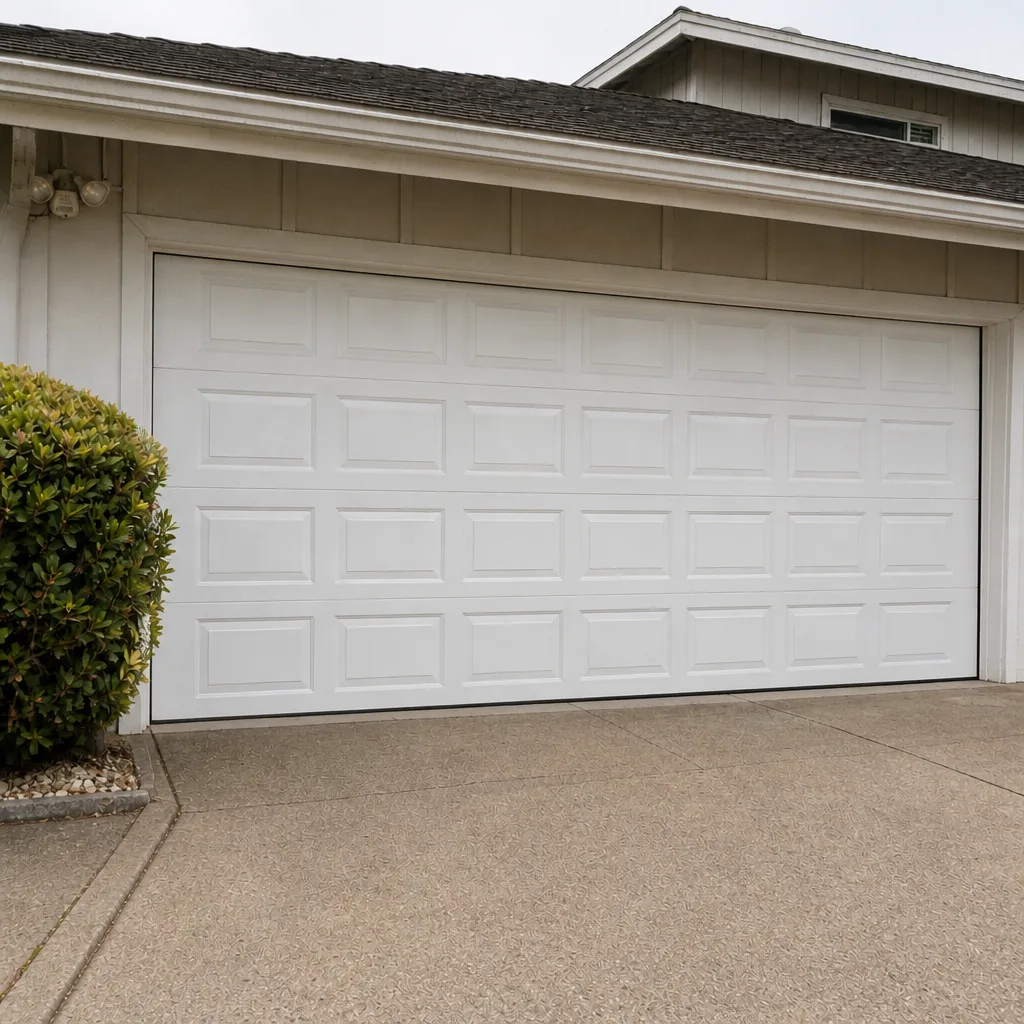 After
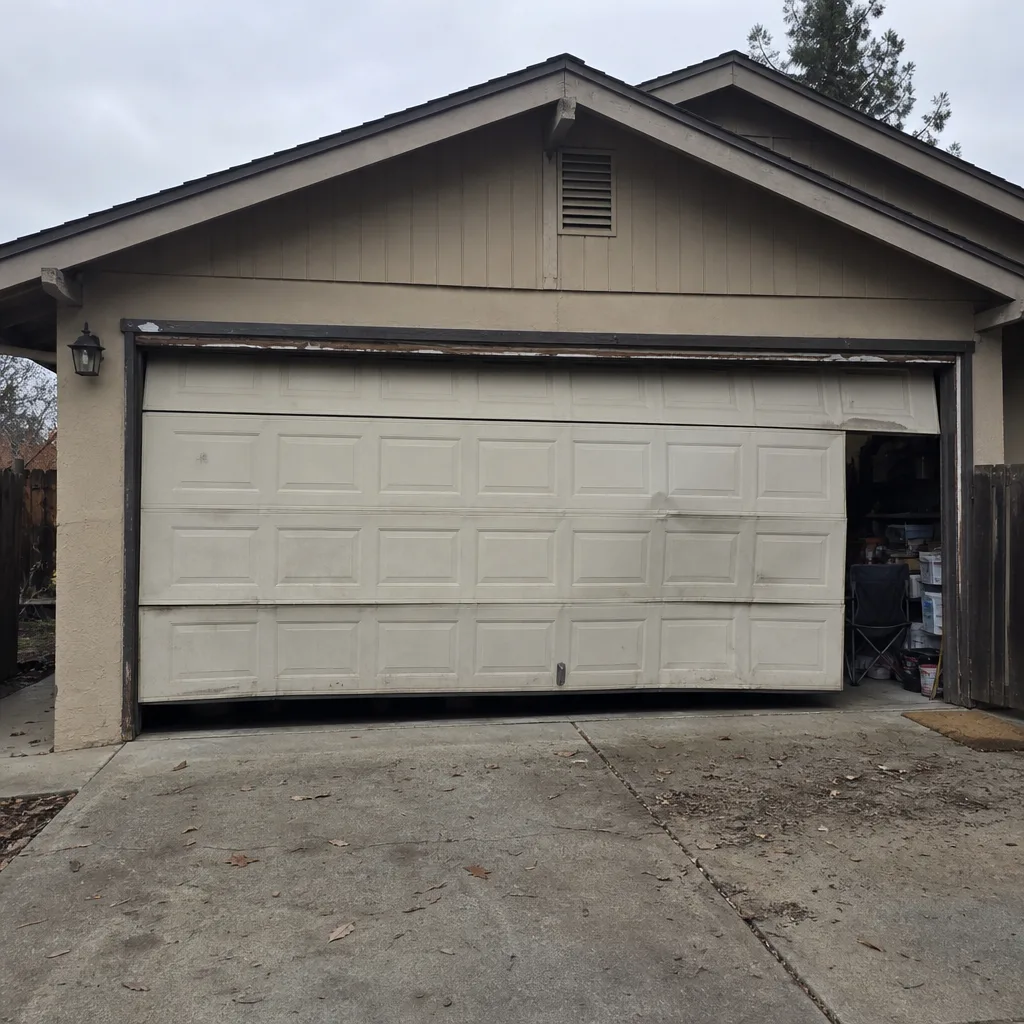 Before
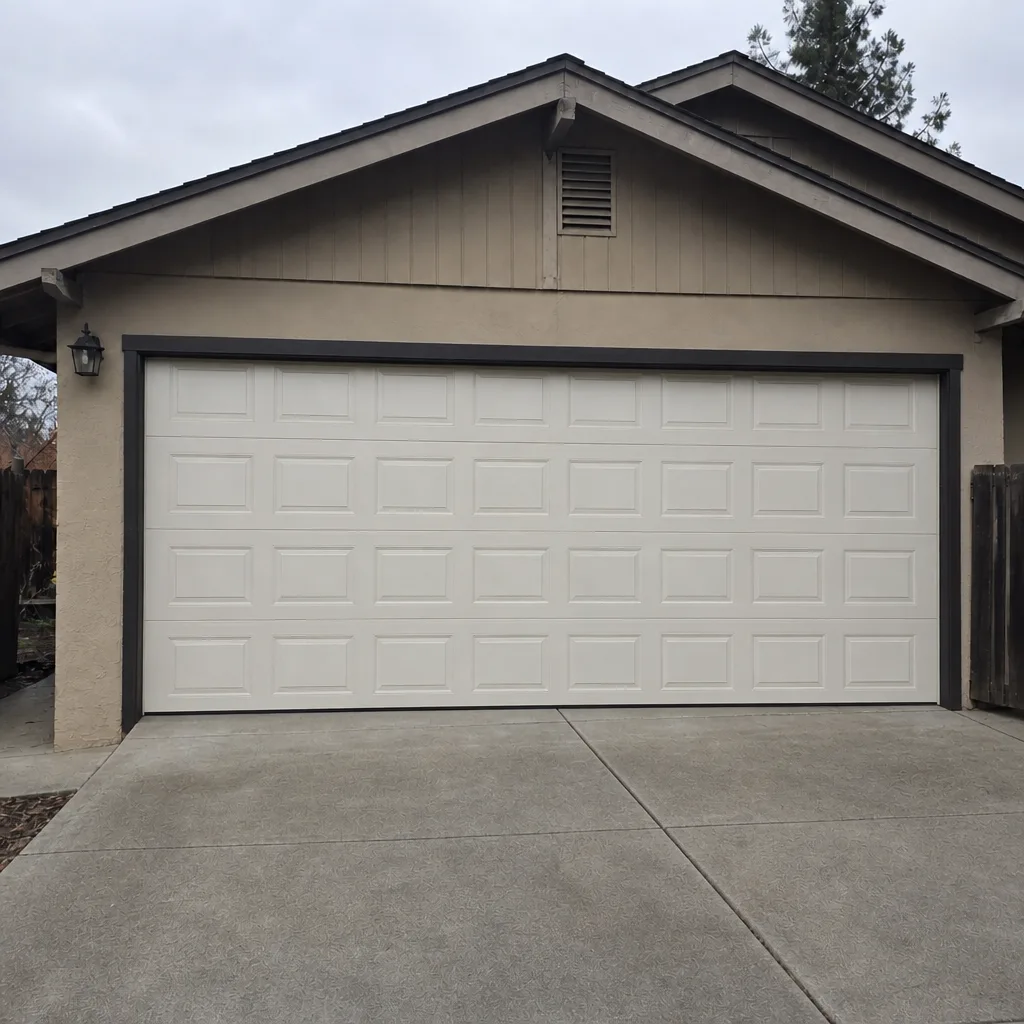 After
When to Call a Professional
Some symptoms say “call us” before you lift a finger. If a spring has snapped and you heard the bang, if the door is hanging crooked, if a cable is loose or frayed, or if the door is completely off its track, stop and reach out. Don’t run the opener against a broken door. Don’t try to lift a door that feels suddenly heavy. And if you’ve run the 10-minute reset and the door still refuses to behave, the fault is mechanical or in the opener logic, and it needs hands-on diagnosis.
Our technicians have up to 11 years of experience across the major brands you’ll find on Chico homes and newer construction, including LiftMaster, Chamberlain, Genie, and Raynor. We handle repair, opener repair, and full installation under one call. Garage Door Repair Chico offers free estimates in Chico. Call (833) 946-9124. We answer 24/7. Fast dispatch from 7am to 7pm, Sunday through Friday.
Frequently Asked Questions
The most common cause is a safety sensor that’s misaligned or dirty. The opener is programmed to reverse when the invisible beam between the two sensor eyes is broken, so even a small shift or a dust film on the lens can trigger it. Wipe both lenses and check that both indicator lights are solid. If the door still reverses, the issue is likely a sensor alignment problem or a force setting, and a technician can test both quickly. Call (833) 946-9124 for an exact quote, or ask us to come take a look. Estimates are free.
In most cases, yes. Repair calls in Chico are often handled the same day when the problem is a sensor, roller, track, or opener fault. We dispatch from 7am to 7pm, Sunday through Friday, and we’re closed Saturday. If a spring has snapped, we may need to confirm the correct spring for your door before we can complete the repair, and we’ll tell you that upfront. Call (833) 946-9124 and we’ll walk you through what to expect.
It depends on what’s actually wrong. Sensor alignment, roller replacement, and minor track adjustments sit at the low end. Spring and cable replacements cost more, and a spring price covers one spring. If your door uses a matched pair and both are worn out, plan for roughly double the single-spring figure. Every job is quoted before any work starts, and the written estimate sets the final price. Call (833) 946-9124 for an exact quote. Estimates are free.
No. The written estimate you approve before any work begins is the price you pay. If a technician finds something that changes the scope of the job, they’ll explain it and get your approval before doing anything else. You won’t get a surprise invoice for a job you didn’t agree to. Call (833) 946-9124 to schedule an estimate.
Yes. The technicians we connect you with are licensed and insured. That matters most on jobs involving springs, cables, and track work, where the risk of injury or property damage is real. We’d rather tell you that plainly than hand you a list of credentials to sort through. Call (833) 946-9124 to book a free estimate.
Chico’s summer heat causes metal in your door panels, tracks, and hardware to expand. That expansion can throw a track slightly out of alignment, shift a sensor bracket, or make a panel bind against the jamb. Combined with valley dust settling into tracks and sensor lenses, the door that ran smoothly in spring can start scraping or refusing to close by July. If it keeps happening, call (833) 946-9124. A technician can check alignment and balance before the problem grows.
The Bottom Line
The door tells you what’s wrong before anyone touches it. Learn to read the sound and the movement, and you’ll know whether you’re looking at an opener fault, a spring problem, or a track issue. Do the safe checks yourself: sensors, obstructions, balance, the 10-minute reset. Leave springs, cables, and cable drums alone. That’s not caution for its own sake; it’s how you avoid the injury that no money saved justifies. And when the fault is mechanical, get it fixed before Chico’s summer heat turns a small scrape into a track replacement. Call (833) 946-9124 for a free estimate. We answer 24/7. Fast dispatch from 7am to 7pm, Sunday through Friday. Closed Saturday.
Written by the team at Garage Door Repair Chico.