
Last updated November 15, 2026
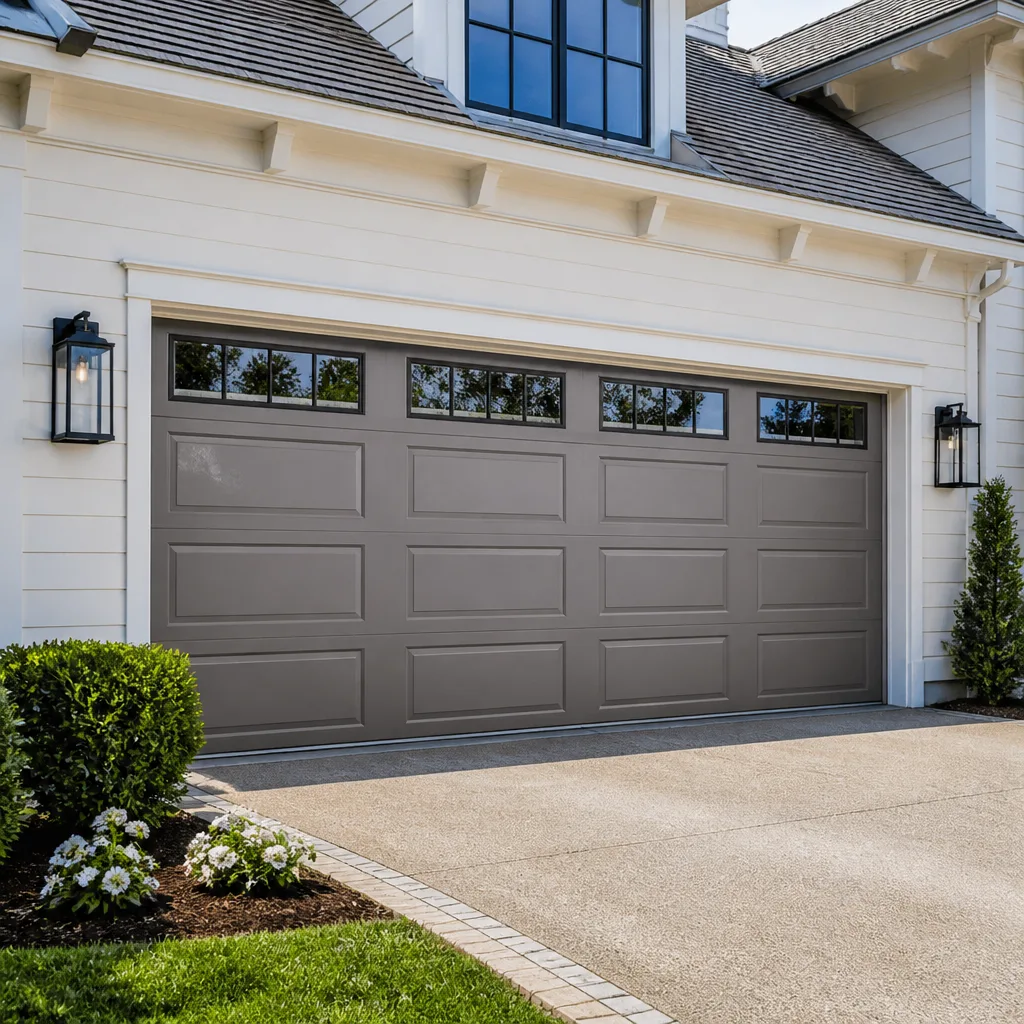 Raised-panel steel
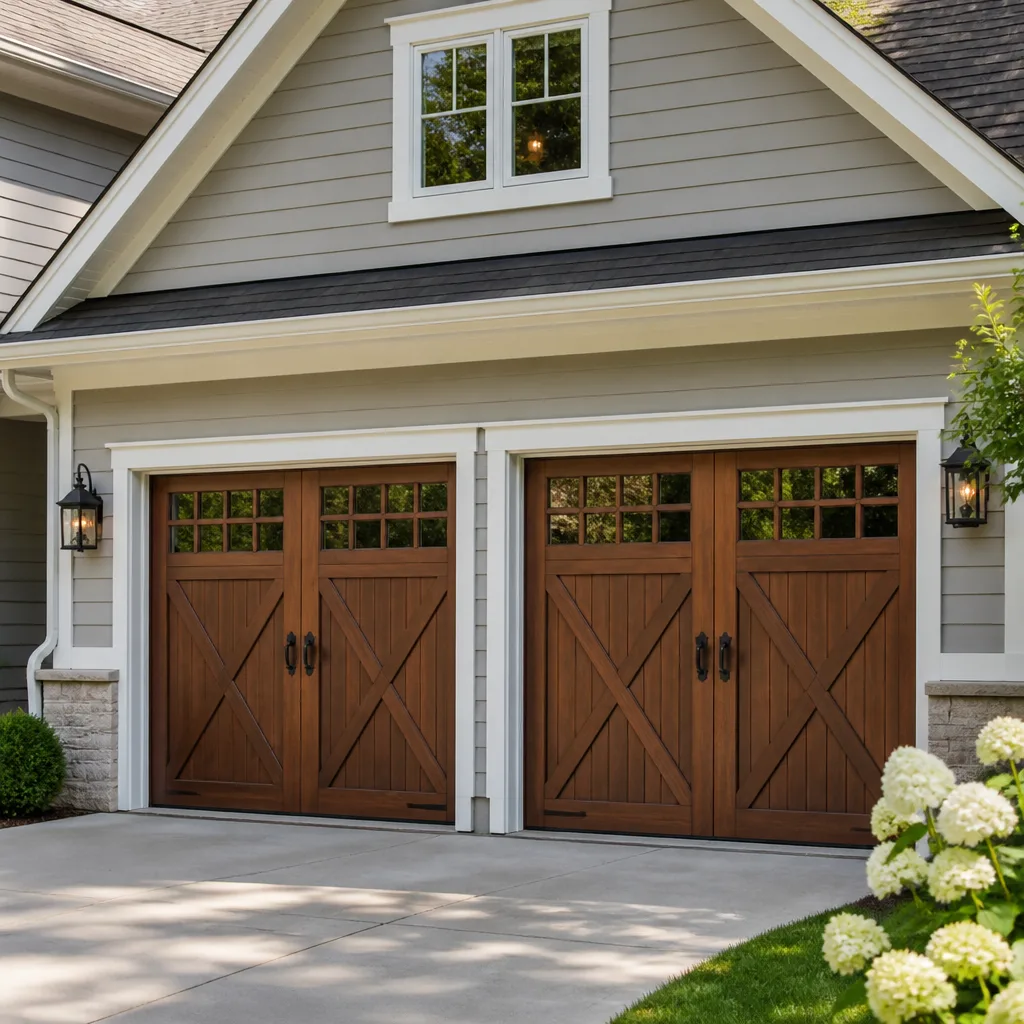 Carriage house
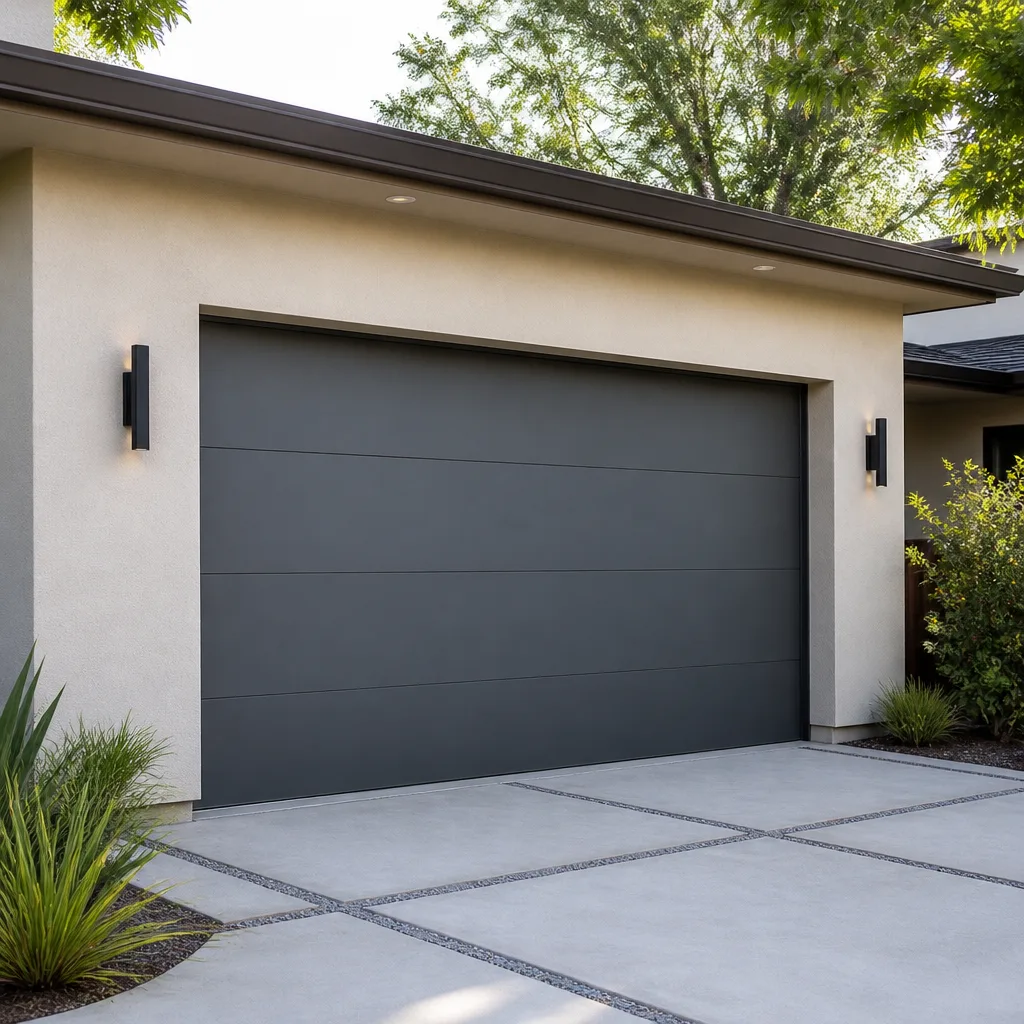 Modern flush
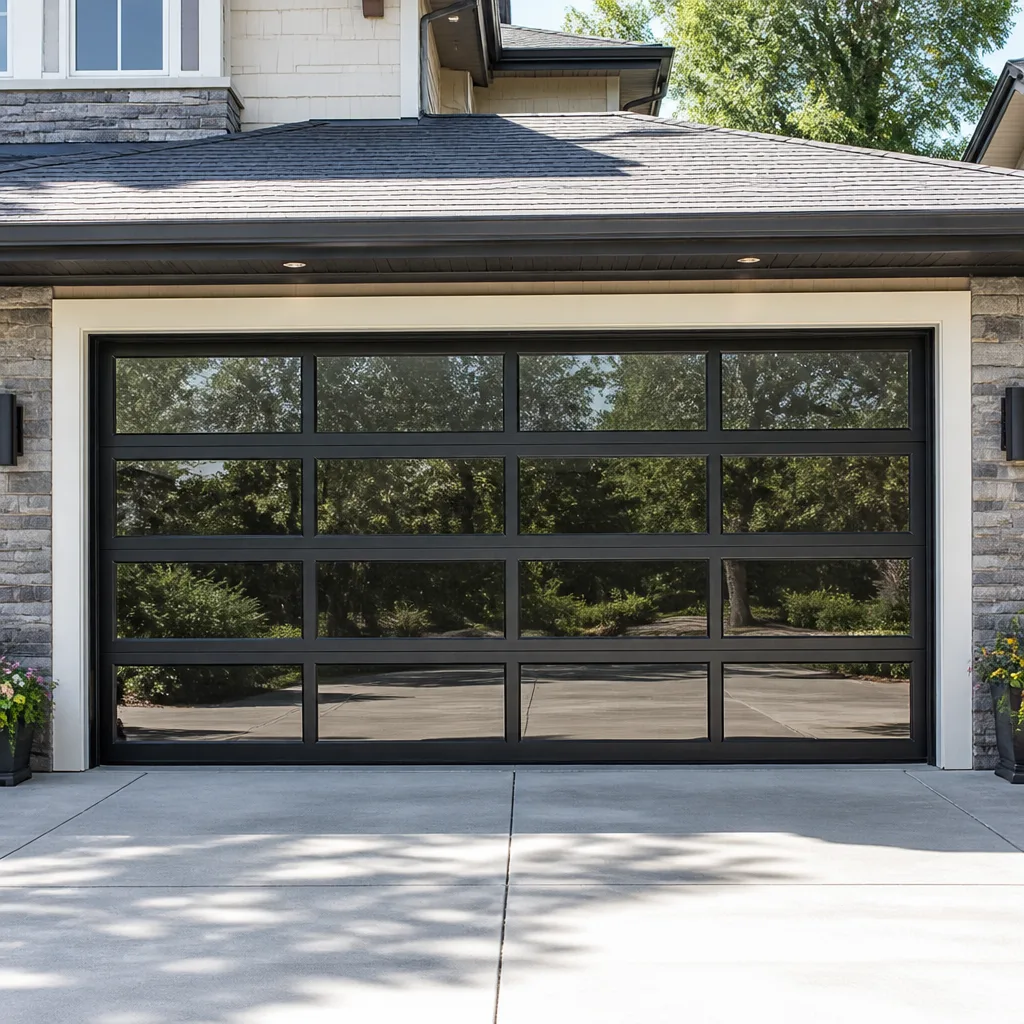 Full-view glass
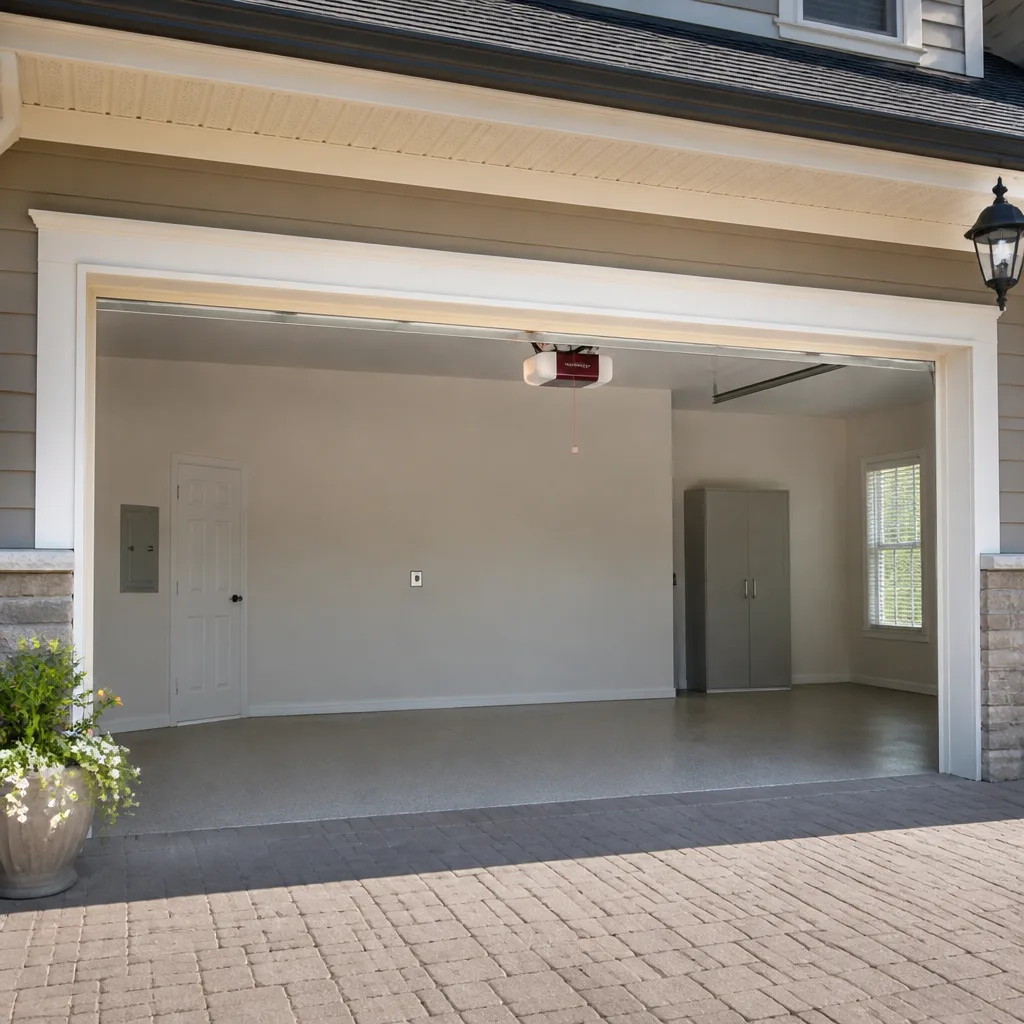 LiftMaster openers
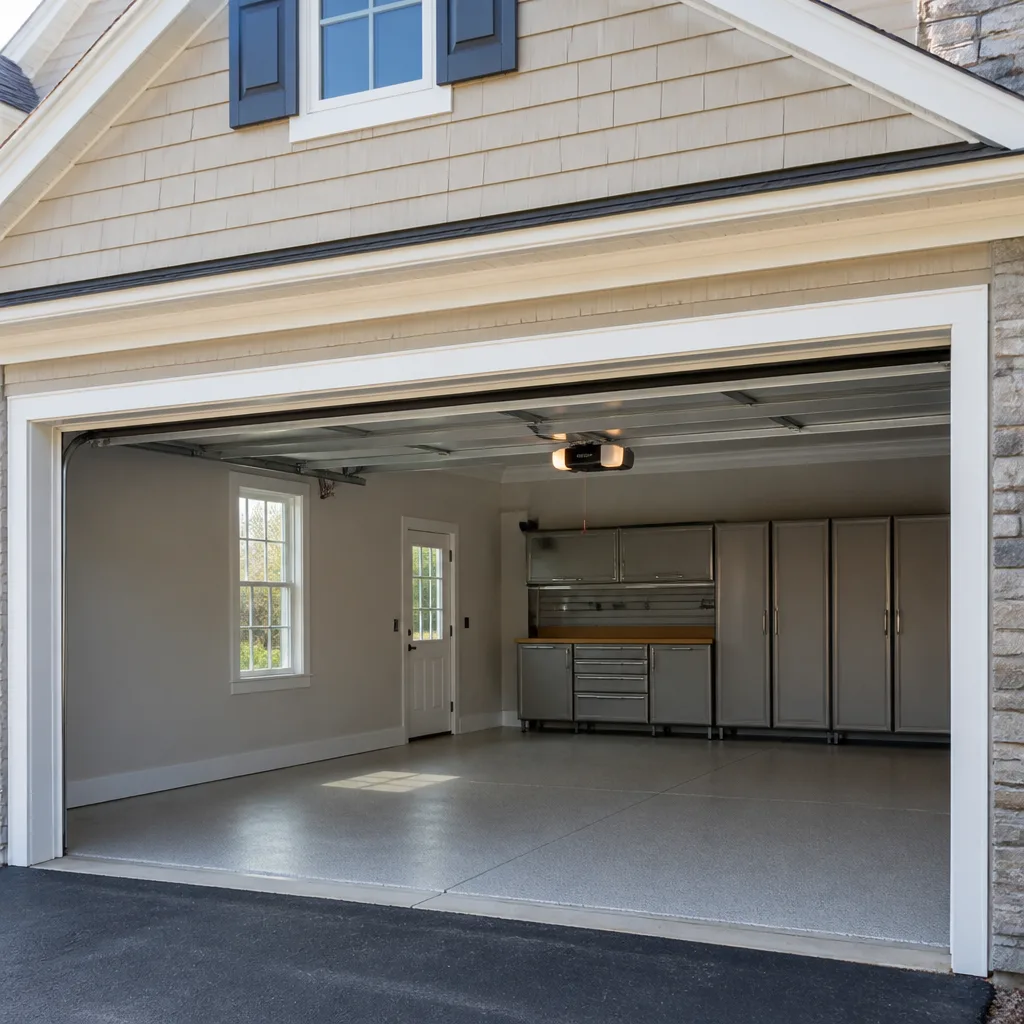 Chamberlain openers
Full 25-point door and opener safety check with every visit - springs, cables, rollers, tracks, and your LiftMaster or Chamberlain opener included
You get a price before we start. It does not change when the pro arrives.
Get your free estimateGarage Door Repair Maintenance Checklist for Chico Homeowners
Most garage door failures we’re called to in Chico aren’t sudden. They start months earlier as a dry hinge, a stiff roller, or a bottom seal that stopped sealing, and then one day the door comes off its track or the opener gives up. A checklist is only useful if it matches the wear patterns of the place you live. Valley heat, dry summers, and wet winters stress a garage door in ways a generic national list won’t catch. This guide is built around what actually fails in Chico, with the tasks, timing, and inspection points that prevent the most common service calls we see.
Quick Answer
A garage door in Chico needs lubrication every four to six months, a bottom-seal inspection before the rainy season, a spring and cable visual check monthly, and an auto-reverse test every month. The single most useful habit is matching your maintenance schedule to Chico’s seasons: heavier attention to seals and weatherstripping in fall, and to heat-stressed springs and opener strain in late summer.
Styles & brands we work with
- Raised-panel steel
- Carriage house
- Modern flush
- Full-view glass
- LiftMaster openers
- Chamberlain openers
Table of Contents
- Why Chico’s Climate Changes Your Maintenance Schedule
- The Lubrication Schedule That Matches Chico’s Temperature Swings
- Inspecting the Bottom Seal for Chico’s Dry-Season Grit
- Spring and Cable Inspection: What You Can Check Safely
- Weatherstripping Timing for the Rainy Season
- Opener Sensitivity and Auto-Reverse Testing
- Monthly and Quarterly Task Calendar
- Common Mistakes to Avoid
- When to Call a Professional
- Frequently Asked Questions
Why Chico’s Climate Changes Your Maintenance Schedule
Chico runs hot and dry through summer and cool and wet through winter. That range works on a garage door in two directions at once. In the hot months, steel tracks expand slightly and can bind, torsion springs cycle through more stress, and lubricants thin out and migrate away from where they’re needed. In the wet months, moisture works on seals, weatherstripping, and any exposed fasteners, and the wood or trim around the opening takes on water if a seal has failed.
That’s the opposite of what a nationally written maintenance guide assumes. A checklist built for a mild coastal climate tells you to “check twice a year” and never mentions grit or heat. In our experience working across Chico, the failures that bring the most calls are heat-driven and dust-driven, not cold-driven. Homes near the park and along the older tree-lined streets deal with more airborne debris in the dry season; newer subdivisions on the edges of town see more sun exposure on a south- or west-facing door.
The practical takeaway: split your maintenance into a warm-season track and a cool-season track. Warm-season work focuses on lubrication, spring stress, and opener load. Cool-season work focuses on seals, weatherstripping, and drainage around the opening. Doing both keeps the door ahead of the wear that Chico’s environment produces.
- Warm season (late spring through summer): lubricate moving parts, watch spring tension, listen for opener strain.
- Cool season (fall through early spring): check bottom seals and weatherstripping, clear debris, inspect track alignment after wet weather.
- Year-round: monthly auto-reverse test and monthly visual spring-and-cable check.
The Lubrication Schedule That Matches Chico’s Temperature Swings
The right lubricant for a Chico garage door changes with the season, and using the wrong one is a real cause of trouble. A summer-weight grease applied in January thickens in cool weather and can stiffen rollers and slow the door. A light oil applied in July can thin out and run off under summer heat, leaving hinges and rollers dry by August. The fix isn’t one product year-round; it’s matching the lubricant to the season and reapplying at the right interval.
- Every four to six months, apply a garage-door-specific lubricant to hinges, rollers, and the torsion spring coil. In Chico, aim for spring and fall as the two anchor points.
- Use a product rated for the season. A light lithium or silicone-based oil works well going into the cool months; a slightly heavier garage-door grease suits the hot months when thinner products migrate.
- Wipe before you spray. Chico’s dry season leaves dust on hinges and rollers. Lubricating over grit grinds it in rather than protecting the metal.
- Don’t over-lubricate. A thin film is enough. Excess oil attracts dust, and in a Chico summer that turns into a sticky paste that binds rollers.
- Don’t lubricate the tracks. Tracks should stay clean and dry. Oil on tracks collects grit and causes the rollers to slide instead of roll.
If your door has a Wayne Dalton or Raynor setup with a torsion spring, pay particular attention to the spring coil and the bearing plates. These are the points where a dry part under Chico’s summer heat starts to squeal, and a squeal is the early warning before a spring fails. Our technicians have up to 11 years of experience, and that’s the first thing they listen for on a maintenance call.
Inspecting the Bottom Seal for Chico’s Dry-Season Grit
The bottom seal is the most overlooked part of a garage door in Chico, and the dry season is hard on it. Dust, leaf litter, and grit blow against the seal through the summer, and the seal’s rubber or vinyl cracks and hardens under that abrasion plus UV. By the time the rains come, a cracked seal lets water in at the base of the door.
Here’s how to inspect it safely, standing on the ground with the door fully closed:
- Look along the seal’s full length for cracks, flat spots, or sections that have pulled away from the door panel.
- Check for daylight at the seal-to-floor contact line. If you can see light under the door, the seal is no longer sealing.
- Feel for hardening. A healthy seal flexes; a heat-and-grit-damaged one feels stiff or brittle.
- Clear debris from the threshold and the channel where the seal seats, especially after windy dry-season days.
- Look at the floor. A cracked or uneven slab means the seal can’t close uniformly, which is common in older Chico garages.
Replace a cracked bottom seal before the wet season, not after. It’s an inexpensive part and a straightforward job. If your seal is a C-channel or a nail-on style and you’re not sure which replacement fits your door, we can match it. A Craftsman or LiftMaster opener on the door doesn’t change the seal, but it does affect how evenly the door closes, so it’s worth mentioning when you call.
- Inspect the bottom seal monthly during the dry season.
- Replace any seal that shows cracks or lost contact with the floor.
- Clear grit from the threshold at least monthly.
Spring and Cable Inspection: What You Can Check Safely
Springs and cables are the dangerous part of a garage door, and no homeowner should ever adjust, remove, or repair them. A torsion spring or extension spring under tension stores enough energy to cause serious injury, and a cable can snap without warning. What you can do is inspect visually, from the ground, and know when to stop and call a trained professional.
Safe visual checks (door closed, standing on the ground):
- Look for a visible gap in a torsion spring coil. A gap means the spring has broken.
- Check that cables are taut and sitting in their drums, not frayed or kinked.
- Look for rust or heavy corrosion on spring coils and cable ends.
- Check that the door hangs level; an uneven door often signals a spring or cable problem.
What requires a technician, not a homeowner:
- Adjusting tension on a torsion or extension spring.
- Replacing a broken spring, even a single spring.
- Replacing or re-seating a cable or a cable drum.
- Any situation where the door won’t move smoothly by hand at the midpoint.
If a spring looks broken or the door won’t open evenly, stop and call. Don’t force the door; that’s how a track bends and a repair grows. For garage door repair in Chico, we can inspect the springs and cables and give you a clear picture of what’s worn and what’s fine.
Weatherstripping Timing for the Rainy Season
Weatherstripping around the door’s perimeter is what keeps Chico’s winter rain out of your garage, and the time to check it is early fall, before the first wet weather. A generic “check twice a year” instruction misses this. In Chico, the rainy season has a recognizable start, and weatherstripping that passed inspection in June can be cracked and pulling away by October.
The perimeter includes the side jambs, the top stop molding, and the bottom seal. Here’s what to look at in early fall:
- Side jambs: run your hand along both sides and check for gaps, cracking, or pieces that have pulled loose from the frame.
- Top stop: look for daylight or water staining on the header above the door, which points to a failing top seal.
- Corners: corners are where weatherstripping fails first, because that’s where water collects.
- Contact: close the door and check that the seal compresses against the frame along its whole length.
Fixing weatherstripping before the rains protects the garage’s interior, the door’s finish, and the surrounding wood trim. It also keeps the door operating smoothly, since moisture-swollen trim can pinch the door’s travel. If your door has a LiftMaster or Chamberlain opener, a slightly binding door puts strain on the opener motor, so a seal problem can quietly become an opener problem. That’s one reason we treat weatherstripping as a fall priority in Chico.
Opener Sensitivity and Auto-Reverse Testing
Many garages in Chico double as workshops, especially through the hotter months, and that makes the opener’s safety features matter more than a generic checklist lets on. A garage used as a workspace has tools, storage, and people moving through it more often. The auto-reverse system is what stops the door when it meets an obstruction, and it should be tested monthly.
How to test auto-reverse safely (on the ground, door open):
- Place a solid object, like a block of wood, flat on the floor in the door’s path.
- Close the door using the opener and watch what happens when it contacts the object.
- The door should reverse immediately and return to the open position. If it stops but doesn’t reverse, or pushes down hard, the sensitivity is set wrong.
- Test the photo-eye or safety sensor by passing an object through its beam while the door is closing. The door should reverse.
- Reset sensitivity per your opener’s manual, or call us if the door won’t reverse reliably.
In a hot Chico garage, lubricant thins and the door’s travel can change slightly, which can make a marginal auto-reverse setting fail. If your opener is a Genie, Craftsman, LiftMaster, or Chamberlain and the reverse test isn’t clean after adjustment, that’s a garage door opener repair worth doing before it becomes a safety issue.
- Test auto-reverse monthly.
- Test the safety sensor monthly.
- Never bypass or remove the safety sensor to make the door close.
Monthly and Quarterly Task Calendar
Here’s the schedule that matches a Chico garage door. Print it or save it to your phone.
Monthly:
- Visual check of springs and cables (from the ground, no tools).
- Auto-reverse and photo-eye test.
- Clear grit and debris from the bottom seal and threshold.
- Listen for new squeaks, grinding, or opener strain.
Every four to six months:
- Lubricate hinges, rollers, and the spring coil with the season-appropriate product.
- Wipe down and clean the tracks; don’t oil them.
- Check door balance by hand at the midpoint (with the opener disconnected or the door in manual mode per your manual).
Seasonal (spring and fall):
- Spring: full lubrication, spring stress and balance check before the hot months.
- Fall: weatherstripping, bottom seal, and drainage around the opening before the rains.
That’s a schedule that fits Chico’s environment, not a national template. It focuses on the three most common calls we get: broken springs, opener failures, and seal problems.
Common Mistakes to Avoid
- Oiling the tracks. Oil collects Chico’s dry-season dust and turns tracks into a grit trap that binds rollers. Clean them dry instead.
- Using the same grease year-round. A heavy grease in cool weather or a thin oil in summer heat both cause trouble. Match the lubricant to the season.
- Ignoring the bottom seal until after the rains. A cracked seal that lets in water in October was already failing in August. Check it before the wet season.
- Adjusting a spring yourself. Torsion and extension springs are under dangerous tension. This is the one thing on the checklist homeowners should never do.
- Bypassing the auto-reverse or safety sensor. If it fails the monthly test, get it repaired, not disabled.
- Skipping the fall weatherstripping check. A loose seal lets water damage trim and floor around the door before you notice.
- Forcing a door that’s binding. A stuck door often has a spring, cable, or track problem. Forcing it bends the track and turns a repair into a bigger job.
See the difference
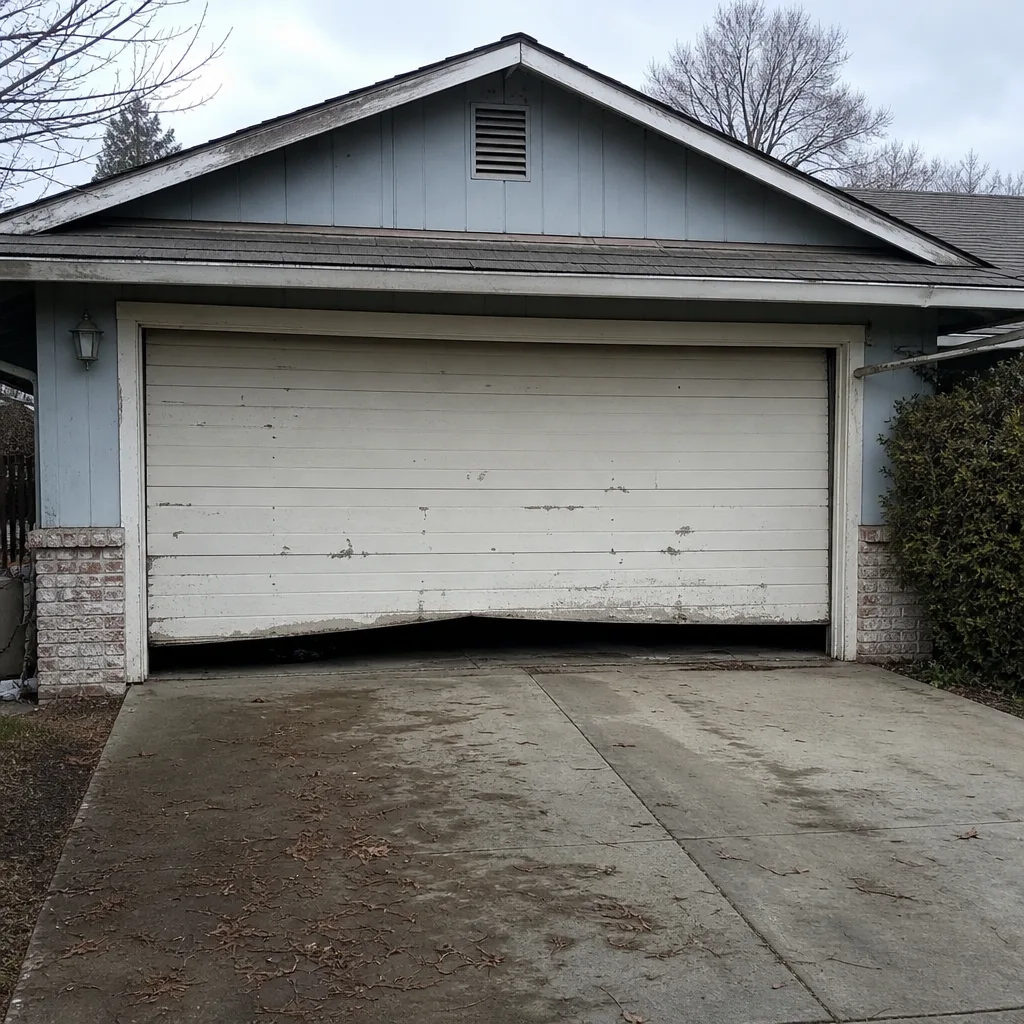 Before
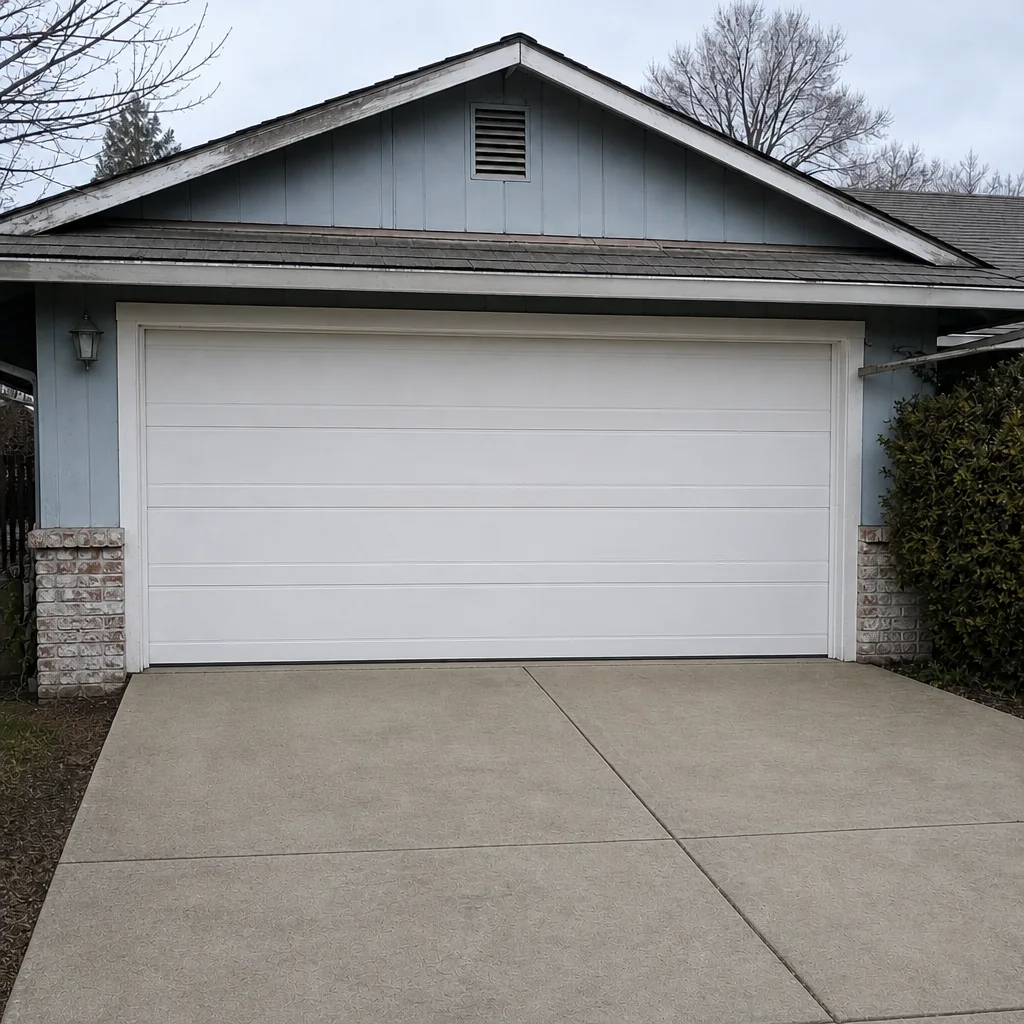 After
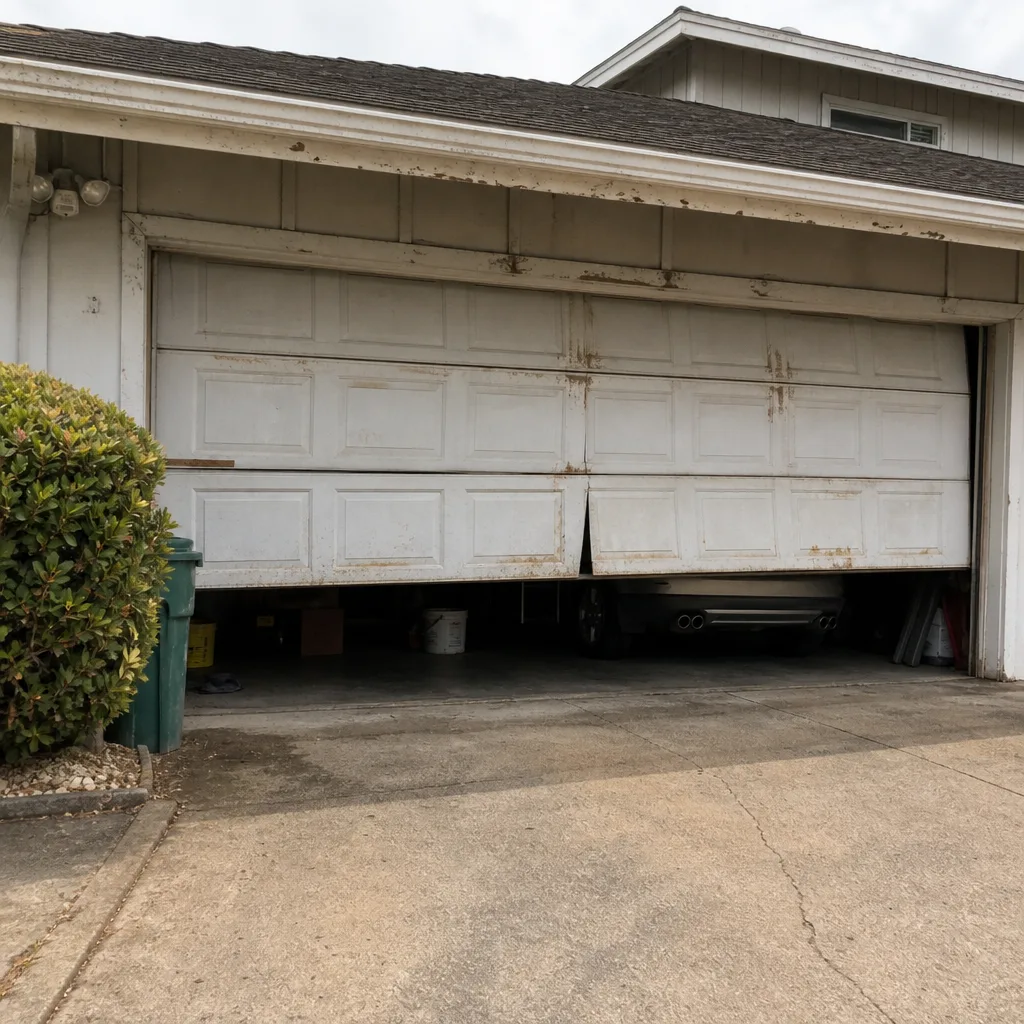 Before
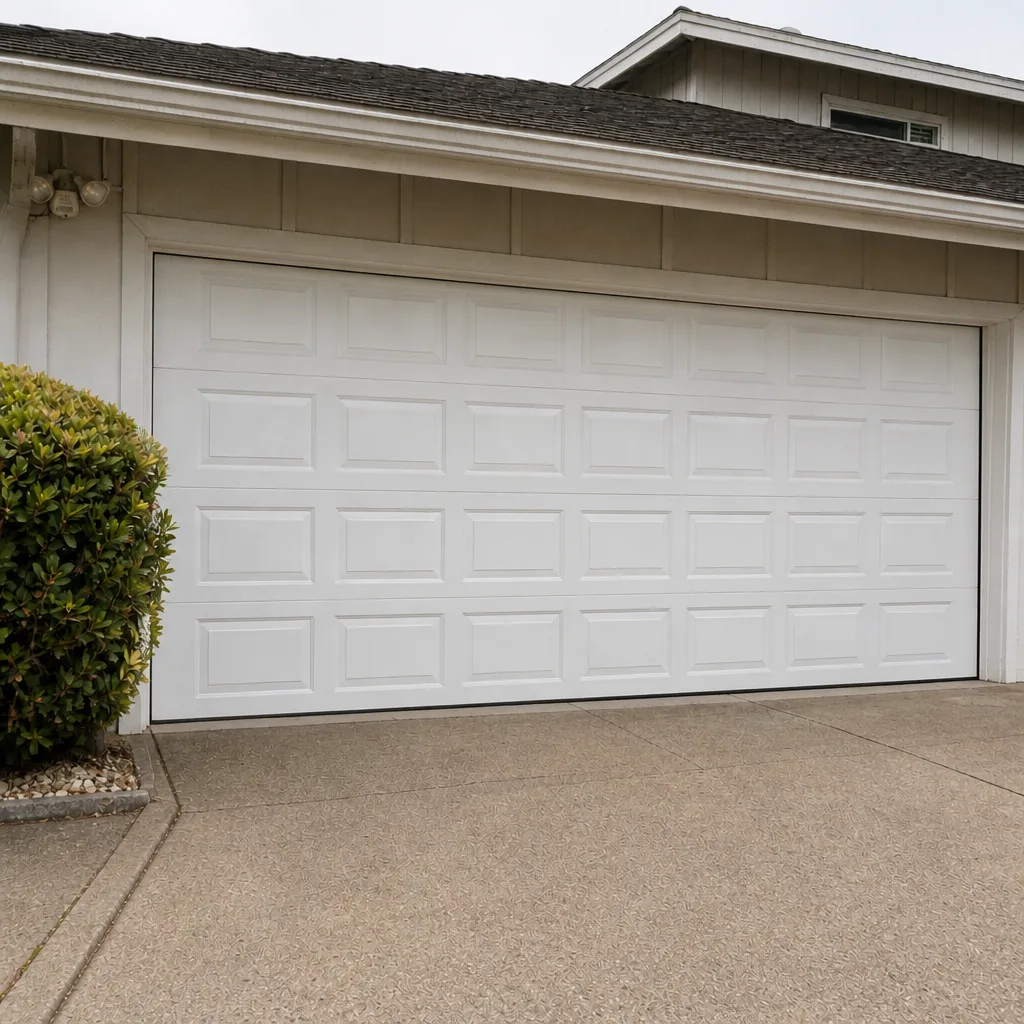 After
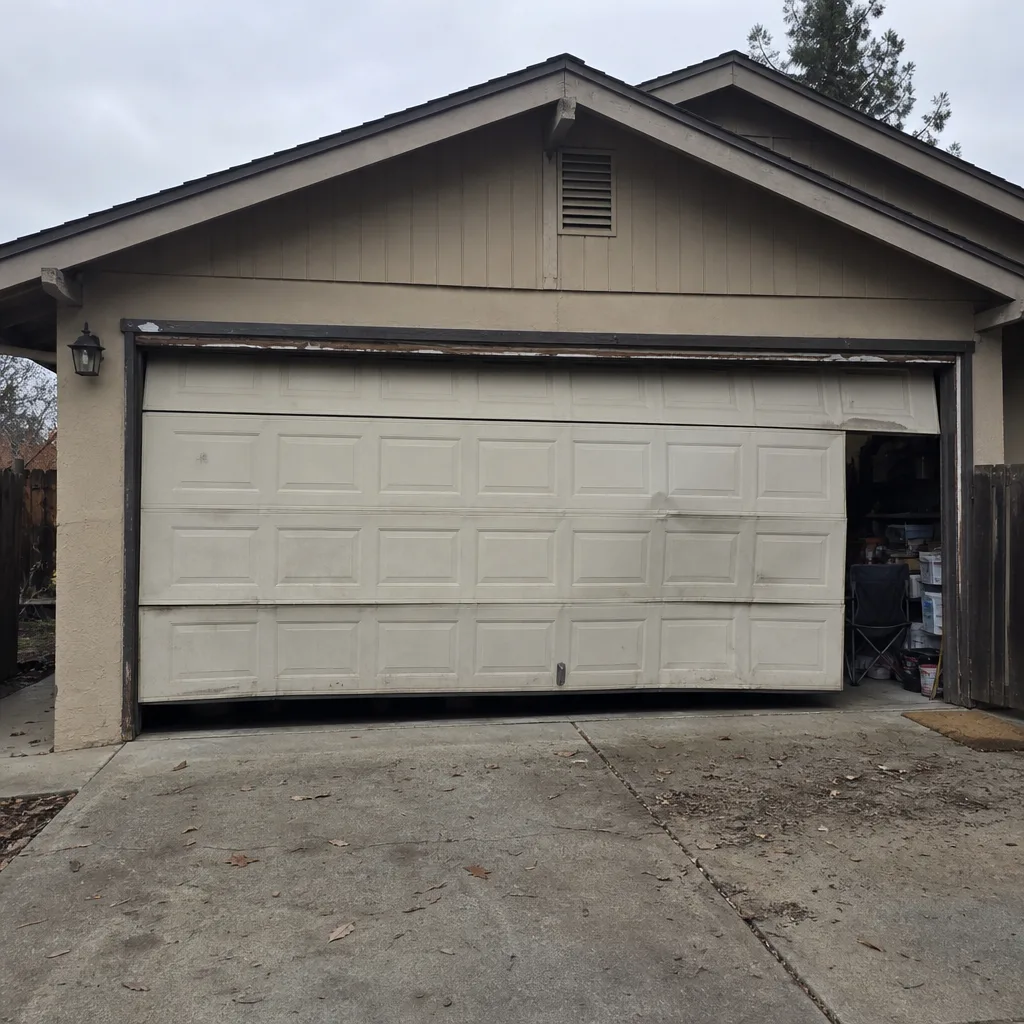 Before
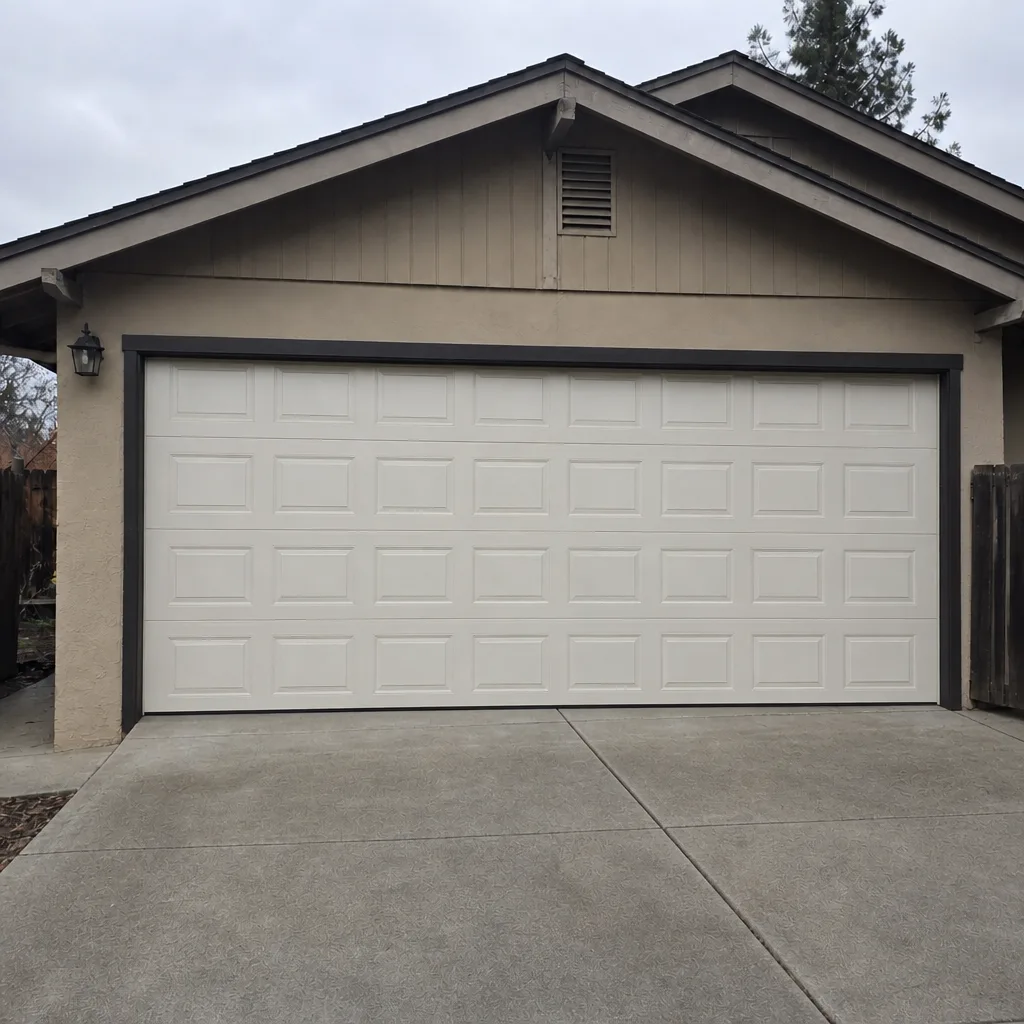 After
When to Call a Professional
Some jobs are check-and-clean. Others are dangerous or require the right part and proper installation. Call a trained technician when you see a broken spring (any gap in a coil), a frayed or kinked cable, a door that binds or won’t open evenly, an opener that fails the auto-reverse test after adjustment, or a track that’s bent or misaligned. Call us when you want a full inspection before the hot or wet season, or when you’re not sure whether the door needs repair or replacement. Garage Door Repair Chico offers free estimates in Chico. Call (833) 946-9124. We answer 24/7, and fast dispatch from 7am to 7pm, Sunday through Friday, is how we get to you. Visit our Garage Door Repair Chico page to see the full scope of what we handle. If you’re in a neighboring area, we serve the whole Chico area.
Frequently Asked Questions
Every four to six months, and match the lubricant to the season. A light oil going into the cool months and a garage-door grease through the hot months works best in Chico. Wipe the parts clean first so you’re not sealing in grit. If you want the job done once and inspected at the same time, call (833) 946-9124; estimates are free.
Broken springs, followed by opener failures and worn bottom seals. Springs take the most stress from Chico’s hot summers, and seals take the most from the dry season. Both are usually preventable with the schedule in this guide. When a repair is needed, call (833) 946-9124 and we’ll give you a clear, written estimate.
No. Torsion and extension springs are under extreme tension and cause serious injury if handled wrong. You can inspect them visually from the ground, but adjustment and replacement belong to a trained technician. Call (833) 946-9124 for a spring inspection; estimates are free.
Early fall, before the rainy season starts. That’s when failing seals and weatherstripping cause the most trouble. Check side jambs, the top stop, and the corners, and replace anything that no longer presses against the frame. If you’re not sure whether a seal needs replacing, call (833) 946-9124 for a free estimate.
Heat thins lubricant, adds stress to springs, and slightly changes track alignment, so a door that worked fine in spring can bind or strain by August. Lubricate for the warm season, check balance, and test the opener’s auto-reverse. If it’s still binding, call (833) 946-9124; estimates are free.
Yes, technicians are state-licensed, insured, and bonded, and our technicians have up to 11 years of experience. We work on LiftMaster, Chamberlain, Genie, Clopay, Amarr, Wayne Dalton, Craftsman, and Raynor. Call (833) 946-9124. We answer 24/7, with fast dispatch from 7am to 7pm.
The Bottom Line
A garage door lasts longer and fails less when maintenance matches the place you live. In Chico, that means lubrication scheduled to the temperature swing, a bottom seal checked for the dry-season grit, weatherstripping timed to the rainy season, and a monthly spring-and-cable visual check plus an auto-reverse test. None of it is complicated. The dangerous jobs stay with a trained technician. The rest is twenty minutes twice a year, done on the right schedule. If you’d rather have it checked once and know it’s right, Garage Door Repair Chico offers free estimates and single-call resolution for repair, opener repair, and installation. Call (833) 946-9124. We answer 24/7. Fast dispatch from 7am to 7pm, Sunday through Friday.
Written by the team at Garage Door Repair Chico.