
Last updated November 15, 2026
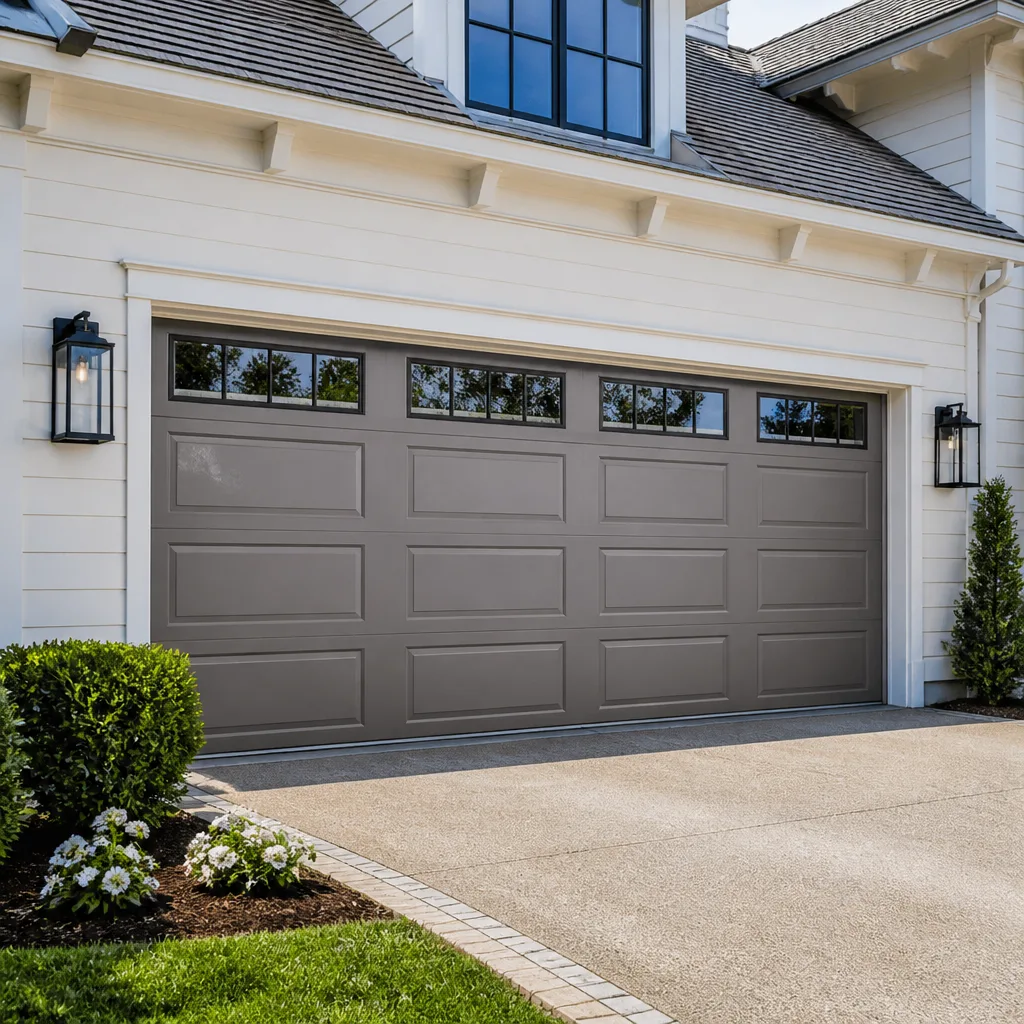 Raised-panel steel
 Carriage house
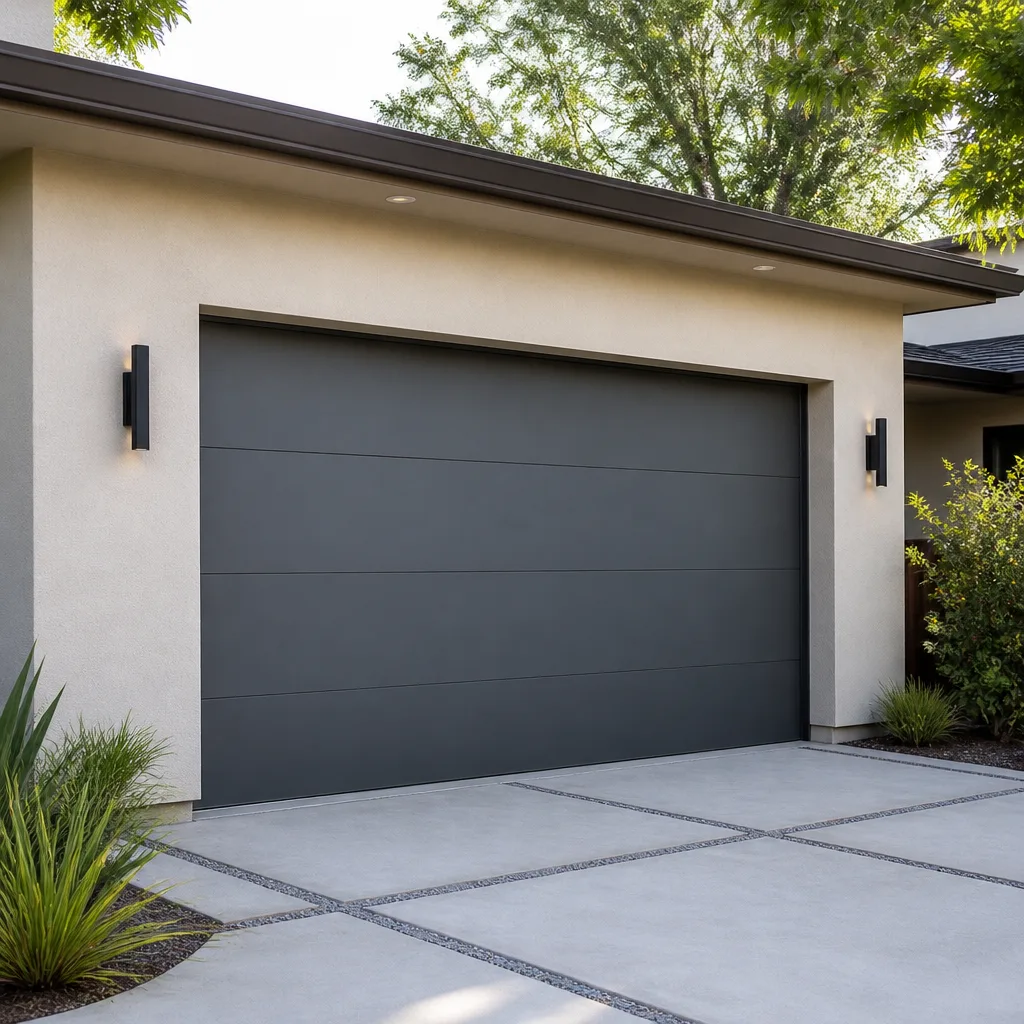 Modern flush
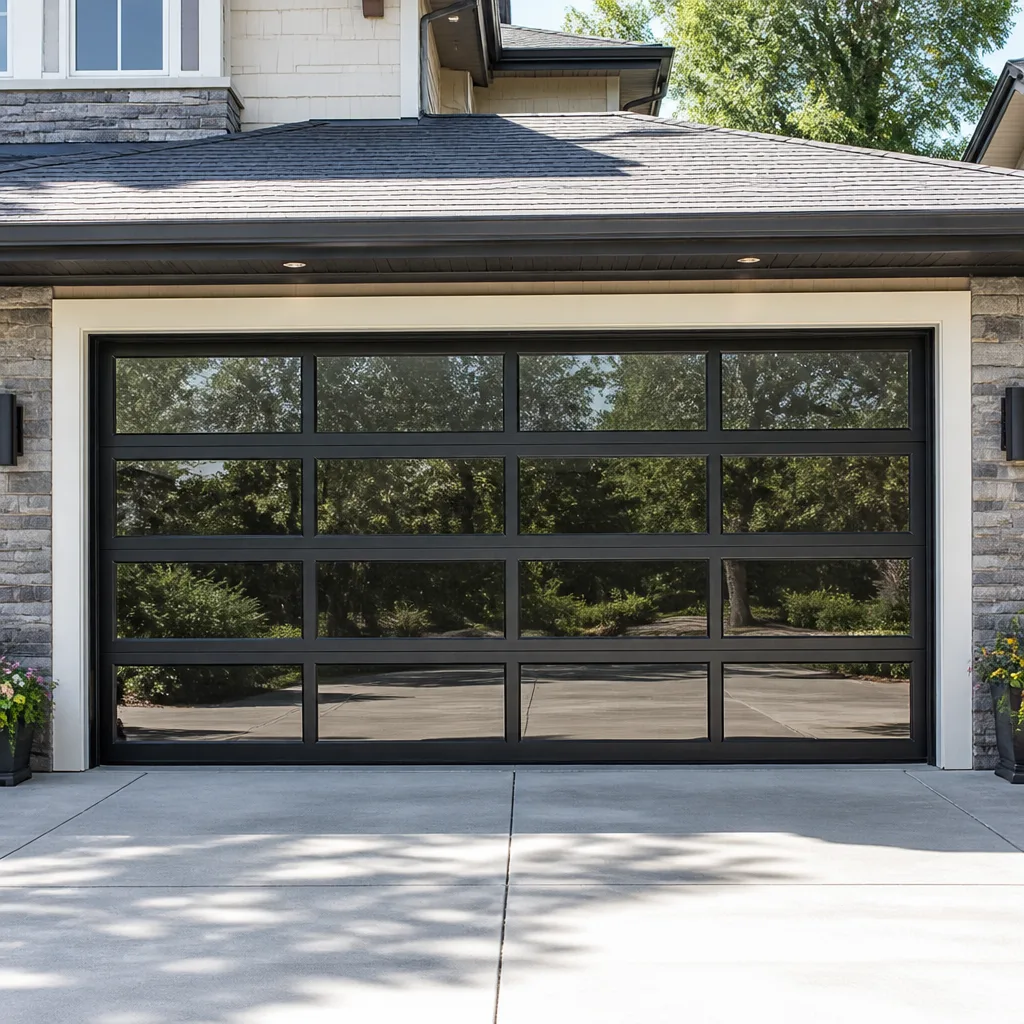 Full-view glass
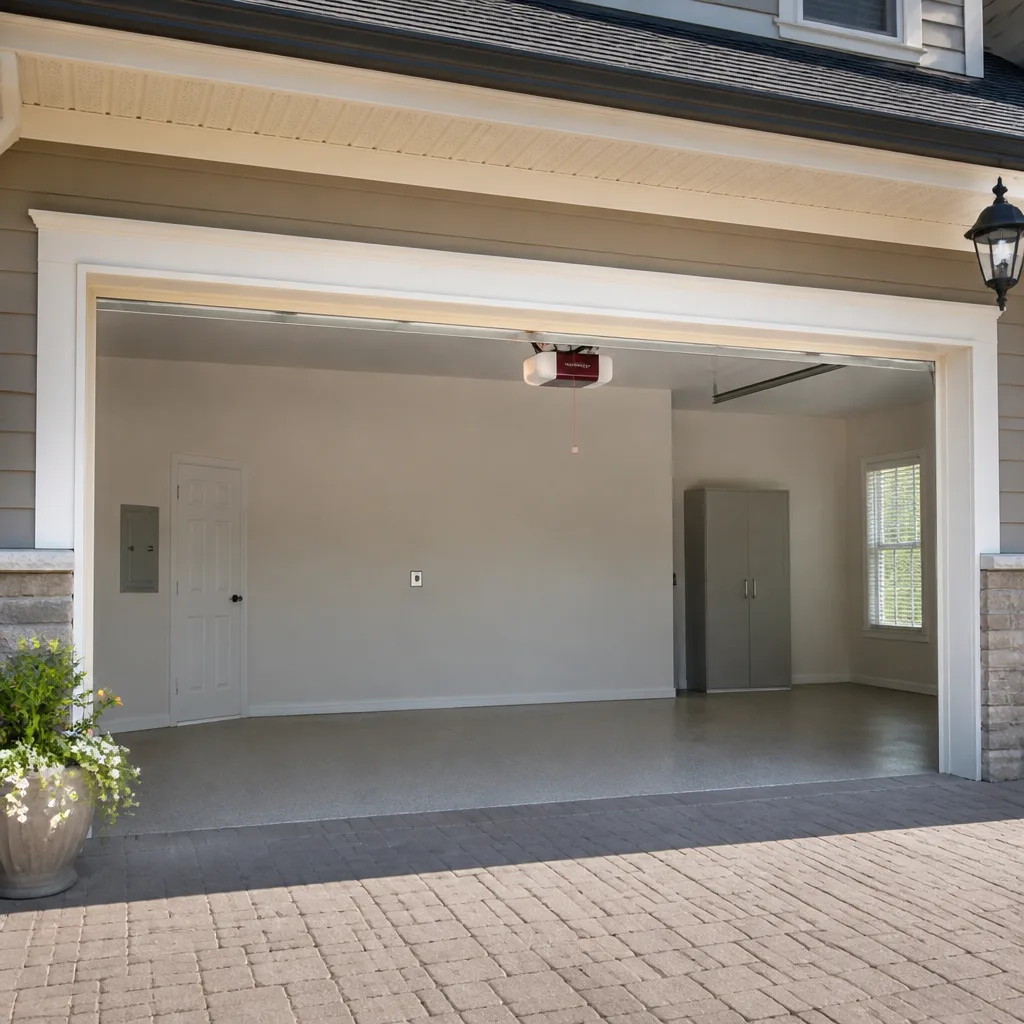 LiftMaster openers
 Chamberlain openers
Full 25-point door and opener safety check with every visit - springs, cables, rollers, tracks, and your LiftMaster or Chamberlain opener included
You get a price before we start. It does not change when the pro arrives.
Get your free estimateGarage Door Repair Maintenance Schedule: What to Do and When
Lubricating your tracks is one of the most repeated pieces of garage door advice online, and it’s wrong. Tracks should stay dry. Oil and grease on a track collect grit, and that grit causes the binding people are trying to prevent in the first place. A garage door doesn’t need monthly attention. It needs the right attention at the right intervals, timed to how each part actually wears. What follows is a schedule built around component wear cycles rather than a generic checklist, with the seasonal timing that suits Chico’s hot, dry summers and mild winters.
Quick Answer
A garage door needs a quick homeowner check once a month, lubrication and hardware tightening twice a year, and one professional inspection a year. Springs, cables and rollers are inspected rather than serviced, and they’re replaced on visible wear signs. In Chico, the heaviest maintenance months are late spring, before the summer heat, and late fall, after the dry season has worked on seals and hardware.
Styles & brands we work with
- Raised-panel steel
- Carriage house
- Modern flush
- Full-view glass
- LiftMaster openers
- Chamberlain openers
Table of Contents
- Month-by-Month Maintenance Calendar for Chico
- What to Lubricate and What to Leave Alone
- The Spring Balance Test You Can Do Yourself
- Wear Indicators That Mean Replacement Is 60 to 90 Days Out
- Why an Annual Professional Inspection Catches What Checklists Can’t
- Opener Maintenance: Drive Systems and Safety Reversal
- Seals, Weatherstripping and the Chico Summer
- Common Mistakes to Avoid
- When to Call a Professional
Month-by-Month Maintenance Calendar for Chico
Most maintenance guides give you one undated list and leave you to guess when to start. A calendar works better in Chico because the seasons here push different parts of the door. Summer heat is the hardest thing a garage door faces locally: the door faces west or south on many Chico lots, and that afternoon sun bakes metal panels and dries out rubber seals. Winter is mild, but the wet months still test the bottom seal and the hardware. Here’s how the year breaks down.
- January and February: Check the bottom seal after rain. Look for water tracking under the door, and tighten any loose hinges you find.
- March: Do the spring balance test (covered below) and listen for new noises on open and close.
- April: Pre-summer heat prep. Lubricate rollers, hinges and spring coils, confirm the opener’s safety reversal works, and check the door’s alignment before the hot months.
- May and June: Watch for seal shrinkage as temperatures climb. Inspect rollers for flat spots, since dry heat speeds up roller wear.
- July and August: A visual check only. Look at cables for fraying and listen for grinding on the way up.
- September: Repeat the safety reversal test and clear debris from the tracks by hand, never with lubricant.
- October and November: Post-summer hardware pass. Tighten bolts, check the spring balance again, and look at the seal for cracks from a summer of sun.
- December: Confirm the door closes flush and the photo-eye safety sensors are aligned.
If you’d rather not track that yourself, a single yearly inspection covers the heavy items, and the monthly checks take about five minutes each. When you need garage door repair in Chico, the technician should already know how your door is set up before arriving, which is why we ask for the brand when you call.
What to Lubricate and What to Leave Alone
Lubrication is the part of garage door maintenance most people get partly right and partly backwards. The correct product is a light spray lubricant made for garage door hardware, not motor oil, not cooking spray, and not WD-40 as a replacement for a proper lubricant. The rule of thumb: moving metal that slides or pivots gets lubricant; anything that a roller travels along, and anything that a cable runs through, stays dry.
Lubricate these
- Rollers: A quick spray on the roller stem and bearing, not on the wheel surface. Sealed bearings need nothing at all.
- Hinges: A small shot at each hinge pivot. Wipe the excess so dust doesn’t stick.
- Spring coils: A light coat of lubricant along the coil reduces friction and noise. This is lubrication only. Never unwind, adjust or attempt to remove a spring yourself. Torsion springs are under extreme tension and can cause severe injury. Leave spring work to a trained technician.
- Bearings and the center bracket: A drop where the shaft passes through.
- Opener rail and chain: Follow the opener manual. Chain drive units from LiftMaster and Chamberlain usually want a specific lubricant, and too much is as bad as none.
Never lubricate these
- Tracks: Leave them dry. Grit sticks to grease and turns into a grinding paste that wears rollers.
- Cables: Oil attracts dust and hides fraying you need to see. Cables should be inspected, not oiled.
- The photo-eye lens: Wipe with a dry cloth only.
Cables are under serious tension and can snap without warning. Treat any sign of damage as a reason to stop using the door and call a professional rather than a job to handle on your own.
The Spring Balance Test You Can Do Yourself
The spring balance test tells you how much lift the springs are still giving the door, and it’s one of the few spring-related checks a homeowner can do without touching the spring. Springs carry the full weight of the door. When they lose tension, the opener takes on work it wasn’t built for, and the door gets heavy and slow. Testing the door’s weight by hand is safe because you’re pulling the door, not the spring.
- Close the door and disconnect the opener using the manual release cord. The door should be fully closed.
- Lift the door about halfway by hand, to roughly waist height.
- Let go. The door should hold roughly where you left it. A door that drops fast, or is very hard to lift, needs a technician.
- If the door holds, reattach the opener and open it fully. It should open smoothly and quietly. Recent slow or loud operation is a sign of spring wear.
What the result tells you: a door that drops quickly or is stiff to lift usually means the springs have lost their lift, and a technician needs to measure the coils. A door that holds but sounds rough may only need lubrication. If the door fails the balance test, stop using the opener. Running a heavy door on a tired spring forces the opener motor and the door’s cables past their limits. If your door fails this test in Chico, call us before the next use.
Spring lifespans depend on how much the door is used and how heavy it is. Standard-duty springs on a door that opens several times a day have a shorter life than heavy-duty springs. When a spring breaks, the door usually won’t open. The safe move is to leave it closed until a technician can replace the pair. Springs are usually matched and replaced together, and the second one is normally as worn as the first.
Wear Indicators That Mean Replacement Is 60 to 90 Days Out
The most useful thing a homeowner can learn is what partial wear looks like, because that’s the point where a scheduled replacement is easy and a surprise failure isn’t. Cables, rollers and bottom seals all give warning. None of them fail instantly. Here are the signs that mean you should book work within a couple of months.
- Cables: Small frays or stray wires on the side of the cable, or a cable that looks like it’s developing a slightly uneven lay. Frayed cables are a stop signal. Stop using the door and call.
- Rollers: Flat spots on the roller wheel, visible metal showing through the nylon, or grinding on one section of track. A flat roller usually means the others aren’t far behind.
- Bottom seal: Cracking, a seal that has shrunk away from the door edges, or a gap you can see daylight through when the door is closed. In Chico’s summer heat, a rubber seal can dry out and split faster than in cooler climates.
- Panels: Light denting or a panel that’s starting to bow. Bowing usually reflects a hinge problem.
- Hardware: Bracket bolts that keep loosening even after you tighten them. That can mean the wood behind them is holding less tension.
Those are the 60- to 90-day items. They’re not emergencies. They’re the jobs to schedule before they turn into one, and a call to book an estimate is the right next step. Doors from Clopay and Amarr usually keep their panels well, but the seals and rollers are consumables, no matter how good the door is.
Why an Annual Professional Inspection Catches What Checklists Can’t
Most homeowner maintenance guides are good at showing you what to look at and useless at showing you how to read it. That’s the gap a yearly professional inspection fills. A technician isn’t looking for the same things you are. A technician is looking for the patterns that predict failure, and many of those signals don’t look like problems to anyone who hasn’t seen a few hundred doors.
What a technician is typically checking that isn’t visible to you:
- The amount of lift still in the spring, measured against the door’s weight, not just “does it feel heavy”.
- Cable wear under the drum, where the cable winds and unwinds out of sight.
- Panel hinge alignment across the whole door, which shows up in how the door tracks at the seams rather than the flat face.
- Whether the opener’s force settings are correct for the door, which isn’t something your manual covers once the door’s weight has changed.
- Track plumb, because a slightly out-of-line track wears every roller on that side.
- The safety reversal sensitivity, which drifts and can fail a standard test.
These are the checks that stop a $400 repair from becoming a full replacement. In our experience, a large share of the doors we’re called to for a “sudden” failure have been showing one or two of these signs for months. For homeowners in Chico, a yearly inspection is worth scheduling before the summer. Our technicians have up to 11 years of experience, and we work with LiftMaster, Chamberlain, Genie, Clopay, Amarr, Wayne Dalton, Craftsman and Raynor products, so the inspection covers the door and the opener in one visit.
Opener Maintenance: Drive Systems and Safety Reversal
Opener maintenance comes down to two jobs: matching the opener’s settings to the door’s real weight, and confirming the safety reversal works every month. The first part is mostly a professional’s job. The second part takes about thirty seconds and is the single most important test on the door.
How to test safety reversal
- Open the door, then place a piece of wood or a low box on the ground in the door’s path.
- Close the door using the opener. When it meets the object, the door should reverse and go back up.
- If it doesn’t reverse, or it reverses only after pressure, stop using the opener until a technician checks it. The force settings or the travel limits need adjusting.
Belt-drive openers from Genie and Chamberlain run quiet and need little beyond a rail and chain check. A chain drive usually wants lubricant on the chain and a listen for slack. Screw-drive units are the least fussy. Whatever the drive, the opener shouldn’t be doing the lifting. If the door feels heavy when you pull it by hand, the springs are the issue, not the opener, and replacing the opener first would waste money. That’s the case where repair should come before replacement, and we say so when it’s true.
Seals, Weatherstripping and the Chico Summer
Seals are the most neglected part of a garage door and the part most likely to need attention in Chico. Summer heat and direct sun dry out the rubber bottom seal and the weatherstripping around the frame. Winter rain then finds the gap. A seal that’s gone brittle lets in wind, dust and water, and in summer it can let in hot air and a lot of insects.
- Check the bottom seal with the door closed: if you can see light under the door, or the seal is cracked or compressed flat, it needs replacing.
- Check the side and top weatherstripping for splits and shrinkage, especially on a west-facing door.
- Clean the seal with a damp cloth after summer to keep dust and grit from wearing it through.
- Watch the threshold and the concrete apron. A cracked apron under the door lets water in during the wet months, and a seal alone won’t stop that.
Seals are a low-cost part and a good reason to include them in an annual inspection rather than waiting for a visible leak. A warped wood door on an older Chico home may need the seal and the bottom section checked together, since a small bow changes how well the seal can close.
Common Mistakes to Avoid
- Lubricating the tracks. This is the number one mistake. Greasy tracks trap grit and cause the binding people are trying to fix. Keep them dry and wipe them clean with a cloth.
- Using the wrong lubricant. Motor oil and cooking spray attract dirt and gum up rollers. Use a garage door lubricant and use it sparingly.
- Ignoring a heavy door. A door that’s harder to lift by hand is a sign the springs are wearing. Running the opener anyway forces the motor and cables, and in Chico’s summer heat a motor pushed hard runs hotter.
- Adjusting the springs yourself. Torsion springs are under extreme tension and can injure or kill someone who unwinds them without the right tools. This is the one job to leave to a technician every time.
- Forgetting the safety reversal test. Skipping it is the most common gap in a homeowner’s routine, and it’s the one test that matters most for safety.
- Waiting for a full failure. The wear signs on cables, rollers and seals show up 60 to 90 days before failure. Scheduling at the warning stage is cheaper and simpler than a door that won’t open.
- Treating a brand mismatch as a reason to replace. A Genie opener on a Clopay door is fine. The right part and the right settings matter more than the brand pairing.
When to Call a Professional
Some jobs on a garage door belong with a technician, and it’s worth being clear about which ones. A snapped or noisy spring, a frayed or broken cable, a door that won’t stay up on the balance test, a track that’s been hit and bent, a door that comes off its track, or an opener that reverses on its own are all reasons to stop using the door and call. A hinge that needs tightening or a seal you want replaced can wait a few days. A heavy door, a grinding track or a safety reversal that fails should not. You can also check garage door opener repair for the opener-specific side of maintenance before it becomes a full replacement. Garage Door Repair Chico offers free estimates in Chico. Call (833) 946-9124.
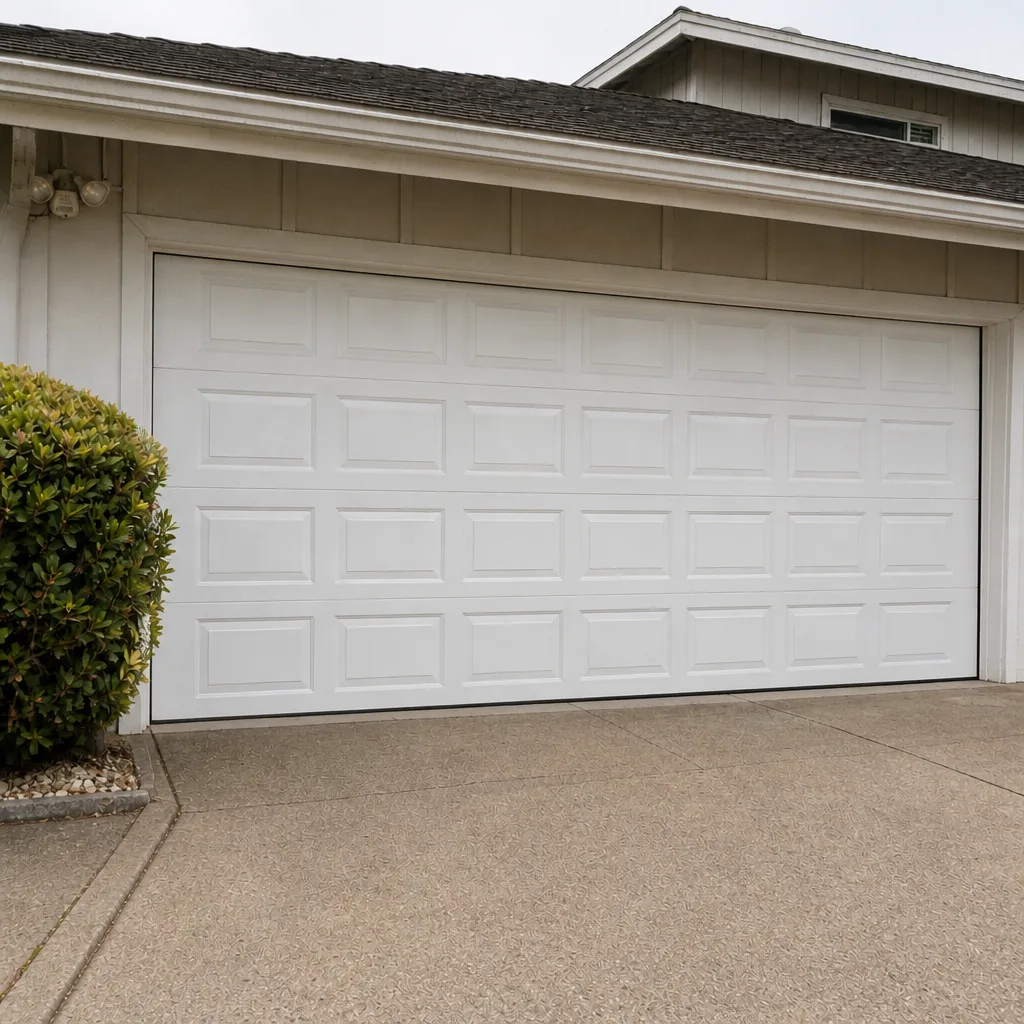
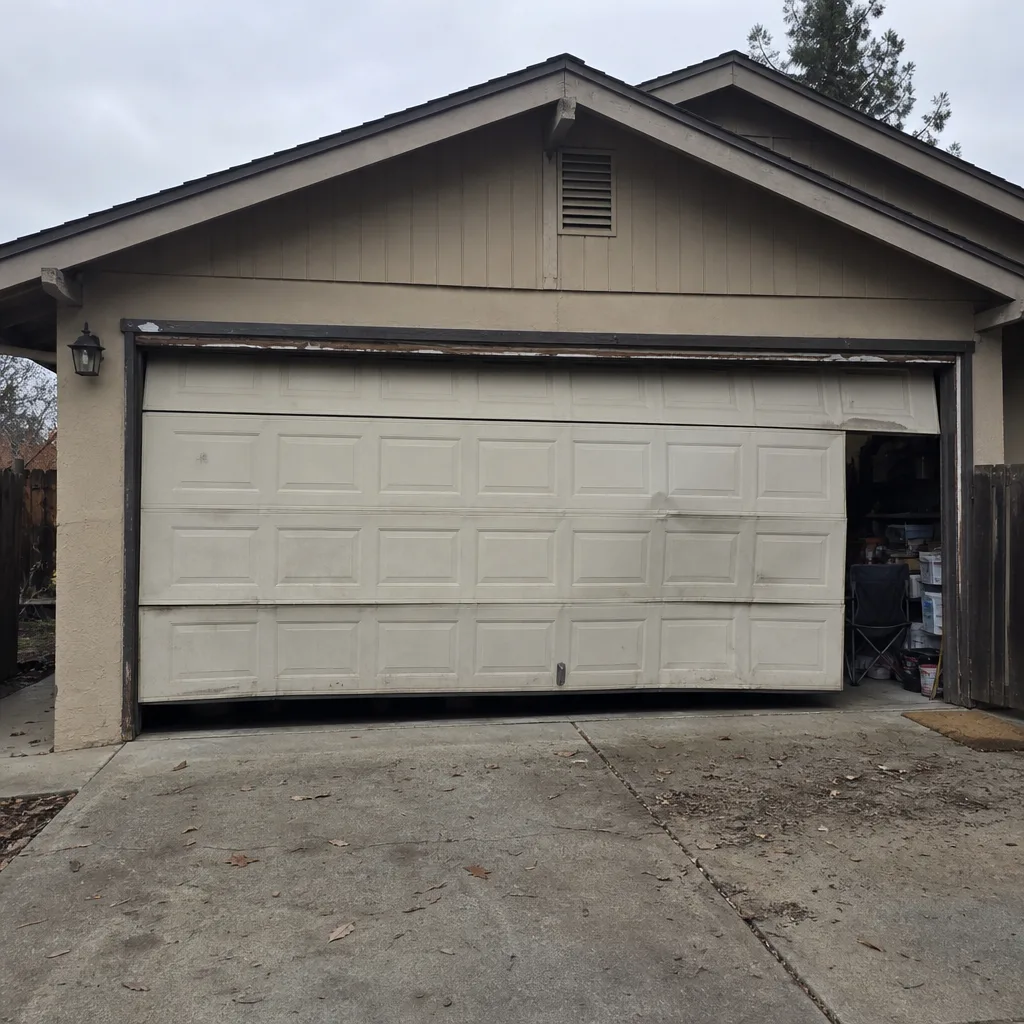
See the difference
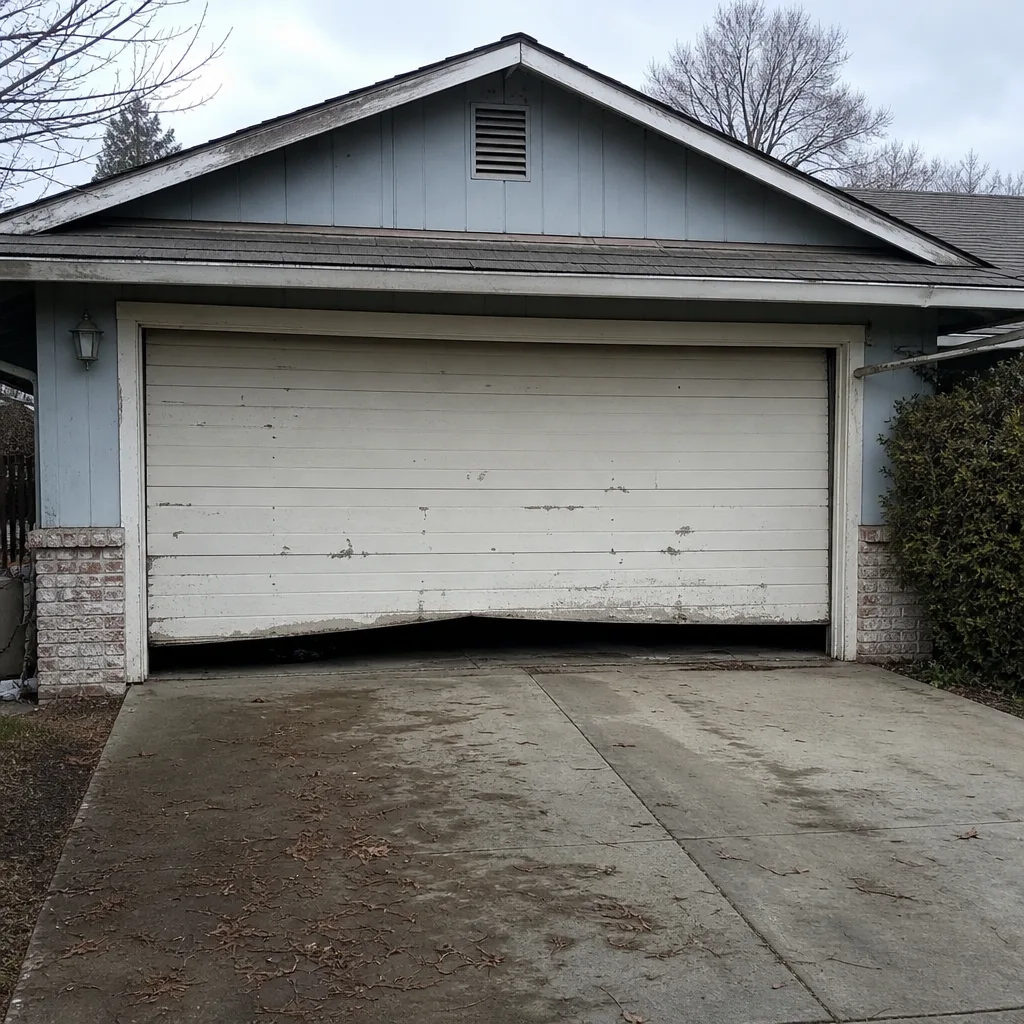 Before
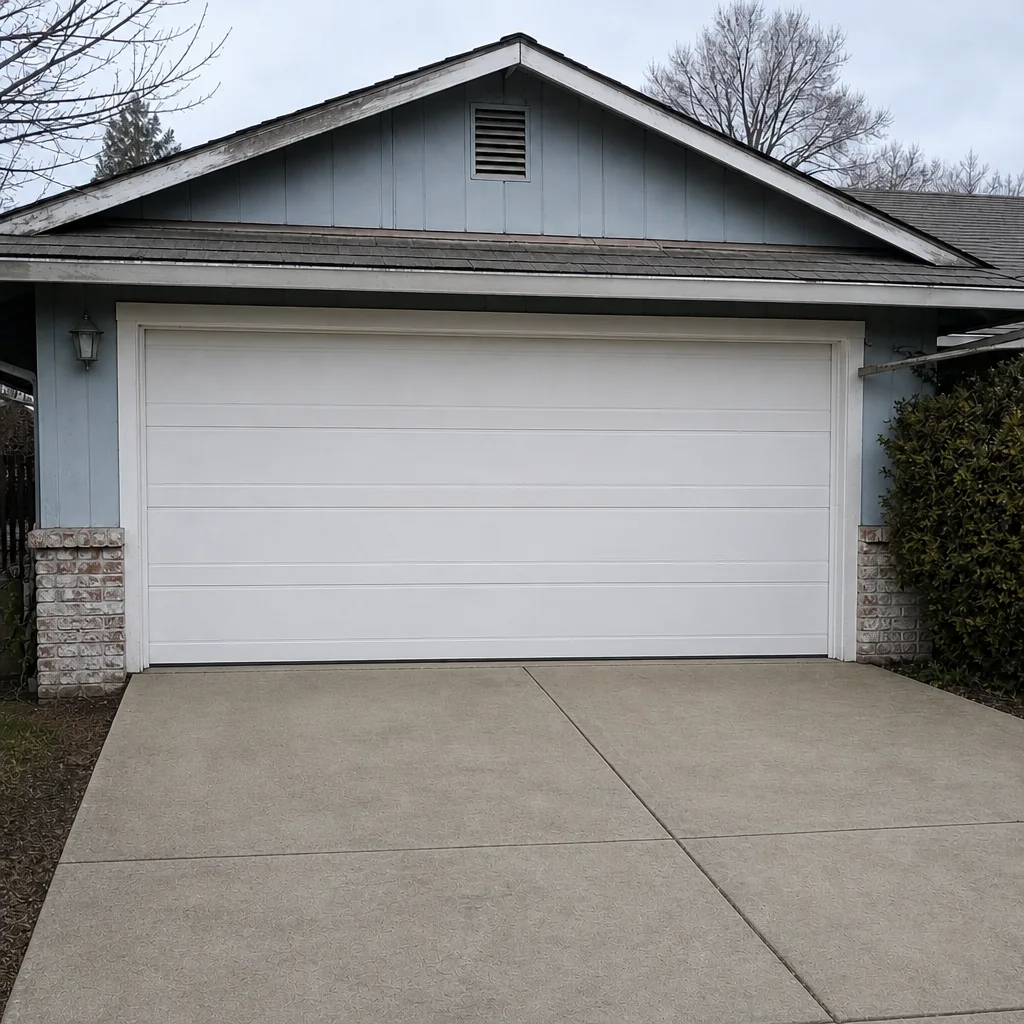 After
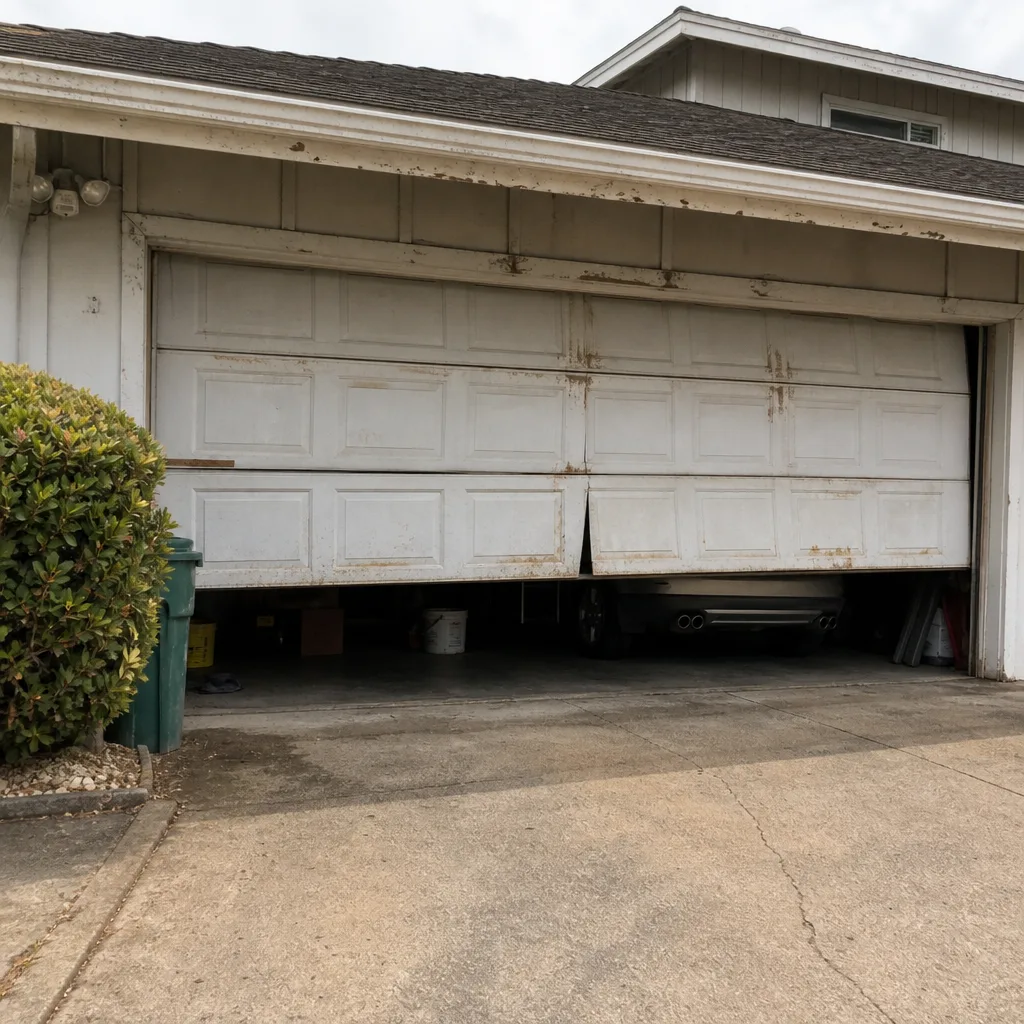 Before
 After
 Before
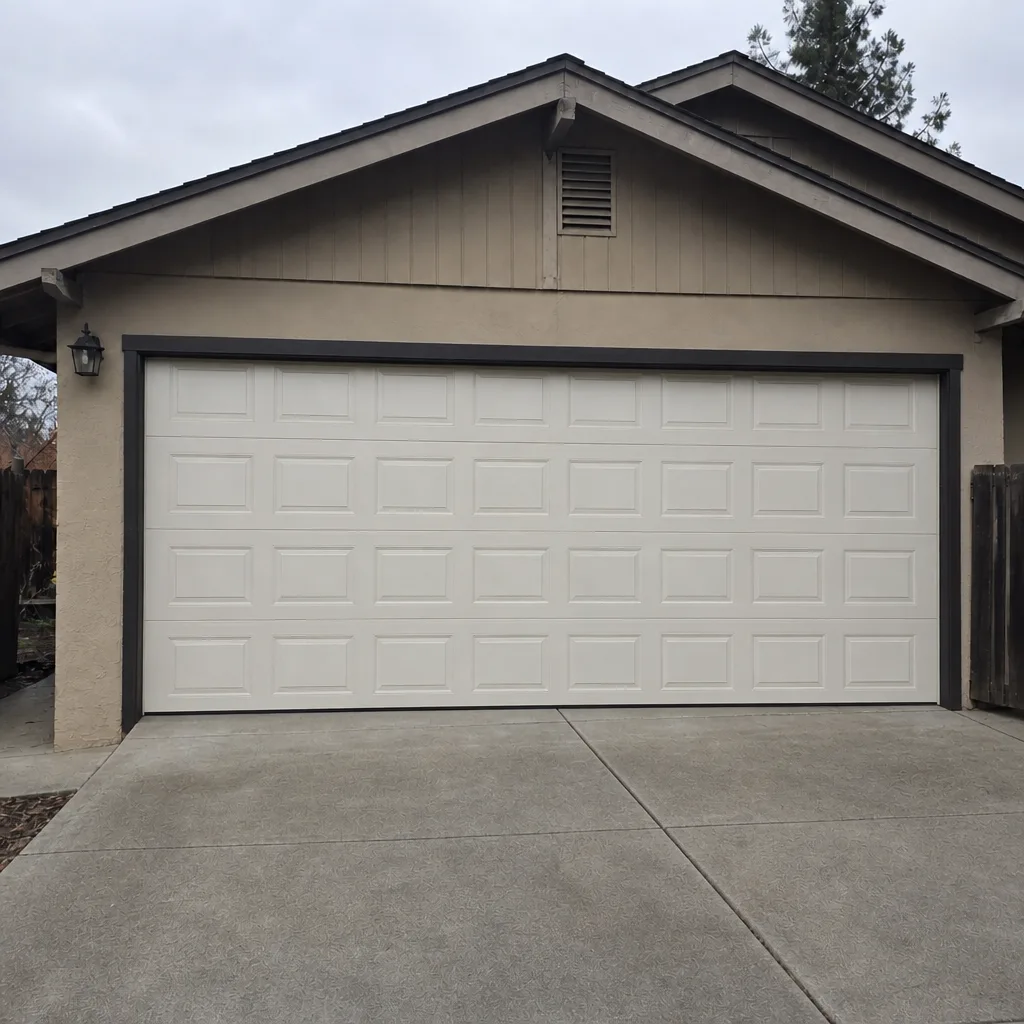 After
Frequently Asked Questions
Once a year for a professional inspection, with a homeowner check monthly and lubrication twice a year. In Chico, schedule the professional inspection in spring, before the hot months put the most stress on seals and hardware.
No. Tracks should stay dry. Lubricant on a track attracts dust and grit and causes binding, which is the opposite of what most online advice claims. Lubricate the rollers, hinges and spring coils instead.
You can test the door’s balance by disconnecting the opener and lifting the door halfway. If it holds, the springs are working. If it drops fast, the springs need a technician, and you should stop using the opener until then.
Fraying along the side of the cable, stray wires, or an uneven lay in the cable are the signs. A frayed cable is a stop-using-it signal, not a wait-and-see item. Call a technician.
Spring life depends on the door’s weight and daily use, not on the calendar. A door that opens several times a day wears springs faster than one used once a day. Use the balance test every few months to catch loss of lift early.
Not always. A safety reversal test and a chain check you can do yourself. Force settings, travel limits and a motor or logic board issue are a technician’s job, and it’s a repair call rather than a reason to replace the opener.
The Bottom Line
A garage door doesn’t need constant attention. It needs the right tasks at the right times. A five-minute monthly look, lubrication twice a year, a balance test every few months, and one professional inspection a year covers nearly everything. Keep the tracks dry, watch for the wear signs on cables and rollers, and take spring work to a technician. That schedule keeps the door working in Chico heat and wet winters, and it keeps most repair calls to scheduled ones rather than emergencies. For a free estimate and a clear look at your door, call Garage Door Repair Chico.
Contact Us
If your door is due for a service or you’ve spotted one of the wear signs in this guide, call (833) 946-9124 for a free estimate. We answer 24/7. Fast dispatch from 7am to 7pm, Sunday through Friday. We work on LiftMaster, Chamberlain, Genie, Clopay, Amarr, Wayne Dalton, Craftsman and Raynor products, and our technicians have up to 11 years of experience. Visit Garage Door Repair Chico to get started.
Written by the team at Garage Door Repair Chico.